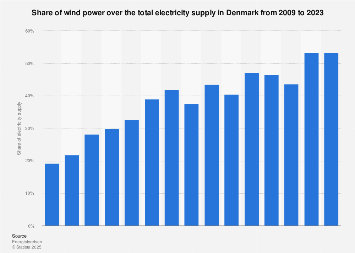
Denmark’s electricity grid in 2023 was significantly powered by wind energy, with wind turbines fulfilling a substantial portion of the nation’s total electricity consumption. While precise figures for 2023 remain under embargo for broader release, preliminary data suggests a remarkable coverage rate, potentially exceeding the already impressive levels seen in recent years. The period between 2009 and 2023 has witnessed a consistent upward trajectory in wind power’s contribution, culminating in record-breaking coverage shares in both 2022 and 2023. This sustained growth is underpinned by significant increases in wind power generation, with the production volume between 2021 and 2022 experiencing a notable surge of over 20 percent, indicating a robust expansion of wind energy capacity and efficiency.
The nation’s impressive wind power performance is a testament to strategic investments in both onshore and offshore wind farms. In 2023, onshore wind turbines continued to be the dominant source of wind energy production within Denmark. This is largely attributable to the existing infrastructure, where a significant majority of the country’s active wind turbines are situated on land. Onshore wind farms collectively generated approximately 10 terawatt-hours (TWh) in 2023. Complementing this terrestrial output, offshore wind turbines contributed a substantial amount, generating around 9 TWh during the same year. While onshore installations currently hold the lead in sheer numbers and overall production, the strategic development of offshore wind parks, leveraging Denmark’s extensive coastline and favorable sea conditions, is a critical component of its long-term renewable energy strategy. The ongoing expansion of offshore capacity, often involving larger and more powerful turbines, signals a future where offshore wind could play an even more pivotal role in meeting national energy demands.
Denmark’s success in harnessing wind power is intrinsically linked to the pioneering efforts and continued dominance of its domestic wind turbine manufacturers. Vestas Wind Systems A/S stands as a global titan in this sector. Established in 1945, Vestas has evolved from a local enterprise into a multinational powerhouse, actively engaged in the manufacturing, installation, and servicing of wind turbines worldwide. As of mid-2019, Vestas held the position of the leading wind power company in Denmark based on revenue, generating approximately 64 billion Danish kroner. This financial strength and market leadership are indicative of the company’s technological innovation, extensive project pipeline, and enduring relationships with energy developers and governments. Vestas’ ongoing commitment to research and development, including advancements in turbine efficiency, grid integration, and sustainable manufacturing processes, is crucial for maintaining Denmark’s competitive edge in the global renewable energy market and for driving further increases in wind power generation.
The broader economic implications of Denmark’s leadership in wind energy are far-reaching. Beyond providing clean and reliable electricity, the sector has become a significant engine for economic growth, job creation, and export revenue. The country has cultivated a highly specialized ecosystem of research institutions, component suppliers, and skilled labor, all contributing to its status as a global hub for wind energy expertise. This concentration of knowledge and industrial capacity not only supports domestic projects but also positions Danish companies like Vestas to secure international contracts, thereby bolstering the national balance of trade. The consistent investment in renewable energy infrastructure also enhances energy security, reducing reliance on imported fossil fuels and mitigating exposure to volatile global energy markets.
Globally, Denmark’s wind power penetration serves as a compelling case study for other nations striving to decarbonize their energy sectors. Its high share of electricity consumption met by wind power far surpasses the global average, underscoring the feasibility of ambitious renewable energy targets. Countries such as Sweden, Ireland, and Portugal also boast significant wind power contributions, but Denmark’s sustained leadership, particularly in the context of its overall electricity demand, highlights a deep-seated commitment and a mature industry. The International Energy Agency (IEA) has repeatedly recognized Denmark’s pioneering role, often citing its policy frameworks, grid modernization efforts, and public acceptance as key enablers of its renewable energy success.
The continued expansion of wind power in Denmark is not without its challenges. Integrating large volumes of variable renewable energy into the grid requires sophisticated management systems, advanced forecasting capabilities, and robust transmission infrastructure. Denmark has been at the forefront of developing these solutions, including smart grid technologies and enhanced interconnections with neighboring countries. Furthermore, the environmental considerations associated with wind farm development, such as visual impact and potential effects on wildlife, are subjects of ongoing research and mitigation efforts. However, the overwhelming consensus among policymakers and industry experts is that the benefits of wind energy, in terms of climate change mitigation and economic development, significantly outweigh these challenges.
Looking ahead, Denmark is poised to further solidify its position as a global leader in wind energy. Ambitious targets for increased renewable energy capacity, including the development of large-scale offshore wind farms and the exploration of emerging technologies like hydrogen production powered by wind, are in place. These initiatives are expected to not only meet growing electricity demand but also to contribute to the decarbonization of other sectors, such as transportation and industry. The nation’s experience and expertise in navigating the complexities of renewable energy integration and market development will undoubtedly continue to serve as an invaluable blueprint for the global transition towards a sustainable energy future. The ongoing innovation within companies like Vestas, coupled with supportive government policies, suggests that Denmark’s wind power story is far from over, promising continued advancements and a deeper integration of clean energy into its national fabric and the global energy landscape.