
The Indian cinematic landscape is currently witnessing a profound recalibration of star power, as iconic actors from the 1990s, once relegated to the periphery, are experiencing an extraordinary career renaissance. This resurgence is not merely a nostalgic nod to yesteryear but a strategic realignment within Bollywood’s commercial ecosystem, driven by evolving audience preferences, the expansive reach of streaming platforms, and a discerning industry’s appetite for seasoned talent. Far from seeking the romantic leads of their prime, these veterans are now embracing complex, often antagonistic roles, effectively rewriting the blueprint for longevity and commercial viability in a fiercely competitive entertainment market. Their impactful performances are not only resonating with a new generation of viewers but are also translating into significant box office receipts, indicating a fundamental shift in how star value is perceived and monetized.
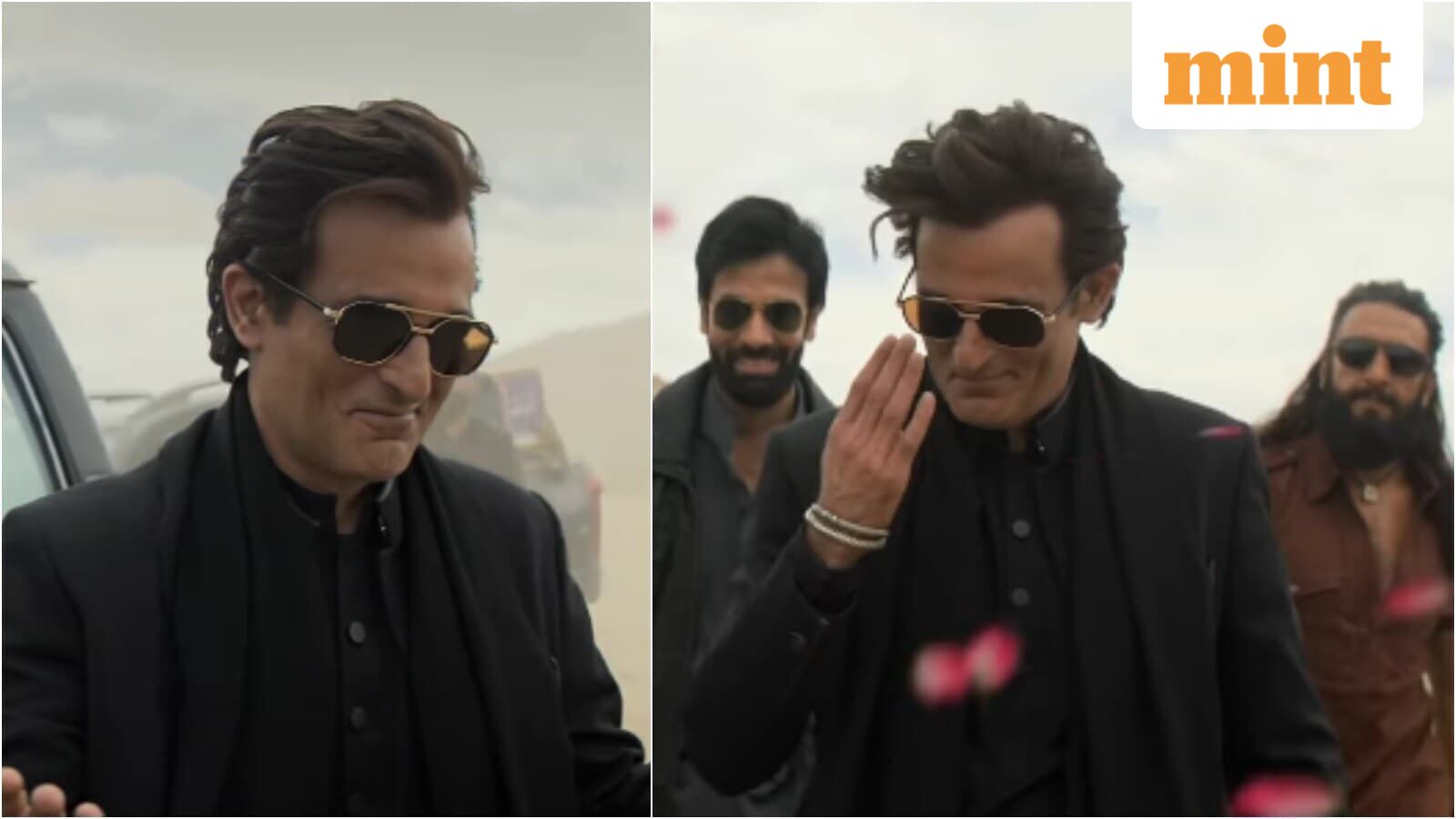
The financial muscle behind this veteran revival is undeniable, with recent blockbusters showcasing the potent draw of these re-energized actors. Akshaye Khanna, for instance, has delivered stunning box office figures in his antagonist avatars. His film Dhurandhar amassed a staggering ₹863 crore in domestic box office collection, while Chhaava added another ₹600.10 crore to its coffers. These aren’t peripheral contributions; these are lead antagonist roles driving multi-hundred-crore successes. Similarly, Bobby Deol’s menacing turn in Animal propelled the film past the ₹550 crore mark, establishing a new benchmark for antagonist-driven commercial triumph. Sanjay Dutt, another formidable name from the era, commanded the screen in KGF-Chapter 2, with its dubbed Hindi version alone grossing over ₹430 crore, underscoring the pan-Indian appeal and cross-cultural viability of these seasoned performers. These figures are not just impressive; they signal a robust return on investment for producers, demonstrating that a well-crafted antagonist, portrayed by a recognizable veteran, can be as crucial to a film’s commercial success as its nominal lead.

A key catalyst for this paradigm shift has been the proliferation and widespread adoption of over-the-top (OTT) streaming platforms. While their theatrical careers might have faced intermittent lulls, many of these actors maintained a steady presence on digital channels, thereby familiarizing a younger demographic with their acting prowess. This consistent exposure has bridged generational gaps, allowing new viewers to discover their filmographies and appreciate their range, paving the way for renewed big-screen appearances. Rahul Puri, Managing Director of Mukta Arts and Mukta A2 Cinemas, articulates this strategic advantage, noting that "It is certainly a good idea to use these actors, who may not work as heroes anymore, as strong antagonists to add weight and heft to the films." He emphasizes that a pool of "good but underutilized faces" is now experiencing a "golden time period," as streaming platforms have served as an invaluable re-introduction tool, demonstrating their versatility beyond traditional heroic archetypes.
The economic implications extend to production costs and talent acquisition strategies. In big-budget productions, the remuneration for these established actors can soar to as much as ₹30 crore, a figure competitive with many mid-tier leading actors, yet offering the proven gravitas and screen presence that elevates the entire project. This comes coupled with substantial screen time, well-written dialogues, and high production quality, ensuring their roles are integral rather than ancillary. Experts like Puri suggest that positioning yesteryear stars opposite younger leads in action entertainers effectively creates compelling conflict and drama, as audiences inherently grant actors of their stature a higher degree of seriousness. Ashutosh Agarwal, owner of Star World Cinemas in Uttar Pradesh, observes that it would have been commercially imprudent for these established names to persist in seeking run-of-the-mill love stories. He remarks, "Times have changed and audiences are receptive to seeing actors explore their range with different genres now," highlighting a matured audience palate that values nuanced performances over typecasting.
Beyond the domestic Hindi film market, this phenomenon has found robust expression in cross-industry collaborations, particularly with the thriving Southern Indian film industries. This strategy of pairing regional superstars with established Hindi faces is not new but has gained significant momentum, broadening market reach and consolidating star power across linguistic divides. Sanjay Dutt’s appearances alongside Tamil star Vijay in Leo and with Prabhas in The Raja Saab exemplify this trend. Similarly, Saif Ali Khan has made impactful forays into Southern cinema, featuring in Devara: Part 1 with Jr NTR and Adipurush with Prabhas. Bobby Deol, having recently starred in Kanguva and Hari Hara Veera Mallu, is also slated for Vijay’s upcoming Jana Nayagan. These collaborations are economically shrewd, allowing producers to tap into diverse audience bases and leverage combined star appeal, transforming individual market successes into pan-Indian blockbusters. This integration represents a sophisticated approach to talent deployment, reflecting a more unified national cinematic economy.

The financial prudence of casting these veterans also plays a crucial role in balancing production budgets. Yusuf Shaikh, a film producer and distributor and founder of the low-cost theatre chain Janta Cinema, points out a "dearth of saleable faces that can lure audiences in some way to cinemas." In this context, these actors, enjoying their "second innings," offer a unique proposition: established recognition and proven acting ability without the exorbitant fees sometimes associated with current A-list stars. This allows producers to cast them alongside newer faces, controlling overall production costs for mid-budget cinema while still infusing the project with a valuable dose of star power that enhances marketability and audience trust. This strategic casting decision helps de-risk projects, particularly in a volatile market where audience expectations are constantly rising.
However, it is pertinent to observe a discernible gender disparity within this veteran revival. While male actors from the 90s are finding immense success and financial reward in antagonist roles, female actors from the same era, such as Tabu and Madhuri Dixit, while successfully transitioning into pivotal roles across films and streaming platforms, have not consistently delivered comparable box-office outcomes in similar antagonist-driven narratives. While their performances are critically acclaimed and their presence elevates the artistic merit of projects, the commercial impact, particularly in antagonist roles engineered for theatrical spectacle, has yet to parallel their male counterparts. This suggests that while the industry is open to veteran female talent, the specific commercial frameworks and narrative opportunities designed to position them as major box-office draws in antagonist roles, akin to the current wave for male actors, are still evolving. The market dynamics, societal perceptions, and the types of scripts being greenlit likely contribute to this nuanced divergence, indicating that the industry’s embrace of veteran talent still holds implicit biases that need to be addressed for a truly equitable renaissance.
In essence, the resurgence of 90s Bollywood stars is more than a fleeting trend; it represents a significant structural shift in the industry. It underscores a strategic pivot towards leveraging experienced talent in diverse, commercially potent roles, particularly as antagonists. This evolution, fueled by OTT platforms, changing audience tastes, and cross-industry collaborations, is not just extending careers but redefining the very metrics of star power and commercial success in Indian cinema. As audiences continue to seek compelling narratives and nuanced performances, the seasoned veterans of Bollywood are proving that true star power, when strategically deployed, is timeless and profoundly impactful, both artistically and economically.