


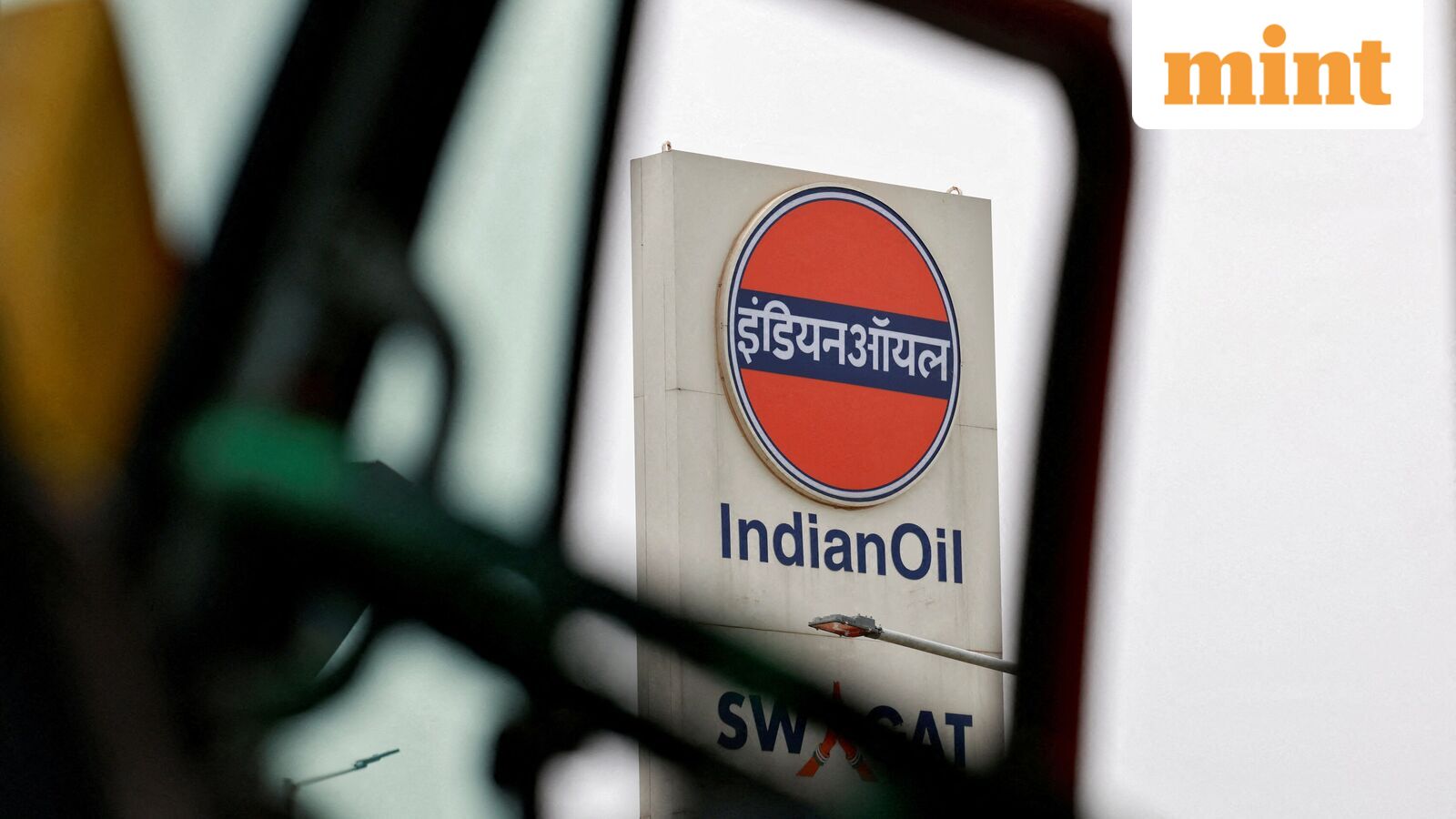
Despite escalating Western sanctions and persistent geopolitical pressure, India’s substantial uptake of discounted Russian crude has demonstrated remarkable resilience, defying market expectations and establishing a new normal that analysts predict could extend well into 2026. This enduring energy partnership underscores a complex interplay of economic pragmatism, national energy security, and an evolving global geopolitical landscape, fundamentally reshaping traditional oil trade routes and challenging the efficacy of Western punitive measures.
Before the full-scale invasion of Ukraine in February 2022, Russia constituted a negligible fraction, often less than 1%, of India’s crude oil imports. India, the world’s third-largest oil consumer and approximately 85% reliant on imports to meet its burgeoning energy demands, traditionally sourced the vast majority of its crude from Middle Eastern suppliers such as Saudi Arabia, Iraq, and the UAE. The ensuing geopolitical upheaval and the imposition of Western sanctions on Moscow, however, dramatically altered this established paradigm. With traditional European buyers withdrawing, Russia found itself with a surplus of crude, offered at significant discounts, creating an irresistible economic opportunity for price-sensitive importers like India and China.
For much of 2022 and 2023, these heavily discounted Russian barrels, primarily Urals crude, became a cornerstone of India’s energy procurement strategy. At its peak, India was importing over 2 million barrels per day (bpd) from Russia, a monumental shift that saw Russia displace Iraq as India’s top supplier. This influx of cheaper oil provided a crucial financial lifeline for Moscow, helping to cushion the blow of Western sanctions, while simultaneously delivering billions of dollars in savings for New Delhi’s import bill, a significant boon for a nation grappling with domestic inflation and a large current account deficit. The discounts on Urals crude against international benchmarks like Brent were often substantial, ranging from $25 to $30 per barrel initially, making the economics profoundly compelling for Indian refiners.
However, this burgeoning trade relationship has not been without its challenges. The United States and its allies have exerted considerable diplomatic and economic pressure on India, urging a reduction in its reliance on Russian energy. Measures such as the G7 price cap, aimed at limiting Russia’s oil revenues, and the blacklisting of entities involved in facilitating Russian oil trade, have introduced complexities, disrupting shipping routes, increasing insurance costs, and necessitating the development of a shadow fleet of tankers. India’s Oil Minister, Hardeep Puri, succinctly articulated the nation’s stance, stating that the "market is the determining factor" for India’s oil procurement decisions. He emphasized the global abundance of energy resources, suggesting that India’s choices are driven by commercial viability rather than political alignment, a testament to India’s long-standing policy of strategic autonomy.
Indeed, Washington’s intensified scrutiny and the evolving sanctions regime have compelled India to recalibrate its energy sourcing to some extent. The peak import volumes from Russia witnessed a slight moderation towards the end of 2023, falling to approximately 1.3 million bpd in December. This period also saw Indian state-owned refiners, such as Bharat Petroleum Corp. (BPCL) and Indian Oil Corp. (IOC), issuing tenders and expanding purchases from traditional Middle Eastern suppliers, including Abu Dhabi’s Murban, Iraqi Basrah, and Oman crude, seeking to rebalance their procurement portfolios and mitigate potential risks associated with over-reliance on a sanctioned source. These strategic adjustments underscore India’s commitment to diversifying its energy basket, a policy driven by long-term energy security considerations and the expansion of its refining capacity, projected to grow from 258 million tons per annum (MTPA) currently to 309.5 MTPA by 2030. India’s energy minister noted that the country now sources oil from 41 nations, up from 27 just a few years ago, highlighting a robust diversification strategy.
Despite these diversification efforts and the external pressures, the underlying economic rationale for purchasing Russian crude remains profoundly strong. As sanctions continue to be applied to major Russian producers and trading entities, the discounts on Urals crude have, at times, widened further, making these barrels exceptionally attractive. Even private sector giants like Reliance Industries Ltd., which initially adopted a more cautious approach, have reportedly placed new orders for non-sanctioned Russian cargoes, demonstrating that commercial expediency often trumps geopolitical concerns in the energy sector. Analysts like Arne Lohmann Rasmussen, Chief Analyst at A/S Global Risk Management, encapsulate this reality, stating, "We know that oil will always find a way," and expressing strong doubt that India will cease importing Russian oil.
Looking ahead, market experts from firms like Kpler Ltd. anticipate that India will "maintain a healthy baseload of Russian crude" for the foreseeable future. This persistence is not merely a short-term reaction but a strategic calculation. India’s burgeoning economy and growing population translate into an ever-increasing demand for energy, making access to affordable crude a national imperative. Furthermore, the global oil market currently exhibits an oversupply, granting major importers like India significant optionality. This allows India to negotiate favorable terms and shift its buying slate strategically, ensuring its refiners achieve optimal margins. Naveen Das, Senior Crude Oil Analyst at Kpler, emphasizes that India, as one of the key global demand hubs, holds considerable leverage and "will not be punished for cutting back on Russian purchases" should market conditions or geopolitical considerations dictate such a move.
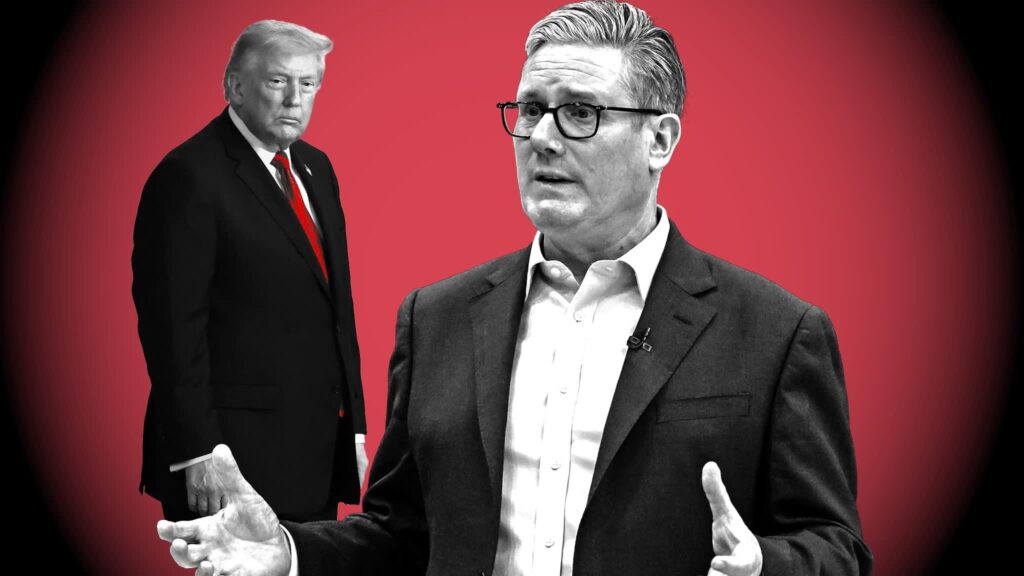
Several factors could influence the trajectory of this trade relationship beyond 2026. A significant potential disruptor is the prospect of a comprehensive trade deal between India and the United States. While discussions have been ongoing, a concrete agreement remains elusive. Should a substantive deal materialize, it could incentivize New Delhi to adopt a more conservative stance on Russian oil imports, aligning more closely with Washington’s geopolitical objectives. However, such a deal would need to offer substantial economic benefits to offset the cost advantages of Russian crude. Former US President Donald Trump, speaking at the World Economic Forum, indicated that a "good trade deal" was possible, but specifics remain scarce.
Another critical consideration for India is the ongoing need to nurture its broader trade and political relationships, extending beyond its traditional ties with Russia. While Russia remains a crucial defense and strategic partner, India is actively strengthening alliances like the Quad (with the US, Japan, and Australia) and deepening economic engagement with various global partners. Balancing these diverse geopolitical interests while safeguarding national economic welfare is a delicate act.
Ultimately, India’s sustained reliance on Russian oil is a powerful demonstration of its independent foreign policy and its unwavering focus on national economic interests. In a world characterized by geopolitical fragmentation and supply chain vulnerabilities, securing diverse and affordable energy sources remains paramount. The continued flow of Russian crude to India, far from being a temporary phenomenon, has evolved into a structural feature of the global energy market, reflective of India’s growing economic clout and its strategic agility in navigating an increasingly complex international order. This arrangement, driven by compelling economics and strategic necessity, appears set to endure, solidifying India’s position as a pivotal player in the reconfigured global energy landscape.