

The intersection of retail finance and sports entertainment reached a new milestone this week as Robinhood Markets announced a significant expansion of its prediction markets platform, introducing sophisticated wagering tools for the National Football League. By integrating "parlay-style" combinations and real-time player performance contracts, the Menlo Park-based brokerage is signaling its intent to capture a larger share of the burgeoning event-contract market, placing it in direct competition with established sports betting giants like DraftKings and FanDuel. This strategic pivot, unveiled at the company’s "YES/NO" keynote event at the Summit Skywalker Ranch, represents a fundamental shift in how retail investors engage with non-traditional assets, blending the mechanics of high-frequency trading with the cultural zeitgeist of professional sports.
Starting immediately, Robinhood users can trade preset combinations involving game outcomes, point totals, and spreads for individual NFL matchups. The company has also outlined a roadmap for early 2026 that will allow users to construct custom "combos" of up to ten different outcomes across multiple games. These multi-leg contracts mirror the structure of traditional parlays, a high-margin product for sportsbooks that has become increasingly popular among younger demographics. JB Mackenzie, Robinhood’s Vice President and General Manager of Futures and International, emphasized that these features are designed to meet the sophisticated demands of a user base that views the world through a lens of probabilistic outcomes rather than static investments.
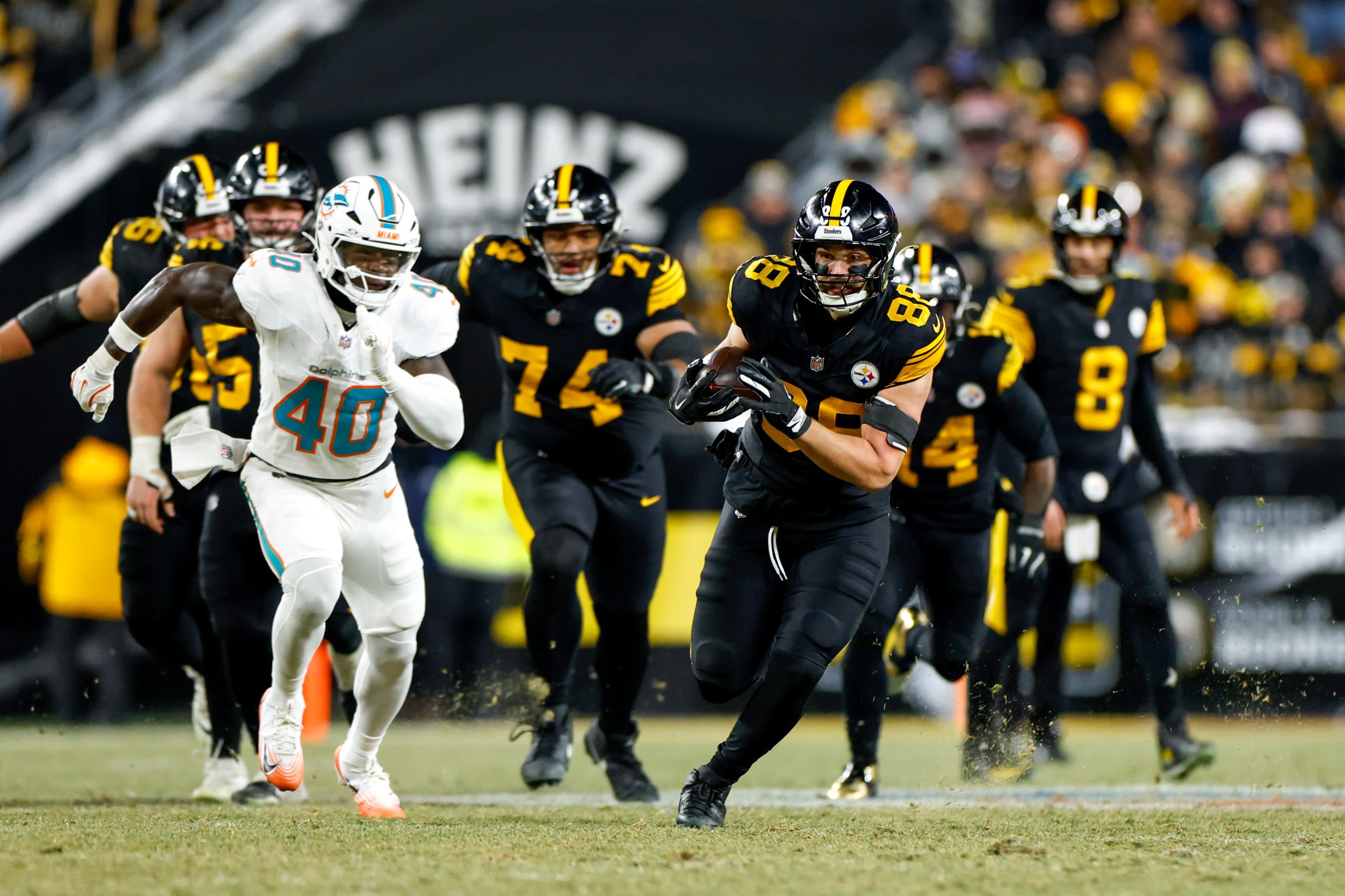
The expansion also ventures into the granular territory of "prop bets," or player-specific contracts. Users can now wager on real-time events, such as whether a specific player will score a touchdown or hit specific yardage thresholds for passing, receiving, or rushing. By treating these athletic performances as tradeable assets, Robinhood is leveraging its existing infrastructure to provide a seamless transition for users who are already accustomed to the volatility of options and cryptocurrency trading. This move is not merely about sports; it is about the democratization of event-based speculation, a sector that Robinhood believes is still in its infancy.
The financial trajectory of Robinhood’s prediction market segment has been nothing short of explosive. Since its foray into the space during the 2024 U.S. Presidential Election, the business has grown into a $100 million annualized revenue stream, with over 11 billion contracts traded by more than one million customers. Internal projections suggest the segment is on track to become a $300 million business based on recent monthly growth rates. November alone saw over 3 billion contracts traded, a 20% increase from the previous month, which itself had already surpassed the entire third-quarter performance. This rapid scaling has been a primary catalyst for Robinhood’s stock performance, which has surged by approximately 220% in 2025 as investors price in the company’s transformation from a simple brokerage to a comprehensive financial ecosystem.
Central to Robinhood’s strategy is the concept of "cross-asset" prediction. While the current focus is on the NFL, Mackenzie noted that the company is exploring opportunities to allow users to pair diverse events into a single trade. In the future, a user might theoretically construct a parlay that combines a specific climate outcome, an international election result, and a domestic economic data release. This vision positions Robinhood at the center of a new market architecture where information—whether it be a jobs report, a legislative vote, or a goal-line stand—is the underlying commodity. To facilitate this, Robinhood has solidified partnerships with prediction market operator Kalshi and ForecastEx, while also entering a joint venture with Susquehanna International Group to ensure deep liquidity and robust market-making capabilities.

The regulatory environment for prediction markets in the United States has undergone a seismic shift, providing the tailwinds necessary for Robinhood’s expansion. For years, the Commodity Futures Trading Commission (CFTC) maintained a restrictive stance on event contracts, citing concerns over public interest and the potential for "gamification." However, recent court rulings, most notably involving Kalshi, have opened the floodgates by challenging the agency’s authority to ban contracts based on political or sporting events. This legal clarity has allowed Robinhood to operate within a regulated framework of "event contracts" rather than the traditional state-by-state sports betting licenses, offering a potentially more scalable model across different jurisdictions.
Market analysts are increasingly viewing Robinhood through a different lens, with some describing the firm as the "Charles Schwab for Generation Z." While the comparison highlights the demographic shift, the scale remains vastly different: Robinhood’s assets under custody (AUC) stood at $193 billion at the end of 2024, whereas Schwab managed over $10 trillion in the same period. However, the growth rate of Robinhood’s AUC and the high engagement levels of its users suggest a narrowing gap in influence. Mizuho analyst Dan Dolev noted that Robinhood and Coinbase users are nearly nine times more likely to participate in prediction markets than the general population, suggesting that Robinhood is successfully capturing a "predisposed" audience that views financial markets and event speculation as two sides of the same coin.
The broader economic impact of this trend is significant. Prediction markets are often cited by economists as being more accurate than traditional polling or expert forecasts because they aggregate the "wisdom of the crowd" through financial incentives. By bringing these markets to millions of retail users, Robinhood is effectively creating a real-time sentiment gauge for global events. As the platform moves into international economic data and policy outcomes, it could become a vital tool for price discovery in sectors that were previously opaque or inaccessible to the average individual.
Furthermore, the integration of prediction markets is part of a wider diversification strategy aimed at stabilizing Robinhood’s revenue against the cyclical nature of equity trading volumes. Alongside its foray into event contracts, the company has aggressively expanded its "Gold" subscription service, launched a highly competitive credit card, and bolstered its retirement and advisory businesses. These efforts are designed to create a "sticky" financial environment where a user might manage their IRA, trade Bitcoin, pay for groceries, and wager on the Super Bowl all within a single application. KeyBanc Capital Markets analyst Alex Markgraff observed that while prediction markets are providing outsized growth contributions in the short term, the long-term value lies in Robinhood’s ability to circle every aspect of a customer’s financial life.
Global comparisons also offer a glimpse into the potential future of this industry. In the United Kingdom and parts of Europe, "spread betting" and exchange-based wagering have been integrated into the broader financial landscape for decades. Companies like Betfair have long demonstrated that there is a massive appetite for peer-to-peer event trading. Robinhood is essentially modernizing this concept for the American market, utilizing a mobile-first interface and a brand identity that resonates with a tech-savvy audience.
As Robinhood moves toward its 2026 goal of allowing fully customizable, multi-event contracts, the line between "investing" and "betting" will likely continue to blur. Critics argue that this convergence risks trivializing the serious nature of financial planning, but proponents see it as a natural evolution of market access. For Robinhood, the mission remains clear: to build the most comprehensive and engaging financial platform in the world. By turning the NFL season into a series of tradeable events, they are not just entering the sports world; they are redefining what it means to be a market participant in the 21st century. The success of this initiative will ultimately depend on the company’s ability to maintain its technological edge while navigating the complex regulatory and ethical questions that arise when the stadium and the stock exchange become one and the same.