A significant legal challenge is unfolding in the Bombay High Court, where India’s leading alcoholic beverage manufacturers are contesting a prohibition imposed by the Food Safety and Standards Authority of India (FSSAI) on the sale of several prominent rum and whisky variants. This dispute has thrust the nation’s burgeoning spirits industry into a complex regulatory spotlight, raising fundamental questions about product definitions, established manufacturing practices, and the remit of food safety oversight. The court recently sought a detailed response from the central government, underscoring the high stakes involved for both the industry and the regulatory framework.
At the heart of the matter lies FSSAI’s objection to the use of added artificial or nature-identical flavouring substances in products labelled as standardized spirits. Laboratory tests conducted by the regulator reportedly revealed these flavourings, which FSSAI argues mask the natural characteristics inherent to traditional rum and whisky. This interpretation stems from the Food Safety and Standards (Alcoholic Beverages) Regulations, 2018, which stipulate that standardized alcoholic beverages must possess their distinctive taste and aroma. The regulator contends that adding "rum flavour" to rum or "whisky flavour" to whisky constitutes a misrepresentation of these products, potentially misleading consumers about their authenticity and composition.
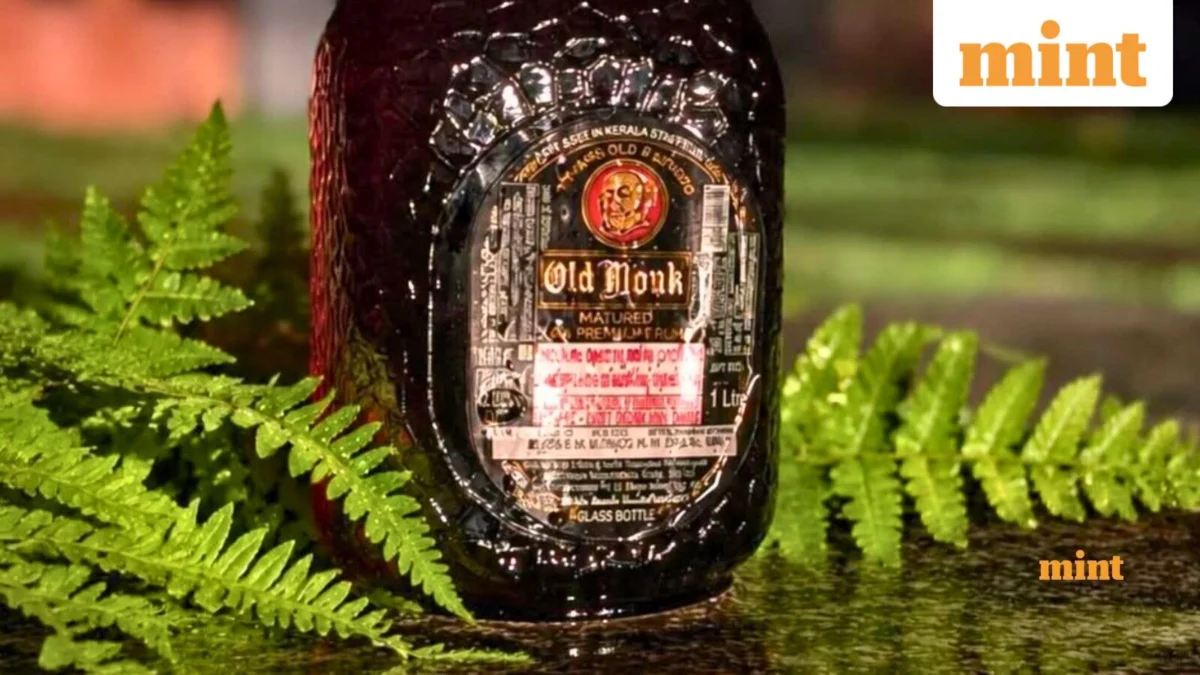
The industry, represented by giants like Mohan Rocky Springwater Breweries Pvt. Ltd., the venerable maker of Old Monk Rum, and United Spirits, a Diageo subsidiary producing McDowell’s No. 1 Rum, Antiquity Blue Whisky, and Royal Challenge Whisky, vehemently disputes FSSAI’s stance. Mohan Rocky Springwater Breweries, through its senior counsel, highlighted the immense financial pressure, citing daily losses nearing ₹1 crore due to the sales prohibition. The company’s legal team emphasized that Old Monk Rum has been sold consistently for over five decades under existing regulations, establishing a long-standing industry practice. The core argument rests on the premise that relabeling these products to acknowledge added flavouring would implicitly concede that a 50-year-old manufacturing and marketing practice was incorrect—a concession with significant legal and reputational ramifications. Furthermore, manufacturers argue that there have been no reported consumer complaints or health-related incidents linked to these products, questioning the urgency and necessity of such an abrupt ban.
The Indian alcoholic beverage market is one of the largest and fastest-growing globally, valued at approximately $52.5 billion in 2020 and projected to reach $68 billion by 2023, with significant contributions from both the rum and whisky segments. Whisky alone accounts for over 60% of the country’s spirits consumption. Brands like Old Monk, an iconic dark rum, hold a profound cultural significance beyond their market share, having been a staple for generations of Indian consumers. The sudden prohibition on specific variants, therefore, isn’t just a regulatory hurdle but a significant disruption to established supply chains, brand equity, and consumer access. Beyond the immediate financial losses, the ban creates uncertainty for future product development and innovation in a market segment increasingly driven by diverse consumer preferences for flavoured spirits.

Industry analysts suggest that the FSSAI’s move reflects a broader trend towards stricter adherence to international standards and a push for greater transparency in product labelling. However, the contentious point remains the application of new regulations to long-established products. While the 2018 regulations are relatively recent, the manufacturing practices in question predate them by decades. This raises a crucial legal debate about the concept of "grandfathering" existing products versus enforcing new standards retroactively or without a clear transition period. The industry is effectively arguing for the recognition of customary practices as a legitimate basis for product definition, especially when these practices have not demonstrably harmed public health.
The implications of this case extend far beyond the affected rum and whisky brands. A ruling in favour of FSSAI could set a precedent for other categories within the food and beverage industry where flavouring agents are commonly used in products with standardized names. This could trigger a wave of re-evaluations for various food items, from dairy products to snacks, potentially leading to widespread relabelling, reformulation, or even market withdrawals. Such a scenario would introduce significant compliance costs, disrupt manufacturing processes, and potentially stifle innovation across the broader consumer goods sector. Conversely, a ruling favouring the manufacturers could compel FSSAI to reconsider its interpretative approach to the 2018 regulations, possibly leading to amendments or more nuanced guidelines that accommodate traditional industry practices alongside modern food safety objectives.
Comparing India’s regulatory approach with global standards reveals a diverse landscape. In the European Union, for instance, strict Protected Geographical Indication (PGI) and Protected Designation of Origin (PDO) rules govern many spirits, dictating specific production methods and ingredients, often limiting or prohibiting external flavourings for certain categories like ‘Rum’ or ‘Whisky’ to maintain authenticity. However, the EU also has categories for ‘Spirit Drinks’ that allow for flavouring, provided they are clearly labelled. In the United States, the Alcohol and Tobacco Tax and Trade Bureau (TTB) has specific definitions, and while ‘flavoured rum’ and ‘flavoured whisky’ are permitted, they must clearly state the added flavouring on the label and adhere to certain minimum proof requirements for the base spirit. The core difference often lies in whether the addition of flavouring redefines the product category itself or merely creates a variant within it, and how explicitly this must be communicated to the consumer.
The Bombay High Court, led by acting Chief Justice Ravindra V. Ghuge and Justice Gautam A. Ankhad, has clubbed the petitions from United Spirits and Mohan Rocky Springwater Breweries, signaling the interconnectedness and broader industry impact of these challenges. The Centre’s response, due by August 19, will be critical in outlining the government’s official stance and FSSAI’s ultimate justification for its stringent interpretation. The next hearing, scheduled for August 24, is anticipated to bring clarity, with the court expected to issue an order that could reshape the regulatory landscape for alcoholic beverages in India. This ongoing legal battle highlights the perennial tension between fostering innovation and consumer choice, protecting public health, and preserving the traditional identity of iconic products within a rapidly evolving market and regulatory environment. The outcome will undoubtedly have far-reaching consequences for manufacturers, consumers, and the future trajectory of India’s robust spirits industry.