

India has achieved a significant landmark in its ambitious energy transition, with its cumulative non-fossil electricity generation capacity surpassing the 300 gigawatt (GW) threshold. This milestone signals a crucial pivot in the nation’s energy strategy, moving beyond the rapid deployment of renewable assets to the more complex, yet vital, task of building the sophisticated transmission, storage, and grid infrastructure necessary to ensure a stable, reliable, and economically viable clean energy supply. The journey from simply adding capacity to establishing a truly dependable green power ecosystem now takes center stage, posing both formidable challenges and unparalleled opportunities for the world’s third-largest energy consumer.
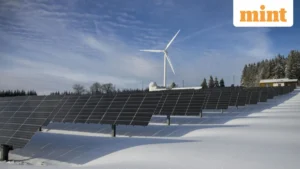
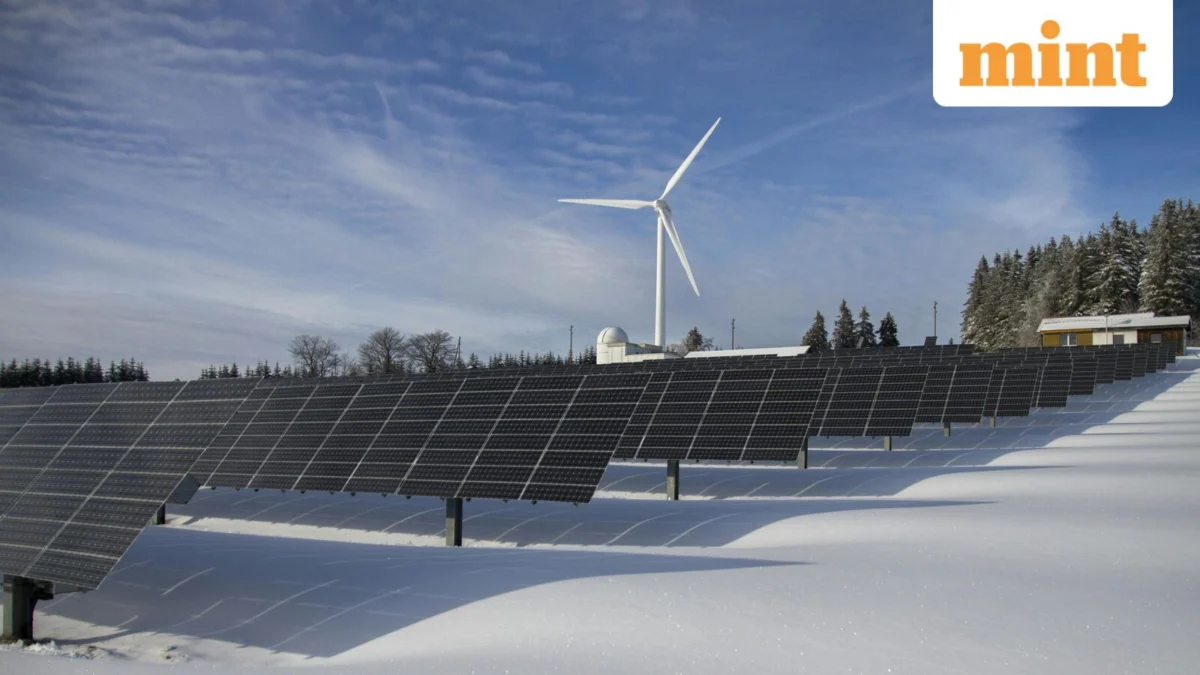
As of July 31st, India’s installed non-fossil electricity capacity stood at an impressive 300.50 GW. This diverse portfolio comprises 164.59 GW of solar power, 58.14 GW from wind energy, 57.24 GW attributed to large and small hydropower projects, 11.75 GW from bio-power, and 8.78 GW generated by nuclear facilities. When juxtaposed against the nation’s total installed power generation capacity of approximately 552 GW at the close of July, non-fossil sources now account for roughly 54% of India’s entire energy mix. This remarkable shift underscores a profound reorientation of the country’s energy landscape, positioning it firmly on the path toward decarbonization.
The momentum behind this expansion has been nothing short of extraordinary, with solar power emerging as the primary catalyst. India recorded its highest-ever annual addition of non-fossil capacity during the fiscal year 2025-26, injecting a staggering 55.29 GW into the grid. This record surge included 44.6 GW of solar capacity and 6 GW of wind capacity, highlighting the aggressive pace at which the nation is embracing intermittent renewable sources. This accelerated deployment has allowed India to achieve a critical objective five years ahead of schedule: reaching 50% of its cumulative installed electricity capacity from non-fossil sources by June 2025, a commitment outlined in its Nationally Determined Contribution (NDC) to the Paris Agreement. Such rapid progress not only bolsters India’s energy security but also strengthens its standing as a leader in global climate action.
This impressive growth has been propelled by a confluence of supportive government policies, technological advancements, and robust private sector investment. Initiatives such as the Production-Linked Incentive (PLI) scheme for solar module manufacturing, the Approved List of Models and Manufacturers (ALMM) for solar photovoltaic modules, and competitive bidding processes have significantly de-risked investments and spurred domestic manufacturing. The ALMM-listed solar photovoltaic module capacity has already exceeded 200 GW, indicating a strong foundation for local supply chains. Furthermore, the plummeting costs of solar and wind energy globally have made renewables increasingly competitive, often undercutting the tariffs of conventional fossil fuel-based power generation, thereby accelerating their adoption across the Indian subcontinent.
However, the transition into this new phase of energy evolution presents a distinct set of challenges. The focus is now shifting from merely increasing generation capacity to establishing a sophisticated and resilient power system capable of reliably integrating vast and growing volumes of variable renewable energy. The inherent intermittency of solar and wind power necessitates robust solutions for grid stability, supply-demand balancing, and power quality management. This demands a multi-pronged strategy encompassing significant investments in transmission infrastructure, advanced energy storage solutions, flexible generation capabilities, precise forecasting mechanisms, and intelligent grid management technologies.
Central to this effort are the ambitious Green Energy Corridors (GEC) projects, which are far more than just transmission lines; they represent the foundational backbone of India’s future electricity system. Designed to evacuate large-scale renewable power from resource-rich regions—such as Rajasthan, Gujarat, and Tamil Nadu—to demand centers across the country, these corridors are critical for minimizing curtailment and maximizing the utilization of green energy. The first phase of GEC, covering an estimated 3,200 circuit kilometers of transmission lines and 17,000 MVA of substation capacity, is already underway, with substantial further expansion planned. However, the sheer scale of investment required, coupled with challenges related to land acquisition, regulatory clearances, and inter-state coordination, remains a considerable hurdle that requires concerted efforts from both central and state governments.

Complementing transmission expansion is the urgent need for large-scale energy storage. Battery Energy Storage Systems (BESS) and Pumped Hydro Storage (PHS) are emerging as critical enablers for firming up intermittent renewable power, shifting generation to match demand peaks, and providing essential grid services like frequency regulation. While BESS technology is rapidly maturing and costs are declining globally, its deployment in India is still nascent but poised for exponential growth, driven by supportive policies and potential viability gap funding. India’s diverse topography also offers significant potential for PHS projects, which can provide long-duration storage and grid stability, although these projects typically involve longer gestation periods and higher initial capital outlay. Integrating these storage solutions effectively will be paramount to ensuring a stable and reliable electricity supply.
The modernization of the grid itself, through the adoption of smart grid technologies and digitalization, forms the third pillar of this integration strategy. Advanced forecasting and scheduling tools, leveraging artificial intelligence and machine learning, are essential for predicting renewable energy generation and demand fluctuations with greater accuracy. This enables grid operators to manage imbalances proactively. Furthermore, demand-side management programs, smart meters, and grid automation technologies will empower consumers and enhance operational efficiency. The integration of such digital solutions will allow for dynamic real-time management of the power system, ensuring resilience against voltage fluctuations and frequency deviations, while also bolstering cybersecurity measures against potential threats.
Beyond infrastructure, India is also strategically strengthening its domestic manufacturing capabilities across the entire renewable energy value chain. The success of schemes like PLI and the ALMM framework is critical not only for building self-reliance and creating jobs but also for mitigating global supply chain vulnerabilities, especially given geopolitical complexities surrounding critical materials and components. A robust local ecosystem, encompassing everything from polysilicon and wafer production to cell and module assembly, as well as inverter and battery manufacturing, is vital for sustained, long-term growth and cost competitiveness in the global green energy market.
The economic and environmental ramifications of this energy transition are profound. Shifting away from fossil fuels significantly reduces carbon emissions, improves air quality in urban centers, and enhances public health outcomes. Economically, it offers substantial benefits in terms of energy security by reducing reliance on volatile international fossil fuel markets, thereby conserving foreign exchange reserves. Moreover, the burgeoning green energy sector is a powerful engine for job creation, fostering new industries and driving innovation. International investors are increasingly viewing India as a pivotal market for green investment, attracted by its ambitious targets, policy stability, and vast demand potential.
As Deepak Thakur, Managing Director and Chief Executive of Hinduja Renewables, articulated at a recent industry summit, the paradigm has shifted: "India is clearly moving from building renewable energy assets to building a dependable energy system. The next phase is fundamental. It will not be measured in gigawatts (GW), it will now be measured in terms of….can we deliver when customers actually need it? That being said, the projects which we are conceiving cannot be standalone solar and wind anymore; we have to talk about integrated portfolios. This has to combine generation, storage, forecasting and transmission." This sentiment encapsulates the strategic imperative facing India’s energy sector: to move from individual component deployment to holistic system integration.
Looking ahead, India’s ambitions remain aggressive, targeting 500 GW of non-fossil fuel electricity capacity by 2030 and striving for Net Zero emissions by 2070. Achieving these targets will require continued innovation, sustained policy support, substantial capital mobilization—estimated to be in the hundreds of billions of dollars for grid and storage alone—and seamless coordination among various stakeholders. The milestone of 300 GW is not merely a numerical achievement; it signifies a robust foundation upon which India intends to construct a truly resilient, sustainable, and dependable energy future, setting a powerful precedent for other developing economies navigating their own energy transitions.