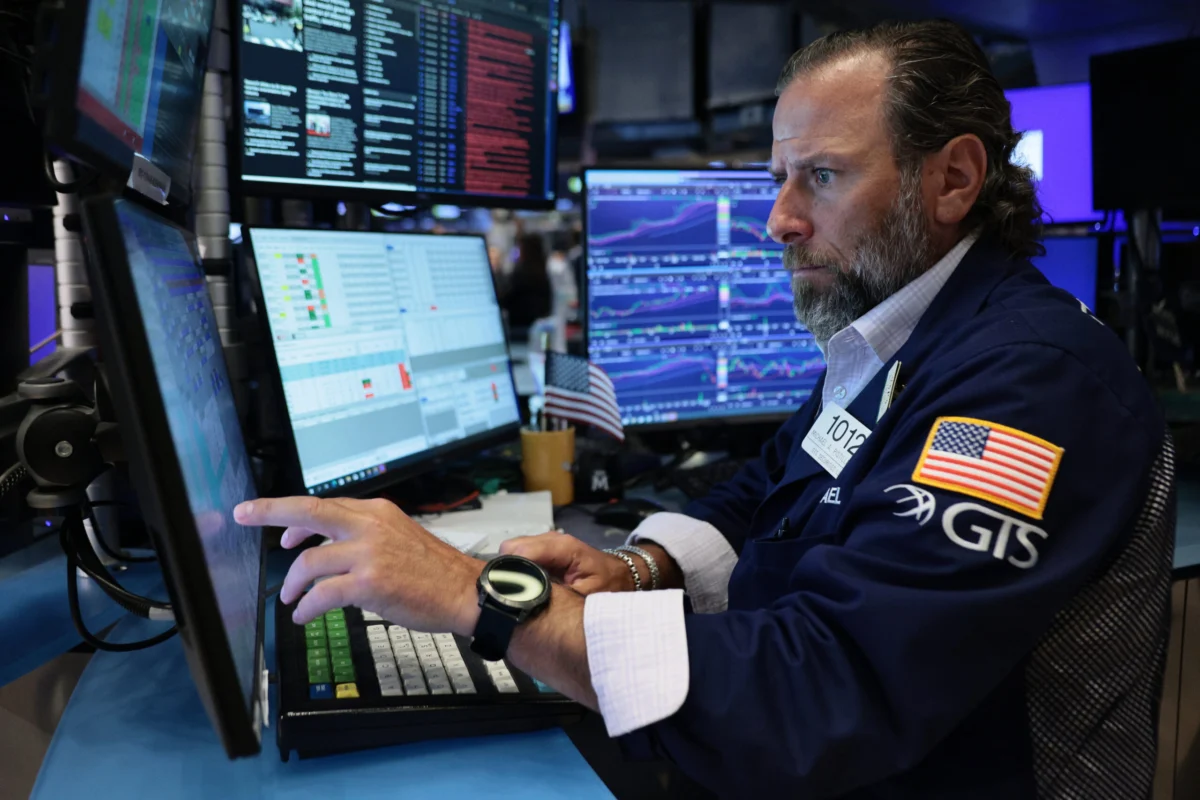
The psychological and mathematical thresholds of the equity markets are being redrawn as investors digest a period of extraordinary volatility followed by a resilient recovery. After a blistering four-day rally that saw the S&P 500 climb more than 5.5%, the financial community is no longer merely debating the possibility of new highs—they are pricing in a trajectory that could take the benchmark index to the 8,000 level by 2026. This shift in sentiment, captured vividly by the fluctuating odds on prediction market platforms, represents a significant recalibration of risk appetite and economic expectations for the mid-decade.
On the Kalshi prediction platform, a regulated exchange where speculators trade on the outcome of real-world events, the probability of the S&P 500 crossing the 8,000 threshold in 2026 has surged to a 2-in-3 chance. With the index currently sitting approximately 3.6% away from that milestone, the market appears to be moving from a state of cautious recovery into a phase of renewed optimism. This is a stark contrast to the sentiment found earlier in the year, when geopolitical tensions and internal market rotations threatened to derail the multi-year bull run.
The road to this potential milestone has been paved with significant macro-economic hurdles. Throughout April and May of 2026, global markets were haunted by the specter of the U.S.-Iran conflict, a period that saw energy prices spike and a flight to safety that temporarily suppressed equity valuations. However, as diplomatic channels reopened and the immediate threat of a wider regional war subsided, the "wall of worry" that markets traditionally climb began to stabilize. The subsequent recovery has been fueled by a combination of robust corporate earnings, a stabilization in interest rate expectations, and a strategic broadening of market leadership beyond the technology titans that dominated the early part of the decade.
The evolution of market leadership is perhaps the most critical component of the current rally. In late June and throughout July, the momentum-heavy artificial intelligence trade, which had propelled the index to previous records, experienced a significant cooling period. Investors began to rotate out of high-flying semiconductor and software names, seeking value in sectors that had been largely neglected. This rotation was initially viewed with skepticism, as some feared the "AI bubble" was finally bursting. Instead, the market witnessed a "healthy reset." The capital pulled from tech was not exiting the system; it was being redistributed into industrials, financials, and consumer discretionary stocks, creating a more balanced and sustainable foundation for the next leg of the bull market.
This internal strengthening of the market is a point of focus for institutional analysts. The prevailing thesis among market strategists is that the bull market is maturing rather than exhausting itself. Corporate earnings have remained the "north star" for valuation models, with estimates continuing to trend upward despite the earlier geopolitical shocks. Resilience in economic growth, coupled with improved market participation—where a larger percentage of stocks are contributing to the index’s gains—suggests that the current environment is not indicative of a market peak. Historically, bull markets tend to end on narrow participation and deteriorating fundamentals; the current data suggests the opposite is occurring.
The role of prediction markets like Kalshi in capturing this sentiment cannot be overstated. Unlike traditional analyst surveys, which can be lagging indicators or influenced by institutional biases, prediction markets offer a real-time, incentivized look at where "smart money" is placing its bets. The fact that traders are now assigning a one-in-three chance for the index to hit 8,200 within the same timeframe suggests a growing "tails-up" risk profile, where the possibility of an overshoot to the upside is becoming as plausible as a standard correction. These platforms use data feeds from Google Finance and other primary sources to resolve contracts, providing a transparent mechanism for hedging and speculation that mirrors the broader shift toward decentralized and democratized financial forecasting.
Adding to the complexity of the current market landscape was the recent turbulence surrounding high-profile hedge funds. The near-collapse and subsequent fire sale of Leopold Aschenbrenner’s Situational Awareness fund served as a momentary shock to the system. The fund, which had become a symbol of aggressive, thematic investing in the AI and national security sectors, faced a liquidity crisis that many feared would trigger a systemic contagion. However, the market’s ability to absorb the liquidation of such a significant player without a broader collapse has been interpreted as a sign of deep structural liquidity and institutional strength. Rather than a harbinger of doom, the Aschenbrenner episode is now viewed by many as the final "clearing event" that removed excess leverage from the system, allowing the rally to resume on firmer footing.
From a global perspective, the S&P 500’s march toward 8,000 places it in a unique position compared to its international peers. While the Nikkei 225 and the DAX have shown signs of recovery, the American equity market continues to benefit from its unique concentration of innovation-led companies and a domestic economy that has remained remarkably insulated from the stagflationary pressures affecting parts of Europe and East Asia. The U.S. dollar’s role as the primary reserve currency, combined with a fiscal environment that remains supportive of domestic manufacturing and energy independence, has created a "U.S. exceptionalism" narrative that continues to attract global capital flows.
However, the path to 8,000 is not without its detractors. Skeptics point to the elevated price-to-earnings multiples that the index must maintain to reach such heights. For the S&P 500 to trade at 8,000, it would require either a continued expansion of valuation multiples—which are already high by historical standards—or an extraordinary acceleration in corporate profit growth. While the "AI productivity miracle" is often cited as the catalyst for such growth, the tangible impact on the bottom lines of non-tech companies is still in its nascent stages. If the promised productivity gains fail to materialize in the broader economy, the index could find 8,000 to be a ceiling rather than a milestone.
Furthermore, the influence of monetary policy remains a wildcard. As the Federal Reserve navigates the post-conflict inflationary environment, any misstep in the timing of interest rate adjustments could rapidly shift the odds on prediction markets. A "higher-for-longer" stance on rates could increase the cost of capital for the very companies expected to drive the next wave of growth, potentially stalling the momentum seen in the recent four-day surge.
Despite these risks, the current momentum is undeniable. The 5.5% rally over just four trading sessions has effectively wiped out the "war discount" that had been applied to equities during the height of the U.S.-Iran tensions. With the index now hovering just a few percentage points away from the 8,000 level, the psychological impact of this milestone is likely to draw in further retail and institutional participation. In the world of finance, momentum often begets momentum, and the "Fear of Missing Out" (FOMO) can be a powerful driver when an index approaches a historic round number.
As 2026 progresses, the interplay between geopolitical stability, corporate earnings, and the evolving AI landscape will determine if the traders on Kalshi are prescient or overly optimistic. For now, the data suggests a market that has been tested by fire and emerged more resilient. The transition from the "magnificent" concentration of the past to the broad-based participation of the present is a hallmark of a durable bull market. Whether the S&P 500 hits 8,000 or 8,200, the narrative of 2026 is increasingly becoming one of recovery, rotation, and an unwavering belief in the long-term growth trajectory of the American economy. The prediction markets have made their call; now, the broader global economy must deliver the fundamentals to back it up.