


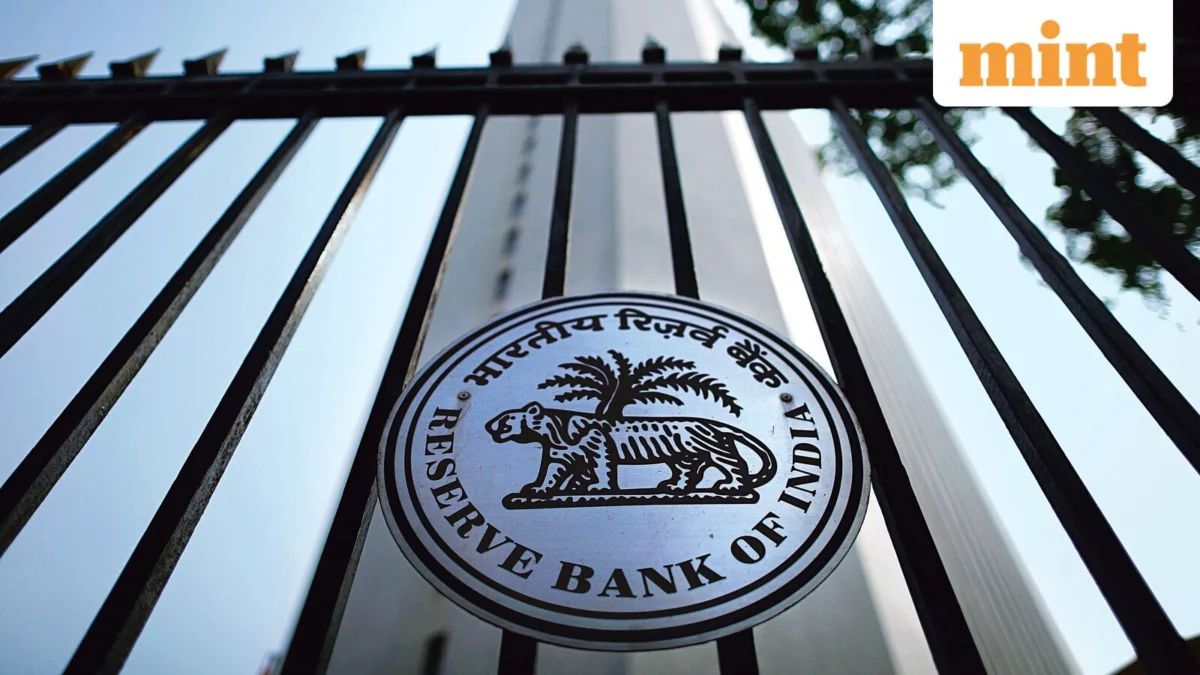
The Reserve Bank of India (RBI) has unveiled a comprehensive draft framework for the "on-tap" licensing of Urban Co-operative Banks (UCBs), signaling a pivotal shift in India’s financial landscape after a two-decade moratorium on new licenses. This strategic move, articulated within the central bank’s statement on developmental and regulatory policies, underscores an evolving confidence in the cooperative banking sector’s improved resilience and the RBI’s enhanced supervisory capabilities. The decision follows extensive stakeholder consultations initiated by a discussion paper released in January 2026, demonstrating a measured approach to re-energize a segment critical for financial inclusion.
For years, the UCB sector has been a cornerstone of local economies, providing vital credit access and banking services to communities often underserved by large commercial banks. However, a series of governance failures, weak financial health, and a fragmented regulatory landscape led the RBI to impose a stringent pause on new licenses in June 2004. This period was dedicated to consolidation, strengthening existing institutions, and fortifying the regulatory architecture. The central bank’s recent assessment confirms that the sector has indeed witnessed significant improvements, with a reduction in the number of weak UCBs through mergers and closures, alongside the empowering legislative amendments, notably the Banking Regulation (Amendment) Act 2020, which significantly augmented the RBI’s oversight powers over cooperative banks. This legislative backing has paved the way for the current policy shift, creating a more robust environment for responsible growth.
The new licensing regime is characterized by its meticulous eligibility criteria, designed to attract only the most financially sound and well-governed credit cooperative societies. Under the proposed guidelines, only credit cooperative societies with a proven track record of at least 10 years of existence will be considered. Furthermore, applicants must demonstrate substantial financial muscle, with minimum deposits of ₹10,000 crore and a net worth of at least ₹300 crore. These thresholds are significantly higher than previous norms, reflecting the RBI’s commitment to fostering large, stable, and professionally managed UCBs. The framework also stipulates that no single member should hold a stake exceeding 5%, promoting diversified ownership and mitigating concentration risks. To ensure operational stability and broader reach, applicants must be registered under the Multi-State Co-operative Societies Act, 2002, and exhibit a "positive and progressive trend" in their operating and financial parameters over the preceding five years.
Beyond these foundational requirements, prospective UCBs will be subjected to rigorous prudential norms. Applicants must maintain a Capital to Risk-weighted Assets Ratio (CRAR) of at least 12% and a net Non-Performing Assets (NPA) ratio not exceeding 3% at the close of the previous financial year. These metrics are crucial indicators of financial health and risk management capabilities, aligning UCBs more closely with the standards expected of commercial banks. A detailed business plan is also a mandatory submission, outlining objectives, strategies for achieving financial inclusion goals, a comprehensive project report covering business potential and viability, and detailed financial projections for five years. This includes plans for branch expansion, product diversification, target clientele, technological adoption, robust risk management frameworks, human resource strategies, compliance with priority sector lending mandates, and adherence to Cash Reserve Ratio (CRR) and Statutory Liquidity Ratio (SLR) norms. A clear roadmap for segregating and transferring non-banking activities is also a prerequisite, ensuring a sharp focus on core banking operations.
The application and approval process itself is multi-layered and stringent, underscoring the RBI’s cautious approach to expansion. An initial screening will verify eligibility, with incomplete or non-compliant applications swiftly returned. This is followed by exhaustive due diligence on all existing directors and an on-site inspection of the society to validate financial statements and other submitted information. Subsequently, an Internal Screening Committee (ISC) comprising two Deputy Governors and two Executive Directors of the RBI will meticulously evaluate the applications. Their recommendations will then be presented to the Committee of the Central Board (CCB) of the RBI for a final decision on issuing an in-principle approval, which will be valid for 18 months. Unsuccessful applicants will face a three-year moratorium before they can reapply, a measure designed to deter speculative applications and ensure serious commitment.
This cautious approach stems from the inherent leverage in banking and the RBI’s unwavering focus on financial stability. The central bank has explicitly stated that meeting the basic eligibility criteria alone will not guarantee a license. Instead, approvals will be granted selectively to cooperative societies that possess an impeccable track record, demonstrate robust standards of governance, offer exemplary customer service, and fully comply with all regulatory norms. This selective issuance policy aims to foster a sector characterized by integrity, efficiency, and resilience, rather than merely increasing the number of players.
The revitalization of the UCB sector through new licenses holds significant economic implications. State Bank of India Research, in its ‘Ecowrap’ report, highlighted that as of March 2025, India’s 1,457 UCBs collectively accounted for approximately 2% of total bank deposits. While this figure might seem modest, their localized presence is invaluable. Group Chief Economic Advisor Soumya Kanti Ghosh emphasized that this step would undoubtedly enhance financial inclusion. However, he also prudently stressed the concomitant need for stronger governance, professional management, timely oversight, and secure technology adoption to ensure the sector’s long-term resilience. New UCBs, with their fresh capital and potentially modern operational models, could inject much-needed competition into regional banking markets, driving innovation in product offerings tailored to local needs, particularly for small and medium-sized enterprises (SMEs) and micro-enterprises.
Globally, cooperative banking models have proven to be powerful engines of local economic development. Countries like Germany, with its robust Volksbanken Raiffeisenbanken network, and France, home to institutions like Crédit Agricole, demonstrate how strong cooperative banking sectors can provide stable, relationship-based financial services that support local communities and businesses through economic cycles. India’s renewed focus on UCBs aims to harness similar benefits, fostering a decentralized yet interconnected financial system that can better cater to the diverse needs of its vast population.
However, the path forward is not without challenges. While the RBI’s enhanced regulatory powers offer a stronger safety net, ensuring consistent and effective supervision across a potentially growing number of UCBs will be crucial. New entrants will need to navigate intense competition from established commercial banks and rapidly evolving fintech platforms, necessitating agile business models and significant investment in digital infrastructure. Moreover, the historical issues of political interference and governance lapses in cooperative institutions must be vigilantly monitored to prevent a recurrence. The success of this initiative hinges not just on the stringency of the licensing norms but also on the ongoing commitment of both the regulator and the new licensees to uphold the highest standards of ethics and financial prudence.
In conclusion, the RBI’s introduction of "on-tap" licensing for UCBs marks a calculated and significant step towards deepening financial inclusion and fortifying the cooperative banking sector. By setting a high bar for entry and maintaining a cautious, merit-based approach, the central bank aims to cultivate a new generation of UCBs that are financially robust, technologically advanced, and impeccably governed. This strategic recalibration holds the promise of revitalizing local economies, enhancing competition, and ultimately contributing to a more resilient and inclusive financial system for India, provided that the foundational pillars of governance, oversight, and professional management are continuously reinforced.