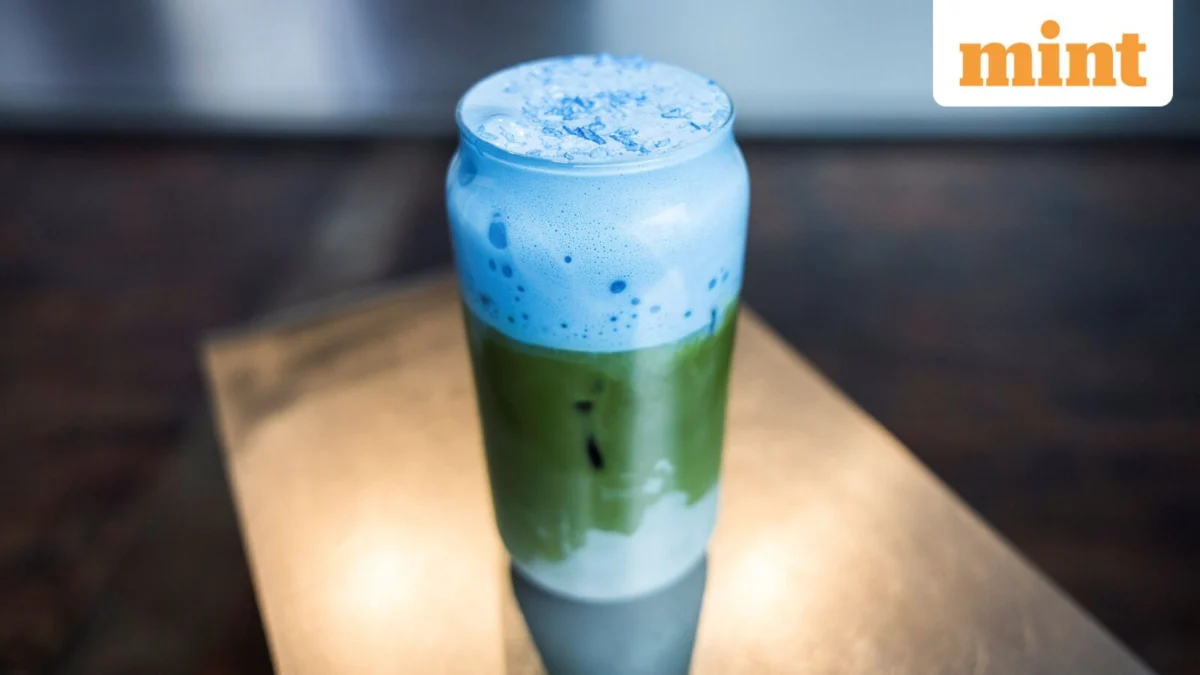
India’s burgeoning cafe sector, a vibrant segment within the nation’s quick-service restaurant (QSR) landscape, is increasingly banking on a diverse portfolio of premium beverages to fuel its robust expansion. This strategic pivot towards high-value offerings, from artisanal matcha lattes to exotic bubble teas and Vietnamese coffee variations, reflects a broader shift in consumer preferences and a growing appetite for experiential dining. However, this promising growth trajectory is now confronting significant headwinds from an intensifying global supply squeeze, driving up the cost of critical imported ingredients and placing considerable pressure on operational margins for operators across the country.
The Indian cafe market, estimated to be growing at a compound annual growth rate (CAGR) exceeding 10% and projected to reach over $4 billion by the mid-2030s, is undergoing a profound transformation. Consumers, particularly the digitally native Gen Z and affluent millennials, are demonstrating a pronounced willingness to pay a premium for unique flavor profiles and high-quality ingredients. While conventional hot beverages and standard cold drinks like iced teas and sodas typically retail between ₹100-₹200, specialty drinks command prices ranging from ₹250 to ₹450. This segment, offering superior gross margins and opportunities for seasonal innovation, has become a cornerstone of revenue generation for both multinational giants like Starbucks and rapidly expanding homegrown chains such as Boba Bhai, Coffee Island, and abcoffee. The specialty tea market alone in India has reportedly more than tripled in value over the past five years, now exceeding ₹1,000 crore, while the bubble tea market, valued at approximately ₹3,800 crore, is forecast to expand at an annual rate of 8.3% through 2030, underscoring the formidable momentum in this niche.
At the heart of the current challenge lies a confluence of global supply chain disruptions and surging international demand for specific, often niche, ingredients. Matcha, the finely ground powder of specially grown and processed green tea leaves from Japan, exemplifies this predicament. Global wholesale prices for matcha have escalated sharply, with increases ranging from 30% to a staggering 75% over the last year. Premium ceremonial-grade matcha, favored by high-end establishments, has seen the most dramatic price hikes, while even lower culinary grades are up by 30-50%. Industry experts point to several factors: poor harvests in key Japanese tea-producing regions, exacerbated by unpredictable weather patterns and the impacts of climate change; persistent labor shortages in the agricultural sector, particularly concerning the labor-intensive cultivation of tencha, the base leaf for matcha; and constrained production capacities for processing and stone-grinding the tea. These domestic challenges in Japan are further compounded by elevated international freight costs and a weakening Indian Rupee against major global currencies, making imports inherently more expensive.
Beyond matcha, other exotic ingredients pivotal to premium beverage menus are experiencing similar inflationary pressures. Hojicha, a roasted Japanese green tea, and yuzu, a fragrant East Asian citrus fruit, are also witnessing significant cost increases due to comparable supply chain bottlenecks and rising logistics expenses. Even foundational commodities like coffee and whey protein, integral to many premium blends, have seen their prices climb by around 20% over the past year. This broad-based inflation on imported components translates directly into higher input costs for Indian cafe chains, threatening to erode the very profitability that makes these premium offerings so attractive.

The immediate response from most established cafe operators has been to absorb these elevated costs rather than pass them directly to consumers. This strategy is driven by a desire to maintain competitive pricing, foster customer loyalty, and avoid alienating a price-sensitive market, especially as the QSR segment generally remains competitive. Dhruv Kohli, founder and CEO of Boba Bhai, a chain with approximately 100 outlets, noted that their input costs on imported ingredients have risen by roughly 5-10% over the past year, with matcha experiencing the steepest jump. Despite this, the chain has managed to absorb these increases through improved sourcing efficiencies and operational streamlining, leading to a compression of gross margins on imported ingredient-based drinks by about two percentage points. Kohli expressed optimism that this inflationary trend is a "temporary blip" that will stabilize. Similarly, Samit Khanna, co-founder of Vita Nova Gourmet (Coffee Island India), highlighted their reliance on procurement efficiencies, recipe engineering, and meticulous inventory planning to mitigate the impact of inflation on specialty ingredients while keeping menu prices stable.
However, the capacity to absorb such cost increases varies significantly with scale. Larger chains, leveraging their substantial purchasing power and robust supply chain networks, can often secure better terms from suppliers, engage in bulk forward buying, or even diversify their sourcing. Abhijeet Anand, founder of abcoffee, explained that his chain proactively purchased ceremonial-grade matcha months in advance to hedge against immediate price spikes. Smaller, independent operators, lacking such economies of scale and bargaining power, face a more acute dilemma. They are often compelled to make more frequent, smaller purchases at prevailing higher rates, making them more susceptible to market fluctuations and increasing the likelihood of passing these costs onto their clientele. This dynamic could lead to a widening price gap between large, well-capitalized chains and smaller, more agile competitors.
Despite the margin squeeze, industry observers, such as Rajat Tuli, partner and Asia-Pacific co-lead at Kearney, affirm the strategic importance of premium beverages. These offerings not only command higher price points but also significantly expand customer occasions, encouraging repeat visits and higher average order values. For instance, at Boba Bhai, beverages contribute approximately 45% of total revenue, with premium drinks elevating average order values to around ₹400 for online orders and ₹330 in-store. The appeal of these drinks extends beyond early adopters like Gen Z, permeating broader demographics and solidifying their status as permanent fixtures on cafe menus. Google search trends corroborate this, showing an eleven-fold increase in "boba tea" searches and a four-fold rise for "matcha tea" over the past five years, indicating a sustained and expanding consumer interest. Moreover, cold beverages, often featuring these premium ingredients, have demonstrated a growth rate 60% faster than hot drinks, underscoring their market vitality. Nevertheless, food items remain crucial, contributing over 40% of revenue for many cafes, highlighting the need for a balanced menu strategy.
Looking ahead, the sustained pressure on imported ingredient costs is prompting cafe operators to explore strategies aimed at reducing their dependence on overseas suppliers. The localization of supply chains is emerging as a critical objective. Boba Bhai, for example, is actively evaluating Indian-grown matcha and collaborating with domestic tea estates to develop viable hojicha alternatives. However, this transition is not without its challenges. India currently lacks commercial-scale matcha production, though a few tea estates in regions like Darjeeling and the Nilgiris are experimenting with shade-grown Japanese tea cultivars and traditional stone-grinding techniques. The output, however, remains limited and primarily caters to niche consumers, with most cafes still relying on Japanese imports for consistent flavor and quality profiles. Similarly, yuzu remains almost entirely import-dependent, as it is not commercially cultivated in India.
The long-term implications for the Indian cafe market are multifaceted. While the premiumization trend is robust and consumer demand remains resilient, the rising cost of imported inputs could necessitate strategic price adjustments if current inflationary pressures persist or intensify. This could test consumer elasticity and potentially slow the growth of the premium segment. Alternatively, it could spur greater innovation in domestic ingredient sourcing and the development of indigenous flavor profiles, fostering a more self-reliant and diversified supply chain. The ability of Indian cafe chains to adapt to these global supply dynamics, whether through strategic procurement, operational efficiencies, or successful localization efforts, will ultimately determine their sustained profitability and continued expansion in a highly competitive and evolving market. The current period represents a crucial test for the industry, pushing operators to re-evaluate their sourcing strategies and operational resilience in the face of an increasingly volatile global economic landscape.