The burgeoning integration of unmanned aerial vehicles (UAVs) into healthcare supply chains is poised to fundamentally reshape diagnostic accessibility and efficiency, particularly in the battle against diseases like tuberculosis (TB). A recent pioneering study conducted in India by the Indian Council of Medical Research (ICMR) has underscored the transformative potential of drone technology, demonstrating a dramatic reduction in both the financial burden on patients and the time required for TB diagnosis. This innovative approach offers a compelling blueprint for addressing critical logistical challenges in global public health, promising to bridge geographical divides and accelerate disease elimination efforts.
Tuberculosis remains a formidable global health challenge, with the World Health Organization (WHO) reporting approximately 10.6 million new cases and 1.3 million deaths worldwide in 2022. India, tragically, bears the largest share of this global burden, accounting for an estimated 27% of all TB cases. The complexity of TB elimination is not solely medical; it is deeply intertwined with socio-economic factors, geographical remoteness, and systemic healthcare inefficiencies. Traditional diagnostic pathways often necessitate arduous journeys for patients from rural and underserved areas to centralized testing facilities, incurring significant out-of-pocket expenditures (OOPE) and prolonged diagnostic delays. These obstacles not only exacerbate patient suffering but also contribute to continued disease transmission within communities.
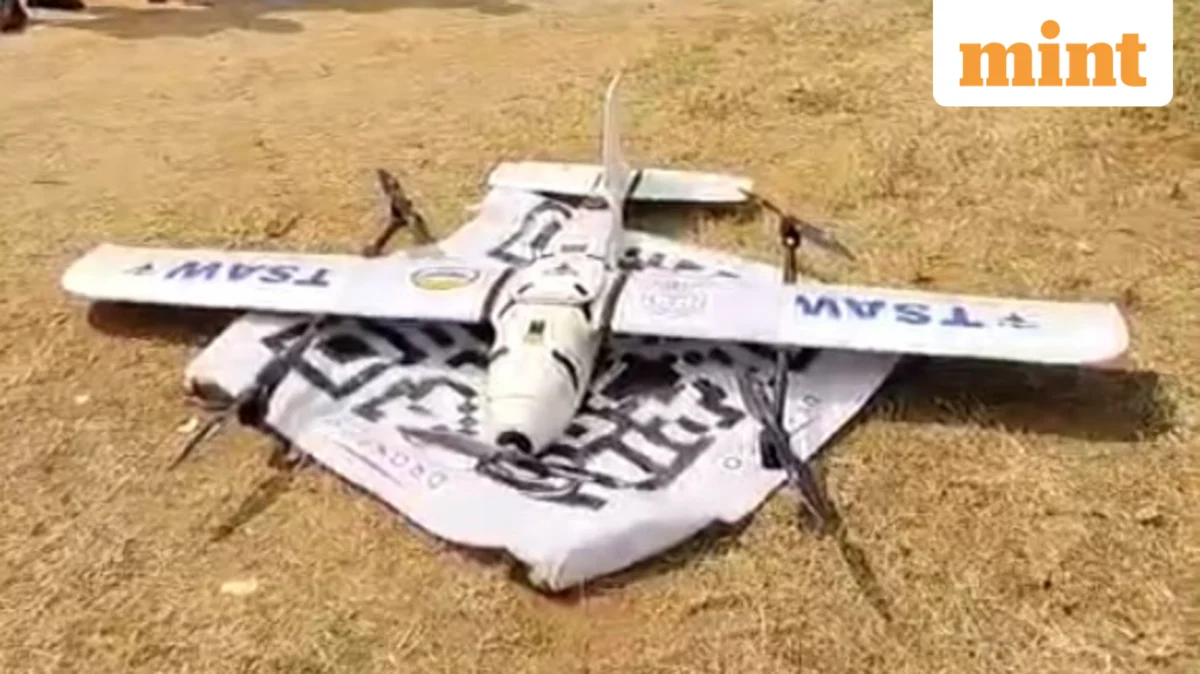
The ICMR’s i-DRONE initiative, piloted in Telangana’s Yadadri-Bhuvanagiri district, directly confronted these systemic hurdles. By establishing a robust hub-and-spoke network that connected 11 Primary Health Centres (PHCs), 60 sub-centres, and four central TB Units, the project enabled patients to submit sputum samples at local health facilities far closer to their homes. The samples were then swiftly transported via drones to the central diagnostic laboratories. The results were nothing short of revolutionary: the average out-of-pocket expenditure for patients seeking TB diagnosis plummeted from an estimated ₹9,451 (approximately $113 USD) under conventional transport methods to a mere ₹91 (approximately $1.09 USD) during the drone-enabled phase. Notably, the median OOPE in the drone phase was zero, signifying that a substantial number of participants incurred no travel-related expenses whatsoever. This stark reduction in financial burden is a critical step towards achieving health equity, preventing patients from falling deeper into poverty due to healthcare costs.
Beyond financial relief, the time efficiency gains were equally profound. The duration from sample collection to the receipt of a laboratory report, which typically stretched to 15 days, was compressed to an impressive five days. This acceleration in diagnosis has profound implications for public health. Faster confirmation of the disease allows for earlier initiation of treatment, which is crucial for improving patient outcomes, reducing the severity of illness, and, most importantly, curbing the onward transmission of TB. Each day of delayed diagnosis represents a lost opportunity to prevent further infections within households and communities. The molecular diagnostic tests utilized, such as cartridge-based nucleic acid amplification tests (CBNAAT) and Truenat assays, further ensure high accuracy and rapid results, complementing the logistical speed of drone transport.
The economic ramifications of this pilot extend far beyond individual patient savings. The high expenses associated with traditional transport—covering repeated travel, food, accommodation, and the invaluable loss of daily wages for both patients and their accompanying family members—represent a significant drag on household economies in developing regions. By alleviating these costs, drone logistics not only improve individual financial stability but also indirectly boost local economic productivity. A healthier workforce, unburdened by chronic illness and costly healthcare journeys, contributes more effectively to the economy. From a macro perspective, reduced disease prevalence stemming from faster diagnosis and treatment translates into lower overall healthcare system expenditures in the long run, freeing up resources for other critical health interventions.
This initiative aligns perfectly with India’s ambitious National TB Elimination Programme (NTEP), which aims to eliminate TB by 2025. The program, which provides free medical tests at public health facilities, recognizes that the indirect costs of seeking diagnosis often present a greater barrier than the direct cost of the test itself. The 2025 global tuberculosis report confirmed a 21% decline in India’s overall TB incidence rate, and innovations like i-DRONE are instrumental in sustaining and accelerating this progress. In 2024 alone, India notified 2.607 million TB cases, highlighting the immense scale of the challenge and the necessity for scalable, efficient solutions.
The success of the i-DRONE project in Telangana is not an isolated phenomenon but rather a testament to a burgeoning global trend in healthcare logistics. Across India, governmental and state authorities have already deployed drones for the delivery of vaccines, life-saving medicines, and blood units to isolated communities in geographically challenging regions like Uttarakhand, Himachal Pradesh, and the northeastern states, where rugged terrain renders traditional road transport slow or often impassable. Internationally, countries such as Rwanda and Ghana have pioneered the use of drones for medical deliveries, notably through partnerships with companies like Zipline, which have demonstrated significant improvements in maternal health survival rates and maintained consistent vaccine stocks in remote villages, particularly during seasonal floods or other emergencies. These global precedents underscore the viability and scalability of drone technology in strengthening healthcare infrastructure.
The integration of drones into healthcare delivery systems, however, is not without its challenges. Regulatory frameworks need to be robust yet adaptable, ensuring safety and security while facilitating innovation. Issues such as airspace management, drone operator training, maintenance protocols, and data security require careful consideration. Investment in advanced drone technology, including models with increased payload capacity, extended range, and enhanced autonomy, will be crucial for scaling operations. Furthermore, integrating drone logistics seamlessly with existing digital health platforms and electronic health records will maximize efficiency and data utility.
Dr. Rajiv Bahl, secretary of the Department of Health Research and director general of ICMR, aptly highlighted the long-term value of these structural results, stating that such studies demonstrate how technology can effectively bridge geographical barriers and alleviate patient burdens, especially for those in remote areas. The evidence generated through initiatives like i-DRONE will be pivotal in shaping future public health innovations and serving as a supportive framework alongside existing medical infrastructure.
Looking ahead, the expansion of drone-enabled logistics holds immense promise for transforming healthcare access and outcomes worldwide. It represents a paradigm shift from a reactive healthcare model to a proactive, technologically advanced system capable of reaching the unreached. As global health systems continue to grapple with infectious diseases, climate change impacts, and evolving demographic needs, innovative solutions like drone delivery will be indispensable. The cost-effectiveness, speed, and reach offered by UAVs present a compelling case for widespread adoption, promising a future where geographical isolation no longer dictates access to essential diagnostics and life-saving treatments, thereby fostering true health equity on a global scale.