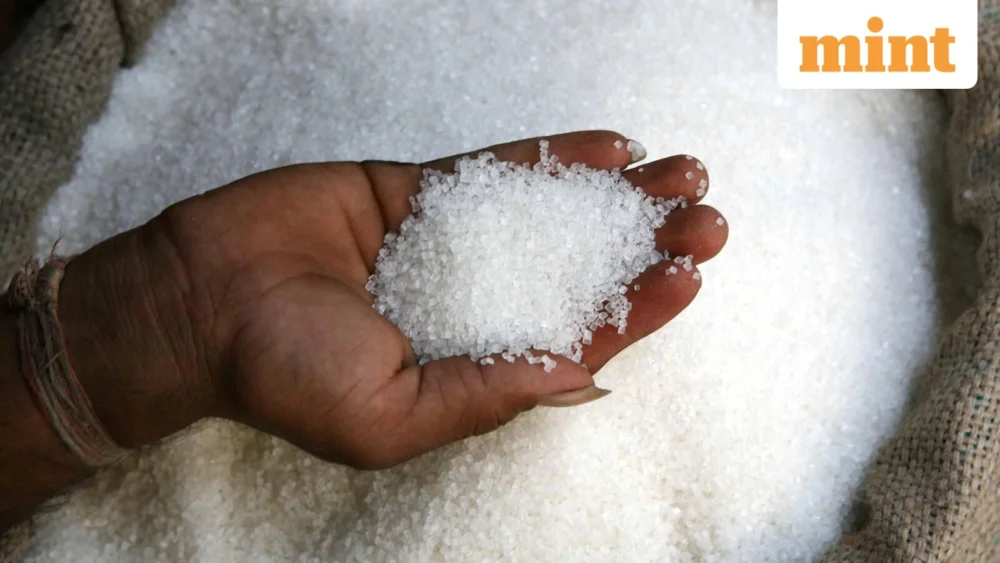
India, a nation synonymous with vibrant festivals and a culinary heritage steeped in sweetness, is witnessing a profound shift in its relationship with sugar. From the syrupy indulgence of jalebis to the milk-soaked delights of rasgullas and the rich, fried gulab jamuns, sugar has historically been an indispensable element of Indian celebrations, rituals, and daily life. Yet, this deeply ingrained cultural affinity is now confronting a formidable adversary: a burgeoning public health crisis and a dramatic generational re-evaluation of dietary habits. The country, the world’s second-largest sugar producer and a major consumer, is experiencing a significant plateauing, and soon, a projected decline, in its domestic sugar consumption, signalling a transformative era for its agricultural and industrial landscape.
This emerging trend is starkly reflected in recent projections from key industry bodies. The Indian Sugar and Bio-Energy Manufacturers Association (ISMA) anticipates a mere 1.42% rise in sucrose consumption this fiscal year. More tellingly, other industry forecasts suggest an outright decline in the subsequent fiscal year. This subdued outlook stands in sharp contrast to the pre-pandemic period, when India’s sugar consumption grew robustly at an annual rate of 4.1%. Post-pandemic, this growth decelerated to approximately 2.1%, and has now largely stagnated, indicating that the nation’s demand for table sugar has reached a definitive plateau. Deepak Ballani, Director General of ISMA, notes that domestic consumption is expected to increase only marginally to around 28.5 million tonnes in the 2025-26 season from 28.1 million tonnes in 2024-25, a figure sharply below the 29 million tonnes consumed in FY24. Prakash P. Naiknavare, Managing Director of the National Federation of Cooperative Sugar Factories Ltd, reinforces this, predicting a decline after the 2025-26 period, as consumers actively seek out alternatives like stevia and other natural sweeteners.
At the heart of this dietary evolution lies India’s staggering diabetes burden. With over 100 million diagnosed cases, India trails only China in the global count, and an additional 136 million individuals are grappling with pre-diabetic conditions. The scientific consensus unequivocally links high sugar intake to a spectrum of non-communicable diseases (NCDs), including Type-2 diabetes, cardiovascular ailments, obesity, and other severe metabolic health risks. This public health emergency has catalysed a societal awakening, particularly among the younger, more urbanised demographics. Healthcare professionals across the nation are largely welcoming the deceleration in sugar consumption, viewing it as a critical step towards mitigating the escalating health crisis. Dr. Monashis Sahu, a Delhi-based endocrinologist, highlights that rising awareness about metabolic disorders is compelling consumers to consciously reduce added sugars and seek healthier substitutes. This paradigm shift, driven by improved preventive healthcare literacy, is expected to structurally depress per capita sugar consumption growth for the foreseeable future.
The changing consumer landscape is characterised by a palpable shift in preferences. While traditional sweets remain culturally significant, a growing segment of the population, particularly the youth, is exhibiting heightened health consciousness and meticulously monitoring their dietary sugar intake. This demographic dividend, increasingly exposed to global health trends and fitness narratives, is actively exploring natural sources of sweetness such as jaggery, dates, and fruit-derived sugars, perceived as intrinsically healthier alternatives. The market for these natural sweeteners, as well as low-calorie options like stevia, is experiencing robust growth, reflecting a broader movement towards ‘clean eating’ and wellness. However, the adoption of artificial sweeteners, while offering a sugar-free alternative, is also met with caution. Dr. Niranjan Hiremath, a senior consultant in cardiovascular and aortic surgery at Apollo Hospital, Bangalore, warns that excessive consumption of artificial sweeteners has been linked to potential harmful effects, including certain cancer risks, prompting a nuanced approach to sugar substitutes.
The implications for India’s vast sugar industry are multifaceted and significant. On the supply side, the 2025-26 season projects a nearly one-fifth increase in sugar output to 30.95 million tonnes, up from 26.1 million tonnes in 2024-25. This surge is primarily attributed to favourable rainfall and adequate reservoir levels, leading to improved sugarcane yields and recovery, with total sugarcane acreage estimated at 5.73 million hectares. This scenario of rising production juxtaposed with plateauing or declining domestic demand presents a formidable challenge for sugarcane farmers and sugar mills. Surplus production, if not adequately managed, can depress prices, impacting farmers’ incomes and the financial viability of mills, potentially leading to payment delays for cultivators.

Furthermore, the global market for sugar presents its own set of hurdles. India’s sugar exports have slowed considerably as domestic prices are no longer competitive against those from major global players like Brazil. Brazil’s cost efficiencies, often bolstered by vast land availability, advanced agricultural practices, and favourable currency dynamics, allow it to offer sugar at more attractive international prices. This diminished export competitiveness exacerbates the domestic oversupply issue, urging a re-evaluation of strategic alternatives for the Indian sugar sector.
One crucial avenue for managing surplus sugar and supporting the industry lies in the government’s ethanol blending programme. Pramod Patwari, Chief Financial Officer at Balrampur Chini Mills Ltd, one of the country’s largest sugar producers, advocates for a robust policy framework akin to the National Policy on Biofuels (NPB) 2018. This policy had incentivised the diversion of sugar towards ethanol production, with prices linked to the Fair and Remunerative Price (FRP) of sugarcane, thereby providing a dual benefit of energy security and sugar surplus management. Patwari highlights a critical misalignment: while the FRP for sugarcane has increased by approximately 16.5% over the last three years, there has been no corresponding increase in the ethanol procurement price. This disparity renders ethanol production less viable for mills, potentially leading to reduced diversion of sugar, further contributing to surplus stock, and creating financial strain that could delay payments to farmers. Rectifying this imbalance is seen as essential for the long-term sustainability of the sugar industry and the welfare of millions of sugarcane farmers.
While household consumption of sugar shows signs of stagnation, a significant compensatory trend is the increasing reliance on institutional demand. Analysts anticipate that the bulk of incremental sugar consumption will be driven by the faster expansion of food services, quick-service restaurants (QSRs), and packaged beverages. These sectors, collectively, form the core of institutional consumption, which currently accounts for a substantial 65% of total sugar demand, encompassing food and beverage (F&B) companies, hotels, restaurants, and catering (HoReCa), and processed food manufacturers. Households now constitute the remaining share.
Poonam Upadhyay, Director at Crisil Ratings, corroborates this, stating that momentum in India’s sugar consumption will largely be sustained by institutional demand, with F&B companies playing a pivotal role in shaping the industry’s growth trajectory. This shift indicates a transformation from direct, in-home sugar use to indirect consumption embedded within prepared foods and beverages, especially during social gatherings and out-of-home dining experiences. While household demand remains steady, it is not expected to grow significantly. However, a parallel trend sees a wider adoption of branded sugar among mid-income urban and semi-urban consumers, even as more affluent segments continue their journey towards health-consciousness and sugar reduction. This dynamic illustrates a complex market where convenience and aspirational branding coexist with a growing emphasis on wellness.
Looking ahead, the Indian sugar sector faces a delicate balancing act. The imperative to address a national health crisis by encouraging reduced sugar intake must be reconciled with the economic realities of supporting millions of sugarcane farmers and ensuring the viability of sugar mills. Strategic diversification into value-added products, such as specialty sugars or sugar derivatives, alongside a robust and economically viable ethanol programme, will be critical. Furthermore, investments in research and development for alternative sweeteners and low-sugar product formulations by F&B companies will likely define the future landscape. India’s journey from a nation with an insatiable sweet tooth to one grappling with its health and economic implications is a microcosm of broader global shifts, demanding innovative policy responses and adaptive industry strategies to navigate this evolving sweet revolution.