The once niche pursuit of second-hand shopping has burgeoned into a formidable force within the global retail landscape, reshaping consumer habits, brand strategies, and investment paradigms. This evolution, fueled by technological innovation, shifting consumer values, and a growing imperative for sustainability, has transformed the resale market from a fringe activity into a mainstream economic engine. It represents the tangible application of circular economy principles, where products are intentionally designed, utilized, and then re-enters the lifecycle, extending their utility and minimizing waste. From the runway to the electronics aisle, the acquisition of pre-owned goods is no longer a compromise but a conscious choice, fundamentally altering perceptions of ownership and consumption. This seismic shift presents significant opportunities for marketplaces and investors, while simultaneously posing complex challenges as they navigate an increasingly sophisticated and dynamic resale ecosystem.
Industry analysis indicates a robust expansion ahead. A recent comprehensive report by Retail Economics in conjunction with MPB, titled "Second-Hand, First Choice: The Psychology of Recommerce," estimates the global recommerce market, excluding vehicles, to be valued at approximately $220 billion. This figure is projected to witness substantial growth, with an anticipated increase of nearly 80 percent by 2028 across key markets in the United States, the United Kingdom, France, and Germany. While escalating living costs have undoubtedly heightened the appeal of value for consumers, the underlying drivers of this boom extend far beyond mere cost savings. This phenomenon reflects a profound cultural and generational recalibration. Younger demographics, particularly Millennials and Generation Z, are increasingly distancing themselves from the disposable ethos of fast fashion and fleeting technological trends. Instead, they are gravitating towards items that articulate personal identity and ethical considerations. Purchasing second-hand has thus evolved into a lifestyle statement, a method of engaging with consumption that is imbued with purpose and allows for the expression of individuality.
Beyond the economic rationale, the resale market delivers tangible environmental benefits. Each pre-owned item acquired averts the need for new manufacturing processes, thereby conserving resources and significantly reducing carbon emissions. For consumers aspiring to a more conscious lifestyle, the resale sector offers an accessible and rewarding pathway to contribute to a more responsible and less wasteful global economy.
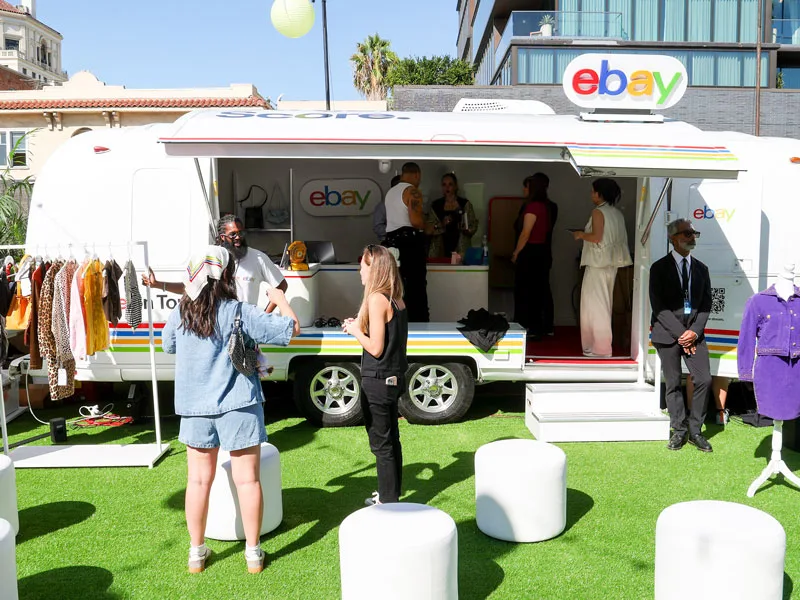
The professionalization of the resale sector is a critical factor underpinning its meteoric rise. Modern resale marketplaces are characterized by sophisticated, technology-driven platforms that seamlessly blend convenience with a strong emphasis on trust and authenticity. Platforms like Depop have redefined the fashion resale experience by integrating social media-like discovery features with e-commerce functionalities. Similarly, Vestiaire Collective has cultivated a strong reputation for its rigorous authentication of luxury fashion items. Established players such as Vinted, ThredUp, and eBay have also expanded their certified pre-owned programs, further solidifying the integration of resale into the broader retail framework.
At the vanguard of this transformation is technology, not merely as an enabler but as a transformative agent. Artificial intelligence (AI) is now instrumental in refining the consumer search process, offering personalized recommendations, facilitating dynamic pricing, and curating highly individualized shopping journeys. Advanced logistics networks are streamlining the buying and selling experience, incorporating integrated systems for efficient shipping, returns, and the management of reverse supply chains. Moreover, many platforms leverage expert authentication teams or employ blockchain-based verification systems to authenticate the provenance of high-value items. These technological advancements collectively mitigate the friction and skepticism that historically characterized second-hand transactions, imbuing the resale market with the polish and professionalism akin to traditional retail.

For investors, the burgeoning resale and circular economy represents a compelling market opportunity with substantial long-term value potential. The sector’s appeal lies in its dual offering of robust growth prospects coupled with strong Environmental, Social, and Governance (ESG) credentials. Venture capital and private equity firms are increasingly directing capital towards businesses that prioritize product lifespan extension through refurbishment and repair models. These ventures not only generate attractive financial returns but also demonstrably contribute to sustainability objectives. The investment thesis is straightforward: as natural resources become increasingly scarce and regulatory pressures concerning waste and emissions intensify, circular business models are strategically positioned for superior performance. The inherent resilience of the sector during economic downturns, driven by sustained consumer demand for value, further enhances its stability, rendering resale and refurbishment a rare confluence of defensive and growth investment characteristics.
Investment funds are now concentrating their efforts on scalable, technology-centric platforms that optimize circularity across diverse industries, including fashion, electronics, and furniture. For investors, supporting these forward-thinking companies represents a prudent strategy for future-proofing portfolios against evolving consumer expectations and escalating regulatory demands. The circular economy is increasingly demonstrating that profitability and corporate responsibility are not mutually exclusive but rather synergistic, an equation that the financial sector is readily embracing.
Established retailers are confronting a paradigm shift, where the traditional linear model of "sell, discard, repeat" is increasingly at odds with evolving consumer expectations and stringent ESG mandates. This has prompted many brands to actively integrate resale and repair services directly into their operational frameworks. Patagonia’s Worn Wear initiative, IKEA’s product buy-back programs, and the certified pre-owned collections from luxury houses like Gucci and Burberry are emblematic of this strategic pivot towards more circular retail practices. These endeavors not only extend the lifespan of products but also unlock new revenue streams. By managing resale within their own ecosystems, brands can exert greater control over product quality and capture residual value that would otherwise flow to third-party marketplaces. This approach also empowers retailers to showcase tangible progress toward sustainability targets, a critical factor for attracting both investors and consumers.
Despite its impressive growth, the sustained success of the resale sector is fundamentally contingent upon building and maintaining consumer trust. The persistent threat of counterfeit goods and fraudulent misrepresentation remains a significant challenge, particularly within the luxury and electronics segments. Consequently, platforms that are investing heavily in robust authentication and verification processes are poised to achieve lasting prominence. AI-powered algorithms capable of identifying photographic anomalies, blockchain-based provenance tracking, and specialized teams dedicated to inspecting and certifying goods prior to listing are rapidly becoming industry benchmarks. These measures not only safeguard consumers but also preserve the brand equity of companies venturing into the pre-owned market. The integration of insurance solutions further fortifies this framework, offering financial recourse against misrepresentation or product defects.
Consumers increasingly demand assurance that their purchases, whether refurbished electronics, pre-owned luxury handbags, or vintage furniture, are protected. Insurers are responding by developing tailored products that address these specific needs, covering risks such as counterfeiting, misrepresentation, or unforeseen faults. Companies like Bolttech, Cover Genius, and Embri are collaborating with marketplaces and retailers to offer embedded insurance solutions, making coverage easily accessible at the point of sale. Platforms such as Oyster integrate protection plans directly into online checkout processes, ensuring buyers receive peace of mind without added complexity. By providing this essential safety net, insurers are playing a pivotal role in legitimizing the resale sector, thereby encouraging consumers to engage with higher-value pre-owned items. For marketplaces, offering embedded insurance has become a crucial differentiator, enhancing trust and providing invaluable reassurance to their user base.
In the United Kingdom, Back Market offers comprehensive coverage for refurbished mobile devices against damage. Katy Medlock, its General Manager, highlights the ongoing efforts to build consumer confidence: "While the refurbished tech movement is growing in the UK, many people still consider pre-loved gadgets a risk. Our insurance is part of an ongoing commitment and we hope this will give more customers peace of mind that their refurbished device is covered and the confidence to swap something ‘new’ for something that’s ‘like new’.”

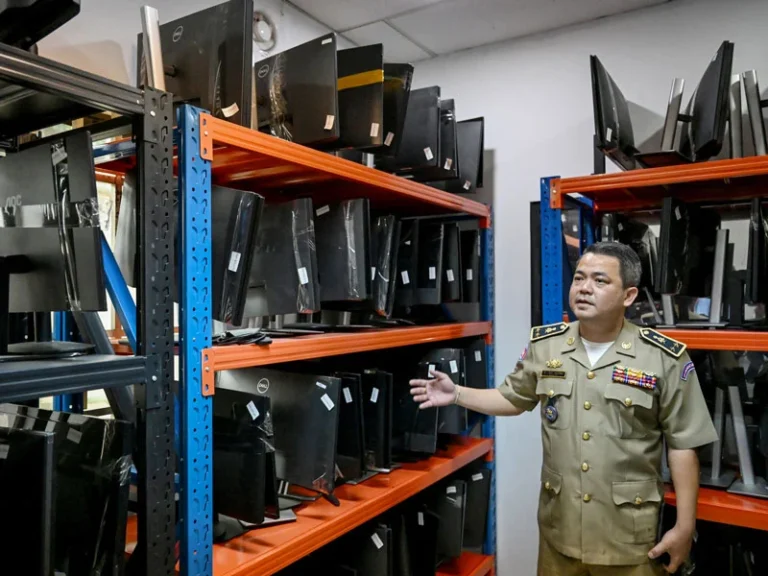
The environmental advantages of the resale market are irrefutable. By extending product lifecycles, the demand for new manufacturing is curtailed, leading to the conservation of precious raw materials and a substantial reduction in carbon emissions. This impact is particularly pronounced in resource-intensive sectors such as fashion, which accounts for approximately 10 percent of global emissions, and electronics, where production entails significant energy consumption and mineral extraction. The acquisition of a refurbished smartphone or laptop, for instance, effectively bypasses the carbon footprint associated with manufacturing a new device, a compelling advantage for environmentally conscious consumers.
However, sustainability within the resale sphere is not an inherent outcome. The emergence of "fast resale," characterized by the rapid turnover of second-hand goods driven by trends and social media influence, can inadvertently foster overconsumption rather than genuinely displace new purchases. In such scenarios, the intended environmental benefits may be diluted. Genuine sustainability hinges on the quality of refurbishment processes and the implementation of systems that prioritize reuse over mere replacement. The most responsible stakeholders are actively addressing this by investing in transparent supply chains and low-carbon logistics. Their ongoing challenge lies in ensuring that the circular economy remains truly circular, rather than evolving into a new iteration of fast consumption with a superficial green veneer.
As the resale sector continues its trajectory toward becoming a major global industry, regulatory scrutiny is an inevitable consequence. Disparities in warranty regulations and return policies across different markets can generate confusion and impede cross-border trade. A move towards greater standardization would significantly benefit both consumers and platforms, simplifying compliance procedures and fostering enhanced trust. Another critical challenge lies in logistics. Effectively managing returns and restocking operations introduces considerable cost and complexity. The development of efficient reverse supply chains, capable of collecting and redistributing products at scale, is paramount for maintaining profitability. Companies that master operational efficiency alongside robust consumer engagement will emerge as leaders in this evolving landscape.
The trajectory of the resale market strongly indicates continued acceleration. A convergence of heightened consumer awareness and increasing technological sophistication is making the acquisition of second-hand goods increasingly desirable. For marketplaces, the primary opportunity lies in achieving responsible scale: harmonizing convenience with credibility and profit with purpose. For traditional retailers, the imperative is to embed circularity as a fundamental structural element of their business models.
Entities that successfully navigate these imperatives will redefine the very concept of ownership, transforming products from disposable commodities into enduring assets with extended lifespans. The future of consumption will be characterized not by incessant replacement but by continuous renewal. The ascendant resale market unequivocally demonstrates that extending product longevity is not only environmentally responsible but also economically advantageous.
With global clothing resale sales reaching an estimated $197 billion in the past year and projections indicating a rise to $350 billion by 2028, alongside multi-billion-dollar valuations for refurbished technology platforms, the economic impact is undeniable. Beyond these impressive figures lies a more profound shift: a fundamental reimagining of the consumer economy that prioritizes longevity over disposability and purpose alongside profit. Companies that recognize and proactively adapt to this transformative wave will undoubtedly shape the future of retail.