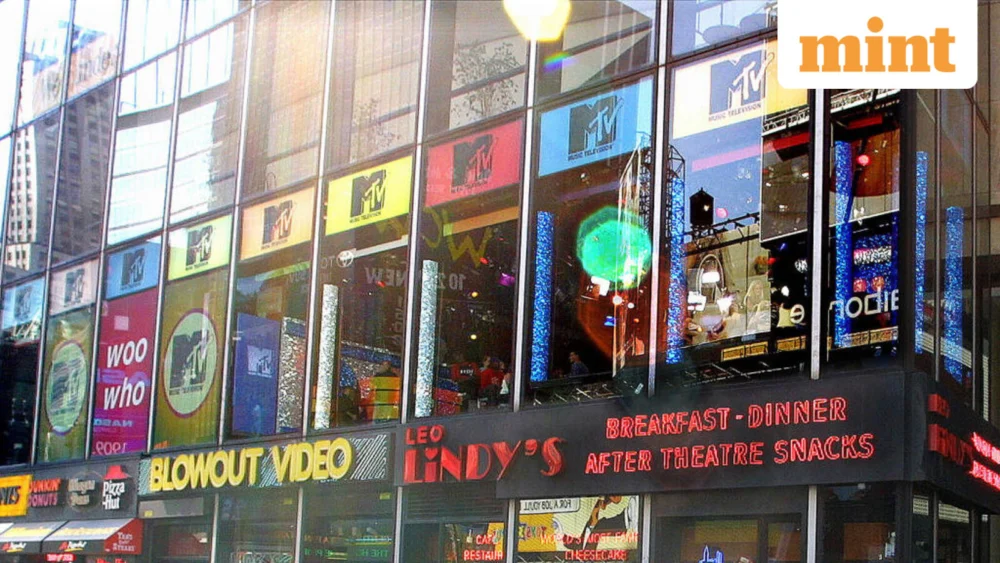
The global advertising landscape is undergoing a seismic transformation, driven by fundamental shifts in media consumption habits, particularly among younger demographics. The steady erosion of viewership for traditional linear television, especially English-language, urban-centric, and niche categories, has compelled youth-focused brands to undertake a radical reassessment of their media strategies, reallocating significant portions of their marketing budgets from conventional TV spots to the burgeoning digital ecosystem. This strategic pivot reflects not merely a tactical adjustment but a profound recognition that the locus of youth attention has irrevocably moved, forcing brands to follow suit or risk irrelevance.
For decades, channels like MTV served as cultural epicenters, curating trends and providing a dedicated stage for youth marketing. Their content ecosystem—ranging from reality shows and music properties to campus events—was an indispensable conduit for brands aiming to build relevance with aspirational, urban audiences. However, the diversification of such networks, including the closure of dedicated music channels globally and their pivot towards broader youth-driven programming and live entertainment in markets like India, signals a broader structural challenge. While English-language channels historically constituted a modest 3-5% of the overall television advertising pie in many markets, their value was disproportionate to their share, reaching affluent, early-adopting, and trend-setting audiences who were not easily accessible elsewhere. Their decline has thus created a discernible void in premium, brand-safe environments on traditional television.
Brands that once relied on these established networks are now channeling their investments into over-the-top (OTT) streaming platforms, YouTube, and an array of short-form video applications where youth engagement is demonstrably stronger. The transition is marked by a shift from broad linear sponsorships to more nuanced strategies: creator collaborations, authentic short-form video storytelling, and highly targeted, influencer-led activations. This strategic evolution prioritizes delivering fragmented yet deeply engaged interactions over mass, undifferentiated reach. The objective is no longer to simply impose a brand message but to integrate it seamlessly into the consumer’s digital journey, fostering genuine connections in an increasingly attention-scarce environment.
The impetus behind this reallocation is the undeniable fact that the attention spans of younger generations are increasingly fragmented. Digital natives, particularly Gen Z and younger millennials, exhibit a pronounced preference for on-demand content, personalized feeds, and interactive experiences across multiple devices. Data from leading market research firms like eMarketer consistently shows a declining trend in linear TV viewership among these cohorts, while time spent on social media, streaming services, and gaming platforms continues to surge. For instance, global digital ad spending surpassed TV ad spending years ago and continues to widen the gap, projected to reach over 70% of total media ad spending by 2026 in many developed markets. This provides brands with granular data, allowing for hyper-targeted campaigns based on demographics, interests, and real-time behavior, a level of precision largely unattainable with traditional television.

The digital landscape offers a diverse toolkit for advertisers. Instead of conventional TV spots, brands are leveraging connected TV (CTV) ads, programmatic advertising across streaming platforms, and interactive content formats that encourage user participation. The focus has decisively moved from simply achieving broad reach to cultivating authentic engagement and fostering a sense of community around the brand. As industry experts note, the challenge lies in remaining visible and relevant in an ever-changing digital world, requiring a consumer-centric approach that adapts to evolving preferences rather than dictating them. Brands catering to lifestyles and aspirations – including consumer goods giants (cola, snacks), telecom operators, smartphone manufacturers, personal care labels, automotive brands with lifestyle models, and fashion houses – are at the forefront of this migration.
However, the transition is not without its complexities. While traction on streaming and social platforms is robust, monetisation models remain distinct from those of mass-entertainment linear channels. The traditional "appointment viewing" model has largely given way to algorithmic discovery, meaning brand loyalty must now be built show by show, and crucially, creator by creator. Premium English content, despite its niche appeal, often lags behind mass entertainment in terms of ad CPMs (Cost Per Mille – the cost per thousand views) and direct subscription pull. This necessitates hybrid monetisation models, where connected TVs are funded by brands, content creators engage in cross-platform collaborations, international library licensing plays a significant role, and live-event tie-ins provide additional revenue streams.
The economic implications for content producers are significant. While a well-made show on an OTT platform can garner strong niche traction and critical acclaim, recouping substantial production costs often requires securing multi-territory licensing, robust ad-supported revenue, or platform exclusivity that generates substantial subscriber revenue. Average Revenue Per User (ARPU) on OTT in many emerging markets, despite growing rapidly, can still be lower than the high CPMs traditionally commanded by premium linear TV slots. Practical challenges include discoverability in a crowded content ecosystem, the need for subtitles or dubbing to achieve broader scale, and smaller advertiser pools for premium English-language shows unless they achieve pan-national or global audience penetration. Essentially, while creator traction and digital engagement are strong, monetisation frequently demands multiple windows and diverse revenue streams.
From a cultural perspective, the decline of dedicated youth TV channels represents a loss of a curated cultural stage that helped define youth trends for decades. Commercially, however, the market adapts with remarkable speed and agility. Ad dollars are relentlessly migrating to where the target audience resides: social media, YouTube, OTT platforms, and highly targeted digital campaigns. The shift underscores a fundamental change in how value is perceived and exchanged in the media ecosystem. Brands are increasingly investing in sophisticated analytics to measure engagement, track conversions, and optimize ad spend in real-time, moving beyond traditional reach and frequency metrics.
The future of youth marketing is undeniably digital-first, characterised by hyper-personalisation, interactivity, and authentic engagement. Brands must navigate a fragmented landscape, strategically leveraging data and creative storytelling to forge meaningful connections. This necessitates continuous innovation in content formats, a deeper understanding of platform algorithms, and a commitment to fostering genuine relationships with both creators and consumers. The era of broad, passive consumption is giving way to an active, participatory media environment, and brands that embrace this evolution will be best positioned to capture the hearts and wallets of the next generation.