The era of the "peace dividend," which defined European economic growth for three decades following the fall of the Berlin Wall, has officially drawn to a close, replaced by a complex landscape of systemic instability that is fundamentally reshaping the continent’s investment thesis. For institutional and retail investors across the Eurozone and the United Kingdom, the coming year represents a critical inflection point where traditional fiscal metrics—such as corporate earnings and central bank interest rate trajectories—are being eclipsed by the unpredictable shifts of global power politics. This "geopolitical premium" is no longer a peripheral concern; it is the primary driver of market volatility, forcing a radical reassessment of risk management, asset allocation, and long-term strategic planning.
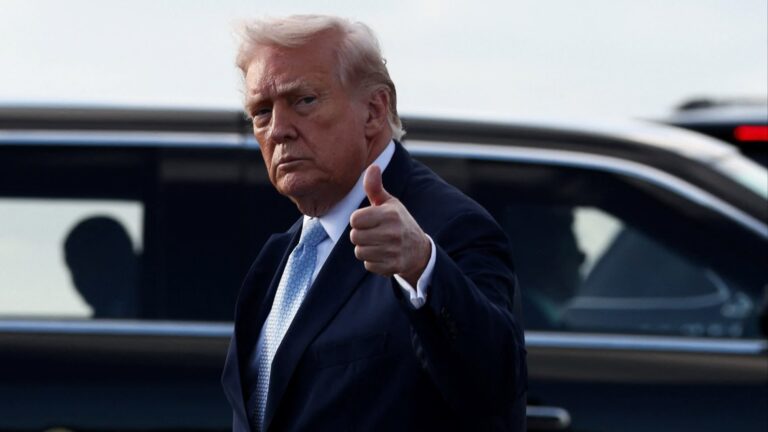
Central to this atmosphere of uncertainty is the looming specter of the United States presidential election. For European markets, the outcome of the American vote is not merely a foreign policy curiosity but a potential economic earthquake. The prospect of a return to isolationist trade policies and "America First" protectionism has sent ripples through the boardrooms of the STOXX 600. Analysts suggest that a second term for Donald Trump could herald a universal baseline tariff on all imports, a move that would disproportionately affect European exporters, particularly the German automotive sector and the French luxury goods industry. The threat of a renewed transatlantic trade war comes at a time when the European Union is already struggling to maintain its industrial competitive edge against the dual pressures of high energy costs and aggressive Chinese subsidies.
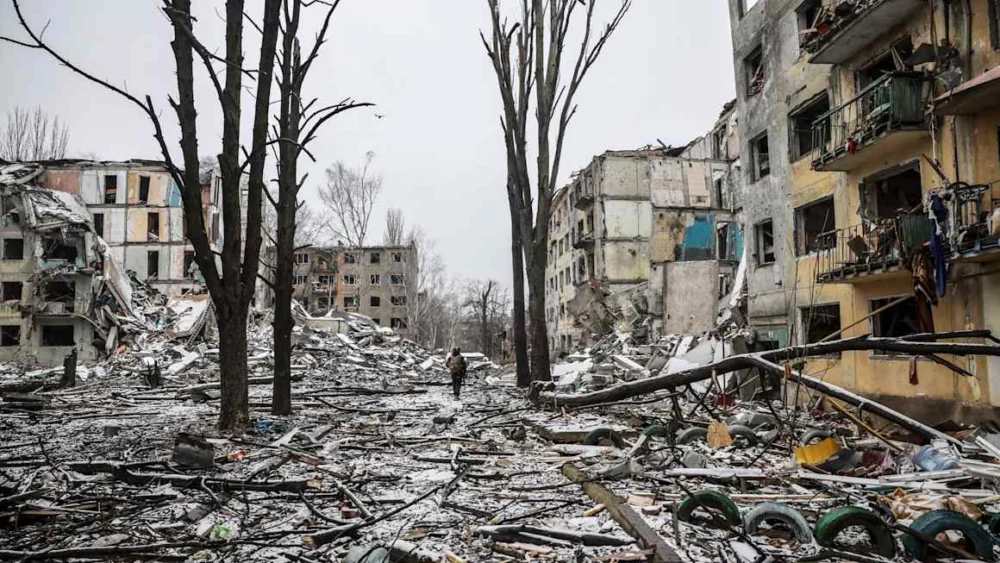
Beyond trade, the security architecture of Europe remains under its greatest strain since the mid-twentieth century. The protracted conflict in Ukraine has transitioned from a short-term shock to a permanent structural reality for European economies. While initial market reactions focused on the immediate spike in natural gas prices, the long-term implications are far more profound. European nations are now forced to divert billions of euros from social programs and green energy transitions toward defense spending. This shift toward a "war economy" footing is creating a bifurcated market: while traditional consumer-facing sectors struggle under the weight of dampened sentiment, the European defense industrial base—led by firms like Rheinmetall, BAE Systems, and Thales—has seen valuations soar. However, this growth is contingent on continued political will and the precarious nature of international aid packages, making it a high-beta play for investors.
The "China Dilemma" adds another layer of complexity to the European investment landscape. For years, the European economic model relied on a delicate balance: American security, Russian energy, and Chinese demand. With the first two pillars compromised, the relationship with Beijing has become a source of intense friction. The European Commission’s shift toward "de-risking" rather than "decoupling" reflects a desperate attempt to protect critical supply chains without triggering a full-scale trade war. However, as the EU launches anti-subsidy investigations into Chinese electric vehicles and green technologies, the risk of retaliatory measures grows. Investors in European multinationals with significant exposure to the Chinese consumer market are increasingly pricing in the possibility of "black swan" regulatory events or sudden market access restrictions.
On the southern flank, the persistent instability in the Middle East continues to haunt European inflation targets. The disruptions to shipping in the Red Sea have demonstrated the fragility of the "just-in-time" supply chain model that European manufacturers have perfected over decades. Increased freight rates and insurance premiums are acting as a "geopolitical tax" on goods, threatening to reignite inflationary pressures just as the European Central Bank (ECB) attempts to pivot toward a more accommodative monetary policy. For the ECB, the challenge is unenviable: cutting rates to stimulate a stagnating Eurozone economy risks devaluing the Euro against a strong US Dollar, especially if geopolitical tensions keep commodity prices elevated.
Domestic political fragmentation within Europe itself is also contributing to the sense of unease. The rise of populist and nationalist movements in major economies like France, Germany, and the Netherlands is complicating the process of fiscal integration and collective decision-making. Investors are closely watching the "sovereign risk" associated with shifting political alignments. A move away from centrist, pro-EU policies could stall vital reforms in the Capital Markets Union, further deterring foreign direct investment. The "fragmentation risk"—the widening gap between the bond yields of northern "core" countries and southern "periphery" nations—remains a latent threat that the ECB’s Transmission Protection Instrument (TPI) has yet to be truly tested against in a high-volatility environment.
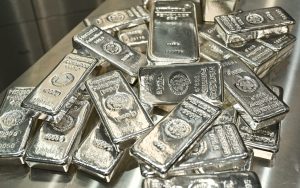
In response to these multi-dimensional threats, the nature of portfolio construction in Europe is undergoing a silent revolution. The traditional 60/40 stock-bond split is being challenged by a renewed interest in "real assets" and "geopolitical hedges." Gold, which hit record highs in early 2024, has reclaimed its status as the ultimate haven for European capital. Similarly, there is a growing trend toward "friend-shoring"—investing in companies that are relocating their supply chains to politically aligned nations. This geographic shift in capital is benefiting emerging markets in Eastern Europe and parts of Southeast Asia, even as it creates a vacuum in traditional manufacturing hubs.
Market data indicates that the correlation between geopolitical events and market drawdowns has tightened significantly. According to recent sentiment surveys from major investment banks, nearly 70% of fund managers now cite "geopolitically induced supply chain disruption" as their top tail risk, surpassing concerns over corporate debt levels or technological disruption. This has led to a surge in the use of "macro-hedging" strategies, where investors use options and futures to protect against sudden geopolitical shocks. However, these hedges are becoming increasingly expensive as the "cost of insurance" rises in a world where the next crisis feels inevitable rather than improbable.
The energy transition, once viewed as a purely environmental and economic endeavor, is now being recast as a matter of national security. The "Green Deal" is no longer just about carbon neutrality; it is about energy sovereignty. This shift is attracting a new wave of capital into European renewable energy infrastructure, hydrogen development, and nuclear power. Investors are increasingly looking for companies that can facilitate Europe’s independence from foreign fossil fuels. Yet, even here, geopolitics intervenes. The raw materials required for the green transition—lithium, cobalt, and rare earth elements—are largely controlled by the very geopolitical rivals Europe is trying to distance itself from, creating a "circular dependency" that complicates the long-term investment outlook.
For the individual investor, the current climate demands a move away from passive indexing toward active, high-conviction management. The broad-market indices of Europe are weighted heavily toward "old economy" sectors like banking, energy, and manufacturing, all of which are on the front lines of geopolitical friction. Success in the coming year will likely depend on the ability to identify "islands of stability"—sectors and companies that possess "moats" built not just on technology or brand, but on geopolitical resilience. This includes firms with localized supply chains, robust pricing power in the face of inflation, and products that are essential to the dual imperatives of defense and energy security.
As we look toward the remainder of the year, the primary lesson for European capital is that the "new normal" is characterized by the absence of a "normal" at all. The convergence of a pivotal US election, an ongoing war on the continent’s doorstep, a cooling relationship with China, and internal political fracturing has created a high-stakes environment where the penalty for complacency is severe. European investors must move beyond a mindset of "waiting for the storm to pass" and instead learn to navigate a world where the storm is a permanent feature of the economic geography. In this landscape, agility, deep geopolitical literacy, and a diversified approach to risk are no longer optional—they are the fundamental requirements for survival and growth in an age of perpetual instability.