India, the global behemoth in milk production and consumption, is experiencing a profound yet subtle transformation within its vast dairy sector. With fluid milk production projected to reach an impressive 221.4 million metric tons (MMT) by calendar year 2026, marking a 2% increase from 216.5 MMT in 2025, the nation’s capacity to meet its extensive domestic demand is undisputed. However, beneath this colossal output, a significant shift in consumer preferences and market dynamics is rapidly unfolding, heralding the mainstreaming of lactose-free dairy.
This burgeoning trend is largely propelled by a heightened public consciousness regarding health and well-being, coupled with the widespread prevalence of lactose intolerance across the Indian subcontinent. Estimates suggest that a substantial segment of the population, potentially ranging from 60% to 70% of adults, experiences varying degrees of lactose malabsorption, a condition often overlooked or misdiagnosed for generations. What was once a specialized offering, confined primarily to premium stores in metropolitan centers, is now rapidly penetrating mainstream retail channels, recording robust double-digit growth. This surge is fueled by a trifecta of convenience, product variety, and the promise of retaining traditional dairy goodness without the associated digestive discomfort. The broader dairy alternatives market, encompassing both plant-based and traditional lactose-free options, is poised for remarkable expansion, projected to reach an estimated USD 3.1 billion by 2033, underscoring the powerful consumer pivot towards digestive health solutions.
The primary catalyst for this paradigm shift is the growing recognition and clinical diagnosis of lactose intolerance. For decades, symptoms such as bloating, gas, and general gastrointestinal discomfort following milk consumption were frequently dismissed as minor ailments or attributed to other dietary factors. Today, as health awareness permeates deeper into urban and semi-urban populations, facilitated by increased access to information and medical diagnostics, a greater number of consumers are accurately linking these issues to lactose malabsorption. This heightened understanding empowers individuals to actively seek dietary remedies. The process of producing lactose-free milk is straightforward and entirely natural: the enzyme lactase, which occurs naturally in the human gut, is introduced into milk prior to its final packaging. This enzyme efficiently breaks down lactose, a complex sugar, into simpler, more easily digestible sugars such as glucose and galactose. This enzymatic hydrolysis not only renders the milk digestible for those with intolerance but also imparts a naturally sweeter taste, often reducing the need for added sugars in beverages and recipes.
A fundamental aspect of this market evolution is robust consumer education. A large and expanding demographic of urban and semi-urban consumers is actively searching for dairy solutions that align with their wellness objectives without compromising the crucial nutritional profile of traditional milk. The intrinsic appeal of lactose-free milk lies in its ability to serve as a direct, seamless substitute for regular milk. This allows consumers to continue preparing culturally significant Indian dishes like chai, kheer, or even pedas without altering time-honored recipes or sacrificing the authentic taste and texture that are integral to these culinary traditions. Market leaders are recognizing and capitalizing on this demand. Jayen Mehta, MD of Amul (GCMMF), a pioneering force in India’s dairy sector, emphasizes their commitment: "We pioneered lactose-free milk, and today we have a big range of lactose-free products. We are creating a portfolio of products… that would help at least gain consumer traction for those who are not able to digest the milk with regular lactose because of the absence of the lactase enzyme." Amul’s extensive portfolio now spans beyond fluid milk to include lactose-free ice cream, high-protein dahi, single-country coffee variants, whey protein concentrate, and even traditional Indian sweets like peda, showcasing the versatility and market potential of this category. Other domestic and international players are also entering or expanding their footprint, recognizing the untapped potential in a market where dairy is deeply interwoven with daily life and cultural identity.
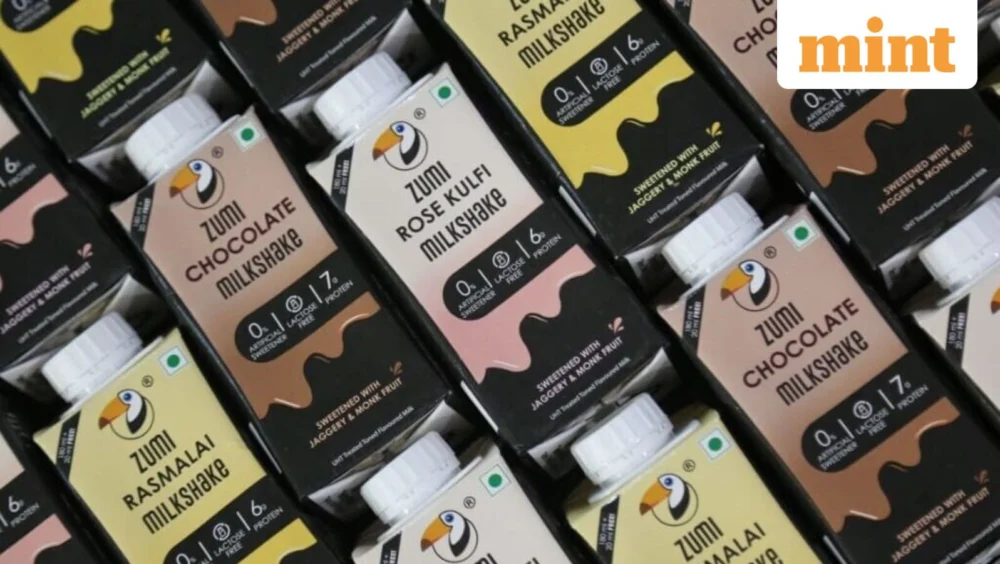
A critical enabler of the lactose-free milk phenomenon in India is the relentless innovation in packaging technology, particularly the adoption of aseptic carton containers from companies like Tetra Pak. This advancement has been instrumental in democratizing access to this specialized product category across the country’s vast and varied geographical landscape. As Thapasya Vijayaraghavan, Founder of Zumi, a start-up specializing in lactose-free milkshakes, highlights, "On the supply chain side, most lactose-free products in India today are still small-batch and cold-chain based. The critical thing to watch out for in this category is process-pack alignment. In lactose-free dairy, there’s zero room for error – every step from enzyme dosing to UHT treatment to aseptic packaging has to sync perfectly. That’s what ensures both product safety and consumer trust."
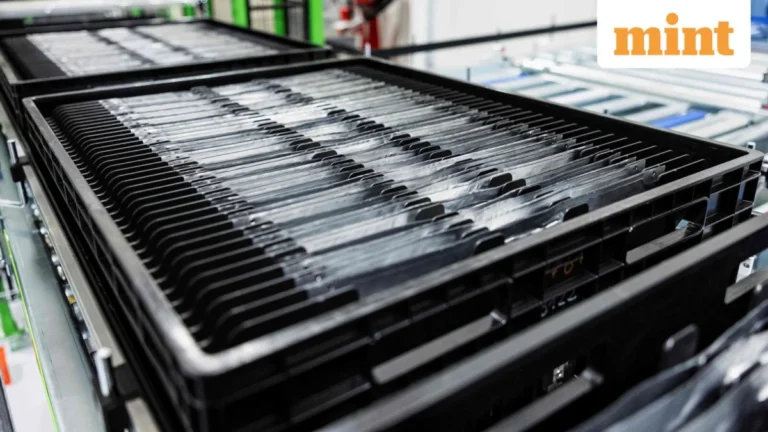
The production of lactose-free milk typically involves an Ultra-High Temperature (UHT) treatment process, where milk is rapidly heated to sterilize it, followed by sophisticated aseptic packaging. This combination offers several distinct advantages. Firstly, UHT-treated milk, when sealed in aseptic cartons, can maintain its safety and nutritional integrity for several months without requiring refrigeration until opened. This crucial feature overcomes significant logistical hurdles inherent in India’s expansive and climatically diverse supply chain, enabling brands to effectively penetrate Tier 2 and Tier 3 cities where cold chain infrastructure can be inconsistent or non-existent. Secondly, contrary to common misconceptions, these multi-layered carton packages effectively shield the milk from detrimental exposure to light, air, and microorganisms. This ensures that the product’s safety and nutritional value, including essential vitamins and minerals, are preserved throughout its extended shelf life without the need for artificial preservatives. Finally, for premium products such as lactose-free milk and milkshakes, which necessitate high-tech manufacturing processes, the extended shelf life provided by aseptic packaging renders large-scale national distribution both feasible and economically viable. This allows major players like Amul to achieve unparalleled market reach. Mehta proudly states that Amul’s lactose-free milk is available "across the length and breadth of the country. You can get lactose-free milk in Srinagar. You can get it in Madurai," illustrating the extensive penetration achieved through strategic packaging and distribution.
While the market for plant-based alternatives like almond, oat, and soy milk is also experiencing considerable growth in India, lactose-free dairy maintains a uniquely strong competitive position. It offers the best of both worlds: the familiar taste, creamy texture, and robust nutritional profile – rich in protein and calcium – of traditional dairy, without the digestive discomfort. Vijayaraghavan elaborates on these dual benefits: "Lactose-free dairy offers the best of both worlds – the nutrition and taste of real milk, without the digestive discomfort many people experience. For today’s health-conscious consumer, the first advantage is that it is lighter on the gut, making milk easier to digest and reducing bloating. The second, often overlooked benefit, is that it is naturally a little sweeter, which means you need less added sugar in everyday favorites like coffee, cereal, or milkshakes." This natural sweetness, a direct result of lactose being broken down into simpler sugars, aligns perfectly with the growing consumer trend towards reducing sugar intake.
Looking ahead, as consumer awareness continues to deepen and diagnostic capabilities improve, the lactose-free milk market in India is poised for sustained, dynamic growth. The trajectory indicates a clear transition from its current status as a specialty item to becoming a common household essential. This evolution will provide a readily available, digestive-friendly option for millions of Indians who are unwilling to forgo their daily glass of milk or the rich culinary traditions centered around dairy. The economic implications are significant, creating new avenues for product innovation, manufacturing investment, and employment within India’s vital dairy sector. This silent revolution within the world’s largest dairy market not only reflects a global health trend but also showcases India’s adaptability and innovation in meeting the evolving needs of its immense consumer base, solidifying lactose-free milk’s place as a fundamental component of the nation’s future food landscape.