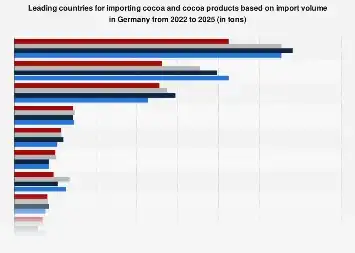
Germany is poised to maintain its position as the world’s preeminent importer of cocoa beans and related products through 2025, solidifying its role as a critical hub within the global confectionery and food manufacturing supply chains. This sustained leadership underscores the enduring consumer demand for chocolate and cocoa-derived ingredients across Europe and highlights the intricate economic dependencies that link West African producers with European processors and manufacturers. The German market’s appetite for cocoa, driven by a robust domestic chocolate industry and its strategic position as a gateway to other European markets, ensures its continued significance in international commodity flows.
The German economy, with its strong manufacturing base and high disposable incomes, has long been a powerhouse in chocolate production and consumption. Leading chocolate manufacturers, both multinational corporations and specialized artisanal producers, are headquartered or have significant operations within Germany. These companies rely on a consistent and high-quality supply of cocoa beans, primarily sourced from West Africa, particularly Côte d’Ivoire and Ghana, which together account for over 60% of global cocoa production. Projections for 2025 indicate that Germany’s import volumes will not only remain substantial but may even see incremental growth, reflecting stable consumer spending patterns and a resilient industrial sector.
Several factors contribute to Germany’s sustained dominance. Firstly, its advanced logistical infrastructure, including major ports like Hamburg and Rotterdam (strategically important for German trade), facilitates the efficient handling and distribution of bulk commodities like cocoa beans. This efficiency translates into cost advantages for processors and manufacturers, making Germany an attractive location for the industry. Secondly, the country boasts a highly developed food processing sector, equipped with state-of-the-art technology for transforming raw cocoa beans into a wide array of products, from chocolate bars and pralines to cocoa powder and butter, which are then distributed across Europe and beyond.
Market data and economic forecasts suggest that Germany’s import volume for cocoa beans and products will likely represent a significant share of global trade. While specific figures for 2025 are subject to ongoing market dynamics, historical trends and current industry analyses point towards a continuation of Germany’s leading role. For instance, in recent years, Germany has consistently ranked among the top global importers, often surpassing other major European players like the Netherlands and Belgium in terms of sheer volume and value of cocoa imports. This sustained demand is not merely for raw beans but also for semi-finished products like cocoa mass and cocoa butter, which are essential ingredients for the burgeoning European chocolate industry.
The economic impact of this import activity is multifaceted. For cocoa-producing nations, Germany represents a vital export market, contributing significantly to their foreign exchange earnings and providing livelihoods for millions of farmers. Fluctuations in German demand, therefore, can have a ripple effect on the economies of these producing countries. For Germany itself, the import of cocoa supports a substantial domestic industry that generates considerable revenue and employment. The confectionery sector, in particular, is a significant contributor to the German economy, with exports of chocolate products reaching markets worldwide.
However, the cocoa trade is not without its challenges, and these are likely to persist through 2025. Issues such as price volatility in the global cocoa market, driven by weather patterns, disease outbreaks affecting crops, and geopolitical factors, can impact import costs for German companies. Furthermore, increasing global scrutiny on sustainability, ethical sourcing, and fair labor practices within the cocoa supply chain presents both challenges and opportunities. German importers and manufacturers are increasingly under pressure from consumers and regulators to ensure that their cocoa is sourced responsibly, leading to a greater emphasis on certifications and traceability.
Global comparisons reveal Germany’s unique position. While the United States is also a major importer of cocoa, its demand patterns and processing capabilities differ. European countries, collectively, represent the largest market for cocoa, and Germany’s central role within this bloc amplifies its importance. The Netherlands and Belgium, for example, are significant trading hubs and processors, but Germany’s sheer size in terms of domestic consumption and its extensive manufacturing network often place it at the forefront of import volumes.
Looking ahead to 2025, several trends are expected to shape Germany’s cocoa import landscape. The ongoing shift towards premium and artisanal chocolate products is likely to sustain demand for higher-quality cocoa beans, potentially influencing sourcing strategies. Similarly, the growing consumer interest in plant-based diets and healthier food options could lead to increased demand for cocoa-based ingredients in alternative food products. This diversification of demand will require German processors to adapt their import strategies and potentially explore new types of cocoa beans or processing techniques.
The economic interdependence between Germany and cocoa-producing regions also necessitates ongoing dialogue and collaboration. Initiatives aimed at improving farmer incomes, promoting sustainable agricultural practices, and ensuring transparency in the supply chain are crucial for the long-term stability of the cocoa market. German companies are increasingly investing in such programs, recognizing that a stable and ethical supply chain is fundamental to their own business continuity and reputation.
In conclusion, Germany’s status as a leading cocoa importer is expected to endure through 2025, underpinned by its robust industrial base, strong consumer demand, and strategic logistical advantages. This sustained import activity not only fuels a significant domestic industry but also plays a pivotal role in the global cocoa economy, connecting African producers with European consumers and shaping the future of chocolate production worldwide. The challenges of price volatility and sustainability will continue to be defining factors, prompting innovation and adaptation within the German cocoa import sector.