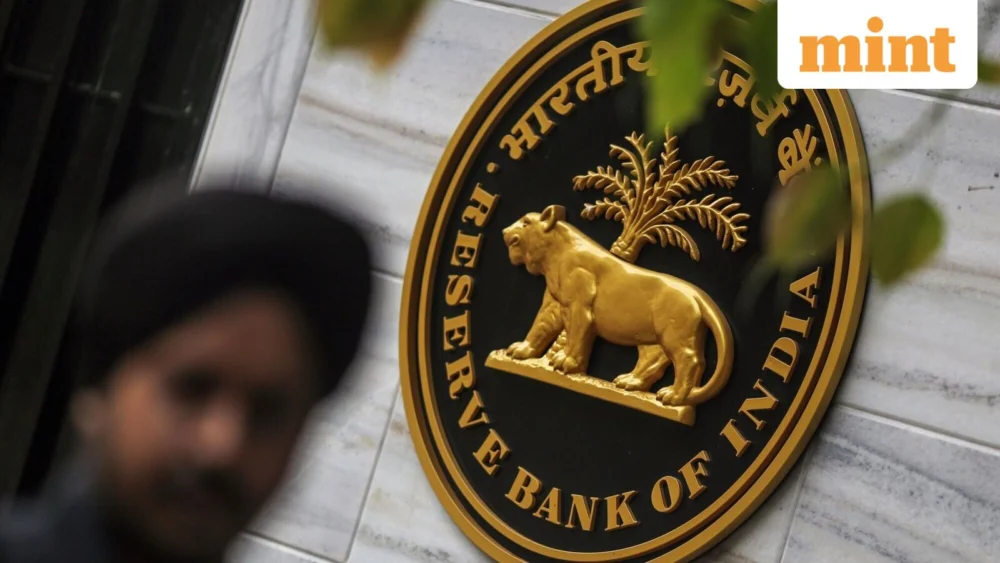
As India navigated the initial weeks of 2026, its financial ecosystem experienced a unique confluence of holidays, culminating in an extended period of branch closures for both public and private sector banks across the nation. The Reserve Bank of India (RBI), the central banking authority, had outlined a comprehensive calendar of 16 bank holidays for January, a figure that includes not only state-specific observances and national festivals but also the universally recognized weekend offs. Specifically, the fourth Saturday, January 24th, alongside the preceding regional holidays on January 23rd in states like Odisha, Tripura, and West Bengal, and the subsequent Republic Day on January 26th, created a significant long weekend for many parts of the country. This extended hiatus from traditional banking operations underscores the evolving dynamics of financial access, the robustness of India’s digital payment infrastructure, and the subtle yet pervasive economic ripple effects of such scheduled disruptions.
The framework for bank holidays in India is multifaceted, primarily governed by the Negotiable Instruments Act of 1881, which empowers the central and state governments to declare holidays. The RBI then consolidates these declarations, adding its own stipulations, such as the second and fourth Saturdays of every month being non-working days for banks nationwide. This structured approach, while providing predictability, also necessitates careful planning for businesses and individuals. January 2026, in particular, presented a complex scenario where a national celebration like Republic Day dovetailed with a mandated weekend closure and regionally significant events. For instance, the celebration of Saraswati Puja or Basanta Panchami, though not a universal bank holiday, often results in local closures, further fragmenting the operational landscape. Such variations highlight the importance of localized information, prompting the RBI and individual banks to strongly advise customers to verify holiday schedules with their local branches.
The immediate impact of these extended closures is most acutely felt by sectors heavily reliant on traditional banking services. Small and Medium Enterprises (SMEs), often operating on tight working capital cycles, can experience delays in processing payments, receiving funds, or disbursing salaries. A manufacturing unit awaiting a large payment to clear its raw material suppliers, or a retail outlet needing to deposit substantial cash receipts, might face liquidity challenges. "While digital payments have revolutionized routine transactions, many businesses, especially in semi-urban and rural areas, still depend on physical branch interactions for bulk cash deposits, withdrawals, or complex loan processing," notes Dr. Ananya Sharma, an economic analyst specializing in India’s informal sector. "These extended breaks can create bottlenecks, potentially slowing down supply chains or delaying critical financial flows for several days."
However, India’s aggressive push towards digital transformation in financial services has significantly mitigated the broader economic fallout. The Unified Payments Interface (UPI), a real-time payment system developed by the National Payments Corporation of India (NPCI), has emerged as a global benchmark for digital transactions. With monthly transaction volumes regularly exceeding 12 billion and values surpassing ₹18 trillion (approximately $215 billion), UPI ensures that routine person-to-person and person-to-merchant payments remain uninterrupted. Similarly, Immediate Payment Service (IMPS), National Electronic Funds Transfer (NEFT), and Real-Time Gross Settlement (RTGS) facilities operate 24×7, enabling seamless interbank fund transfers regardless of physical branch closures. ATMs also remain operational, providing essential cash access. This robust digital infrastructure acts as a critical shock absorber, preventing a complete standstill of economic activity during bank holidays.

The shift towards digital banking is not merely a convenience but a strategic imperative, particularly in a diverse economy like India’s. According to a recent report by a leading financial consultancy, digital transactions now account for over 70% of all retail payments in India, a figure projected to grow further. This digital resilience means that while a customer cannot walk into a branch to open a new account or resolve a complex query, most transactional needs are met. This paradigm shift has also had an impact on the perception of holidays. For a segment of the population, a bank holiday no longer implies a complete cessation of financial services, but rather a redirection to digital channels.
Despite the digital advancements, certain demographics and types of transactions remain more susceptible to the impact of physical closures. Elderly populations, individuals in remote areas with limited internet access, or those unfamiliar with digital tools may still rely heavily on branch services. Moreover, specific services like foreign exchange transactions, demand drafts for large value payments, or certain types of bond and security dealings often necessitate in-person bank interaction or are processed during banking hours. The stock markets and bond markets, while having their own holiday calendars, are indirectly affected by the closure of settlement banks. Delays in fund transfers for margin calls or settlement of trades can introduce minor frictions, although the institutionalized nature of these markets typically accounts for such eventualities.
Globally, the approach to bank holidays varies significantly. Many developed economies, such as the United States or the United Kingdom, observe a fixed number of national public holidays, with banks typically closing on these days. However, the concept of mandatory weekend closures beyond Sundays (like India’s 2nd and 4th Saturdays) is less common. In economies where digital banking is highly mature, the impact of physical closures is often minimal, serving more as administrative breaks for bank employees rather than fundamental disruptions to financial flows. India’s hybrid model, balancing a vast geographical spread with rapid digital adoption, presents unique challenges and opportunities. The continuous evolution of its banking holiday calendar reflects a blend of cultural tradition, economic necessity, and the ongoing drive for financial inclusion.
Looking ahead, the long-term trend suggests a diminishing reliance on physical bank branches for day-to-day transactions. As financial technology (FinTech) solutions become more sophisticated and widely adopted, and as initiatives like the RBI’s Payments Vision 2025 continue to expand the reach and efficiency of digital payments, the economic impact of physical bank holidays is likely to further decrease. Banks themselves are investing heavily in automation and artificial intelligence to handle routine customer queries and services digitally, thereby reducing the need for branch visits. However, the human element of banking, particularly for complex financial advice, loan applications, and dispute resolution, is unlikely to be entirely supplanted. The role of bank branches may evolve from transactional hubs to advisory centers, focusing on more specialized and personalized services.
In conclusion, the extended bank holiday period in January 2026, while a traditional feature of India’s financial calendar, serves as a poignant reminder of the nation’s journey in financial modernization. While it undoubtedly presented short-term operational adjustments for businesses and individuals, the robust digital payment infrastructure ensured that the broader economic engine continued to hum. The strategic foresight of the RBI and NPCI in building systems like UPI has cushioned the impact, turning what could have been a significant disruption into a manageable pause. As India continues its trajectory as a global economic powerhouse, the interplay between its cultural observances, regulatory frameworks, and technological advancements will continue to shape the accessibility and resilience of its dynamic financial services sector, with physical closures becoming less of a barrier and more of a testament to the nation’s digital prowess.