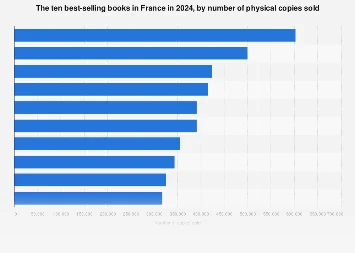
Freida McFadden’s thriller, "The Cleaning Lady," has surged to the apex of France’s physical book sales charts for 2024, moving an impressive 603,000 copies and underscoring the enduring appeal of suspenseful narratives. This top performance, however, occurs within a French book market characterized by a nuanced interplay between established genres and evolving reader preferences, presenting both opportunities and challenges for the publishing industry. While the traditional novel continues to hold significant ground, the dynamics of the market are being shaped by a robust performance in comics and manga, though a comparative lull in major releases for these segments in 2024, unlike the blockbuster Asterix volume in the previous year, has allowed contemporary fiction to capture a larger share of reader attention.
The French literary sector, despite its high output, has experienced a noticeable deceleration in sales volume over the past two years. Data indicates a 5.7 percent decline in volume in 2022, followed by a 3.5 percent contraction in 2023. While sales value has shown more resilience, with a 3.8 percent drop in 2022 followed by a modest 0.9 percent increase in 2023, the overall trend points to a market grappling with recalibration. Industry professionals attribute these shifts to a confluence of factors, including escalating paper costs and increased distribution expenses, which have inevitably driven up book prices. This price sensitivity among consumers is a growing concern, even as publishers attempt to frame the current market as a natural correction following an exceptional surge in manga and comic book sales during the 2020 and 2021 pandemic years. The explosive growth witnessed in these visually driven formats saw a significant downturn in 2023, with manga sales dropping by 17 percent in volume. Comics, the second-largest editorial segment in France, also faced adjustments. Furthermore, the burgeoning secondhand book market, which commanded 13.8 percent of total sales volume in 2023, represents another structural shift impacting the revenue streams of traditional publishing houses and distributors. This growing appetite for pre-owned literature offers a more budget-friendly alternative for readers, potentially diverting sales from new publications.
Beyond economic pressures, the French literary ecosystem is undergoing a profound transformation driven by fundamental changes in reader consumption habits. The rise of audiobooks and podcasts is an undeniable trend, with a significant 12.5 percent of French readers reporting listening to at least one physical audiobook in 2024. The increasing accessibility of audio content, further amplified by advancements in artificial intelligence, is carving out a new and rapidly expanding segment within the French literary industry. Recognizing this shift, numerous distributors are strategically enhancing their audiobook offerings to vie with global tech giants such as Apple Books, Google Play Books, and Spotify Audiobooks. Companies like Vivlio, in partnership with Cultura, are actively developing their platforms to capture a larger share of the growing French audiobook market. This competitive landscape highlights a strategic pivot by established players to diversify their content and delivery methods in response to evolving consumer preferences.
Simultaneously, policy initiatives are introducing another layer of complexity. Discussions surrounding the reform of the "Pass Culture," a government initiative designed to subsidize cultural consumption for young people, are generating debate. The proposed shift to prioritize spending on live performances, potentially at the expense of other cultural goods, could have a direct impact on the sales of manga and comic books, which are particularly popular among the younger demographic that heavily utilizes the Pass Culture. Concerns have also been raised by specialized distributors regarding proposals to make the allocation of Pass Culture funds contingent on social or territorial criteria. Such measures could disproportionately affect independent bookstores and specialized retailers that rely on a broad and accessible market, potentially leading to a contraction in their customer base and a redistribution of cultural spending that favors certain sectors over others. This policy debate underscores the delicate balance the French government is attempting to strike between promoting diverse cultural engagement and addressing specific societal or economic objectives within the arts and cultural sectors. The interplay of these economic, technological, and policy forces is actively reshaping the landscape of French book sales, demanding adaptability and strategic foresight from all stakeholders within the industry.