The intersection of high-end fashion and professional athletics was once limited to the manicured lawns of Wimbledon or the elite paddocks of Formula 1. Today, however, that boundary has dissolved entirely. From the sprawling stadiums of the FIFA World Cup to the urban basketball courts of the NBA, luxury conglomerates are pouring billions into mass-market sports, executing a high-stakes marketing gambit that appears, at first glance, to contradict their current business strategies. Even as brands like Louis Vuitton, Chanel, and Hermès raise prices to historic highs and pivot toward "ultra-exclusivity" to cater to the world’s wealthiest 1%, they are simultaneously seeking the gaze of the global masses through the world’s most popular sporting events.
This strategic dichotomy represents a fundamental shift in how the luxury sector perceives its future. While the "VIC" (Very Important Client) remains the primary driver of current revenue, the "aspirational" consumer—the individual who might only buy a bottle of perfume or a pair of sunglasses today—is the key to long-term brand relevance. By embedding themselves in the cultural fabric of mass-market sports, luxury houses are ensuring they remain top-of-mind for a generation of consumers who value experiences and athletic lifestyle over traditional markers of heritage.
The most prominent example of this "sportification" of luxury was the 2024 Paris Olympic Games. LVMH, the world’s largest luxury group, reportedly spent €150 million to become a "Premium Partner" of the event. The partnership was a masterclass in brand integration: Chaumet designed the medals, Berluti outfitted the French team for the opening ceremony, and Louis Vuitton trunks were used to transport the Olympic torches. For Bernard Arnault, the chairman of LVMH, the investment was not merely about selling more leather goods in the third quarter; it was about positioning his portfolio as a central pillar of national and global identity. The Olympics provided a platform with a projected reach of four billion viewers, a scale of visibility that no runway show in Milan or Paris could ever hope to achieve.
However, this push into the mass market comes at a time when the luxury industry is facing significant economic headwinds. After a post-pandemic boom characterized by "revenge spending," the sector has entered a cooling period. According to reports from Bain & Company, the global personal luxury goods market is expected to see its slowest growth since the 2008 financial crisis, excluding the pandemic era. Inflationary pressures and economic uncertainty in China—a critical engine for luxury growth—have hit the middle-class "aspirational" buyer hard. In response, many brands have doubled down on exclusivity, raising the prices of entry-level products and creating "private boutiques" accessible only to those who spend six figures annually.
This creates a fascinating paradox: brands are making their products harder to buy while making their logos harder to miss. The logic behind this is rooted in the "halo effect." By sponsoring a globally recognized athlete or a major tournament, a brand maintains its status as a cultural icon. Even if a viewer cannot afford a $5,000 handbag, the brand’s presence at the Super Bowl or the Champions League Final reinforces its desirability. This "dream equity" is what allows luxury brands to command premium prices. If a brand becomes too secluded, it risks irrelevance; if it becomes too accessible, it risks dilution. Sports provide the perfect middle ground—a venue that is populist in viewership but elite in performance.
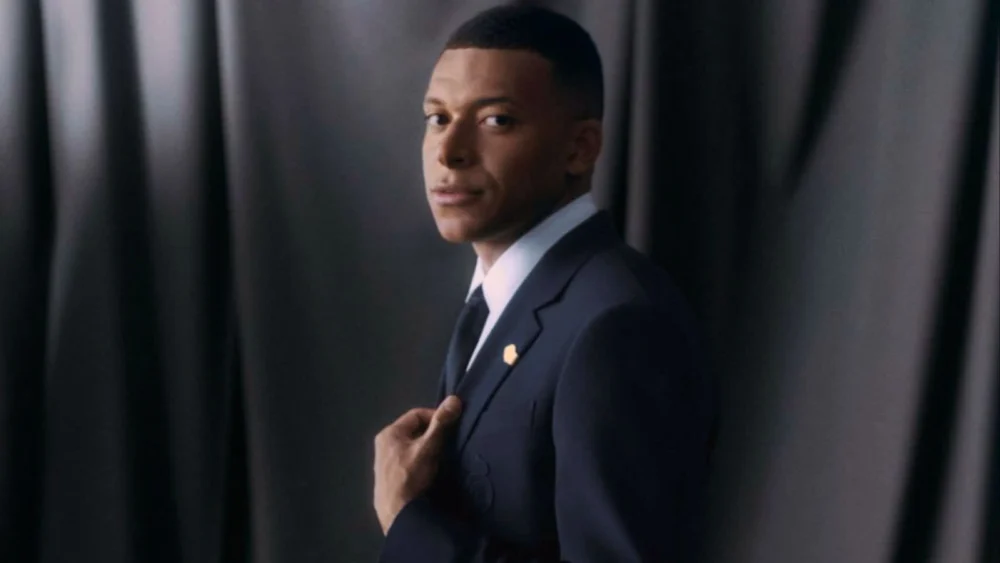
The shift is also visible in the changing face of brand ambassadors. The era of the reclusive film star or the aloof supermodel is being eclipsed by the high-performance athlete. Gucci’s partnership with Manchester City’s Jack Grealish and Dior’s alignment with French footballer Kylian Mbappé signal a move toward "relatable excellence." These athletes command massive social media followings that dwarf those of traditional celebrities. Jannik Sinner, the Italian tennis prodigy, recently made headlines by carrying a custom Gucci duffel bag onto the court at Wimbledon, a move that bypassed traditional sponsorship rules and signaled a new era of "lifestyle" integration in professional sports.
Economically, the move into sports is a diversification strategy. The "athleisure" market remains one of the most resilient segments of the global apparel industry, valued at over $350 billion. By collaborating with sports brands—such as the Prada x Adidas partnership or the Loewe x On Running collection—luxury houses are capturing a share of the "active" wallet. This allows them to maintain high margins on products that are fundamentally more functional and perhaps more "justifiable" to a consumer who is becoming more discerning with their discretionary spending.
Geographically, the luxury-sports nexus is a critical tool for expansion in North America and Asia. In the United States, the fusion of sports, entertainment, and fashion is more pronounced than anywhere else. The "tunnel walk" in the NBA and NFL has become a de facto runway, with players’ pre-game outfits being scrutinized and cataloged by fashion media. Luxury brands have recognized that the American consumer’s entry point into high fashion is often through the lens of sports culture. Meanwhile, in China, where the government has increasingly promoted physical fitness and national athletic achievement, aligning with sports stars offers luxury brands a way to navigate a complex political and social landscape while appealing to a patriotic and health-conscious youth demographic.
The risks, however, are not insignificant. The history of luxury is littered with brands that lost their luster by becoming too "common." Pierre Cardin is often cited as a cautionary tale; by licensing his name to everything from frying pans to cigarettes in the 1980s, the brand’s prestige evaporated. Today’s luxury executives are betting that sports are different. They argue that because elite sports are predicated on excellence, precision, and history, they are naturally aligned with the values of "Maison" craftsmanship. A Rolex timing a Formula 1 race or a Louis Vuitton trunk carrying the Larry O’Brien Trophy does not feel like a downgrade; it feels like a coronation.
Furthermore, the data suggests that the "sporty" luxury consumer is younger. Gen Z and Millennials are expected to represent 70% of the luxury market by 2030. These cohorts do not view luxury as a static, formal category. To them, a limited-edition sneaker is as much a status symbol as a bespoke suit. By colonizing the sports world, luxury brands are meeting these consumers where they live—on social media, in gaming environments (such as the Louis Vuitton skins in League of Legends), and in the stadium.
As the global economy remains volatile, the "flight to quality" remains the dominant trend. The wealthiest consumers will continue to seek out the rarest, most expensive items as a store of value and a mark of status. However, the luxury houses that will dominate the next decade are those that can master the art of the "dual-track" strategy: maintaining an impenetrable fortress of exclusivity for the elite, while operating a vibrant, high-visibility circus for the masses.
In the end, the push into mass-market sports is an insurance policy against the cyclical nature of fashion. Trends in silhouettes and colors may fade, but the global passion for competition is perennial. By tethering their logos to the emotional highs of a last-minute goal or a record-breaking sprint, luxury brands are moving beyond the retail shelf and into the realm of collective memory. They are no longer just selling products; they are sponsoring the moments that define global culture. In the high-stakes game of global economics, that visibility is the ultimate luxury.