


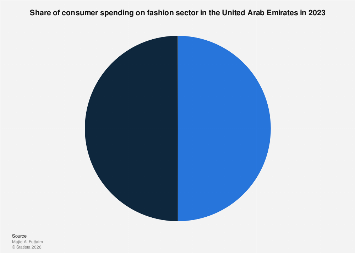
In the dynamic economic environment of 2023, the United Arab Emirates’ fashion sector continued to be a significant contributor to the nation’s retail landscape, with consumer spending patterns offering crucial insights into its trajectory and resilience. While precise, publicly available figures detailing the exact percentage of consumer expenditure allocated to fashion in 2023 remain proprietary and often part of specialized market intelligence reports, broader economic indicators and industry analyses provide a clear picture of a robust and evolving market. The UAE, a regional hub for luxury goods and a burgeoning center for fast fashion and e-commerce, witnessed a sustained appetite for apparel, footwear, and accessories, driven by a diverse population, high disposable incomes, and a strong cultural inclination towards fashion.
The fashion industry’s share of the UAE’s overall consumer spending is intrinsically linked to the nation’s economic health, tourism influx, and demographic makeup. With a substantial expatriate population and a significant proportion of high-net-worth individuals, the UAE has historically demonstrated a high per capita spending on discretionary items, including fashion. In 2023, this trend was further amplified by a post-pandemic surge in consumer confidence and a return to pre-pandemic social activities, which naturally include shopping and updating wardrobes. Reports from various market research firms consistently place the UAE at the forefront of retail spending in the Middle East, with fashion consistently ranking among the top categories. While specific percentages fluctuate based on methodology and the inclusion of sub-sectors like beauty and personal care, fashion typically accounts for a substantial double-digit percentage of total retail sales. For instance, in preceding years, analysts have estimated the fashion segment to represent anywhere from 15% to 25% of the total UAE retail market value, a figure that likely remained strong in 2023, given the sector’s inherent appeal and the UAE’s economic momentum.
Several macro-economic factors underpinned this robust consumer spending in the UAE’s fashion sector throughout 2023. The nation’s GDP growth, which experienced a significant rebound in the preceding years and continued to show resilience, directly translated into increased purchasing power for consumers. Furthermore, the UAE’s proactive economic diversification strategies, including investments in tourism, technology, and entertainment, attracted a global audience and fostered a vibrant consumer market. The government’s supportive policies for businesses, coupled with a relatively low tax environment, also contributed to a favorable climate for retail operations and consumer engagement. The influx of tourists, particularly during key shopping seasons and major events like the Dubai Shopping Festival, further injected significant spending into the fashion market, providing a crucial boost to both luxury and mid-market brands.
The e-commerce revolution continued its relentless march in 2023, profoundly reshaping how UAE consumers interacted with fashion brands. Online retail penetration, already high, saw further growth, driven by convenience, a wider selection of international and local brands, and increasingly sophisticated logistics and delivery networks. This digital shift meant that while brick-and-mortar stores remained important for experiential shopping and brand presence, a significant portion of fashion expenditure migrated online. Brands that successfully integrated their online and offline channels, offering seamless omnichannel experiences, were best positioned to capture market share. The rise of social commerce, fueled by influencer marketing and the increasing use of social media platforms for product discovery and purchasing, also played a pivotal role, especially among younger demographics. This digital transformation not only expanded the reach of fashion brands but also provided consumers with more price transparency and access to a global marketplace.
Within the broader fashion landscape, different segments experienced varying degrees of consumer engagement. The luxury segment, a cornerstone of the UAE market, continued to thrive, buoyed by the presence of high-net-worth individuals and affluent tourists. Demand for high-end designer wear, premium accessories, and exclusive collections remained strong, with brands leveraging limited editions and personalized experiences to cater to this discerning clientele. Simultaneously, the fast fashion and mid-market segments also demonstrated significant vitality. Consumers in these categories were driven by a desire for trend-driven pieces at accessible price points, with brands emphasizing affordability, variety, and rapid product turnover. The growing awareness of sustainable fashion also began to influence purchasing decisions, with a segment of consumers actively seeking out ethically produced and environmentally conscious apparel, creating opportunities for niche brands and established players to adapt their offerings.
The competitive landscape of the UAE fashion market is characterized by a mix of global powerhouses and emerging local designers. International brands, from established luxury houses to popular high-street retailers, maintain a strong presence, often setting up flagship stores in prime retail locations and investing heavily in marketing. However, there has been a discernible and growing trend of support for local talent. Emirati designers, in particular, have been gaining international recognition, showcasing their collections at global fashion weeks and establishing a strong following within the UAE and the wider region. This burgeoning local scene not only diversifies the fashion offering but also taps into a sense of national pride and cultural identity, resonating with consumers who seek to express their heritage through their style.
Looking ahead, the UAE’s fashion sector in 2023 was poised for continued evolution. The ongoing integration of technology, including AI-powered personalization, augmented reality try-ons, and blockchain for supply chain transparency, is expected to further enhance the consumer experience. The increasing emphasis on sustainability and ethical production will likely become a more significant factor in purchasing decisions, compelling brands to adopt more responsible practices. Furthermore, the UAE’s strategic position as a gateway to emerging markets in Africa and Asia suggests that its fashion industry will continue to play a vital role in regional and global trade. While specific market share data for 2023 remains closely guarded by market intelligence firms, the overall economic climate, consumer behavior, and the sector’s inherent dynamism point towards a strong and influential performance for the UAE’s fashion industry, solidifying its status as a key economic driver and a global fashion destination. The ability of brands to adapt to evolving consumer preferences, embrace digital innovation, and champion sustainability will be paramount in navigating the future of this vibrant market.