

India’s fast-moving consumer goods (FMCG) sector is witnessing a transformative shift, as major players increasingly reap the rewards of their strategic pivot towards premium personal care and nascent, digitally-native product categories. This evolution reflects a profound change in consumer behavior, where discerning buyers are trading up to higher-value propositions, driven by a quest for specialized treatments, targeted formulations, and natural ingredient profiles. The industry’s traditional reliance on mass-market volumes is being recalibrated by the allure of enhanced margins and accelerated growth offered by these upscale segments, providing crucial resilience amidst a landscape of fluctuating broader demand.
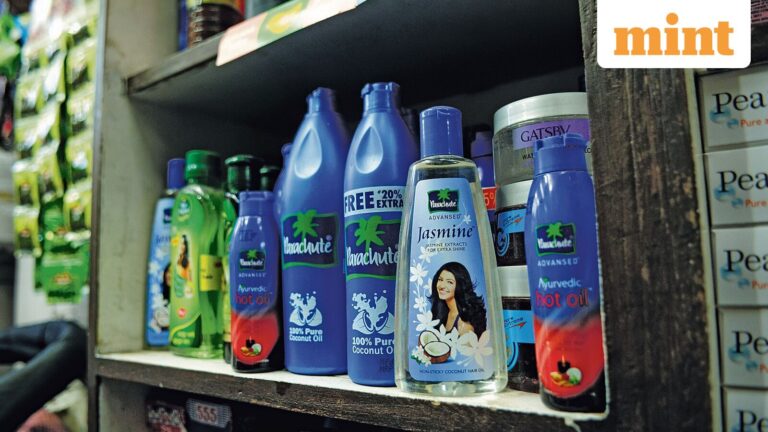
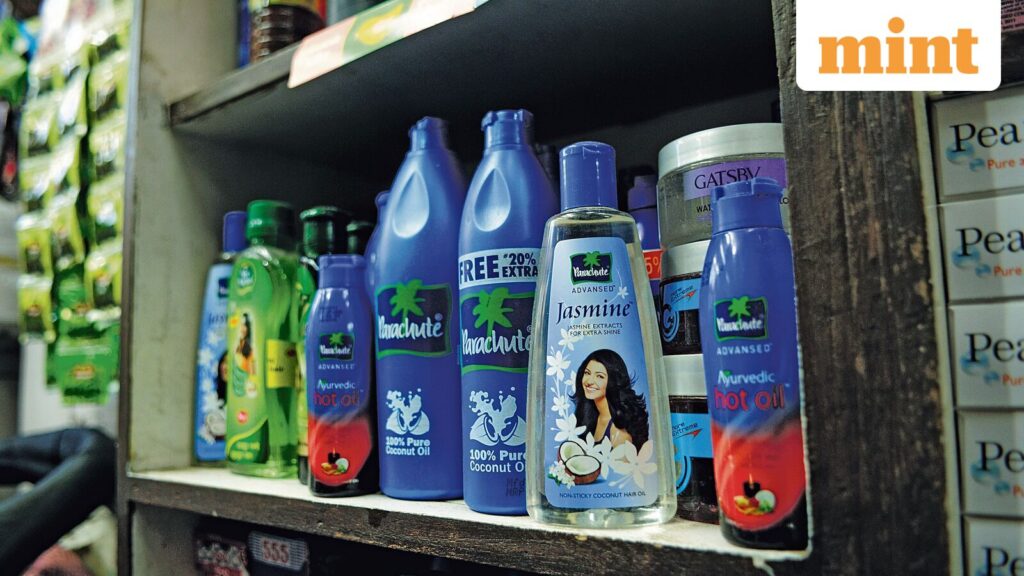
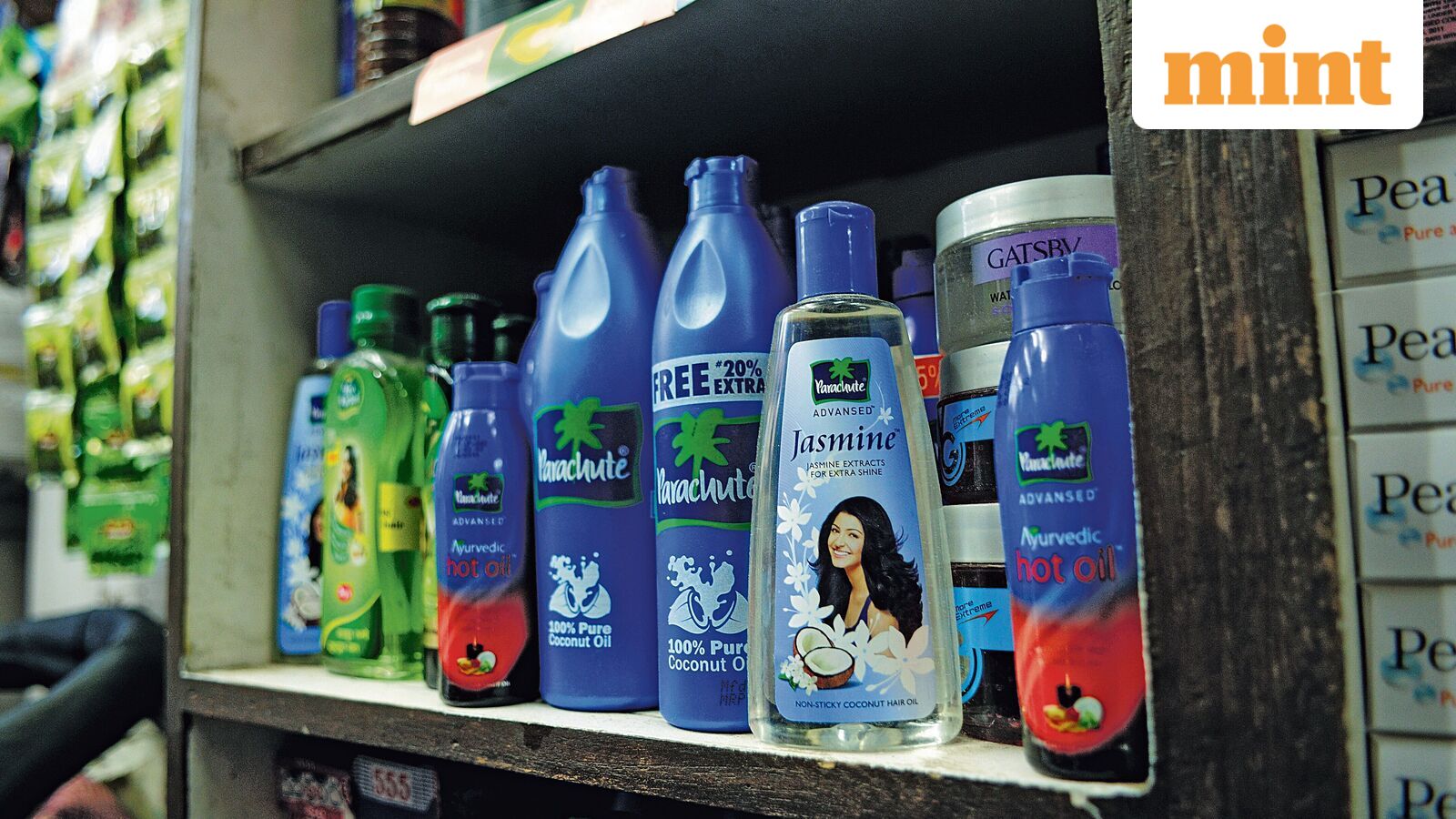
Leading the charge in this premiumization wave are companies like Marico Ltd., the conglomerate behind household staples such as Parachute and Livon. Marico’s premium personal care portfolio has demonstrated robust double-digit growth in the fiscal year 2025-26, projecting an annual recurring revenue (ARR) exceeding ₹350 crore. Saugata Gupta, the company’s managing director and chief executive, highlighted during a recent earnings call that their broader digital-first portfolio, encompassing specialized and online-centric brands, is scaling at an even more rapid pace, anticipated to cross an ARR of ₹1,000 crore by the close of the fiscal year. This strategic emphasis extends even to their core hair oil business, where value-added variants have achieved an all-time high market share of nearly 30%, underscoring a significant shift towards premiumization within their product mix. Pawan Agrawal, Marico’s group chief financial officer, affirmed the positive impact on profitability, noting that higher-value hair oils yield superior margins, a critical factor in maintaining resilient profit growth despite inflationary pressures on raw materials like copra.
This trend is not isolated to a single player but resonates across the industry. Dabur India Ltd., a prominent Ayurvedic and natural health company, is also intensifying its focus on premium hair care offerings and new-age product lines. CEO Mohit Malhotra articulated the company’s commitment to expanding its premium footprint, noting that upscale variants within its Chyawanprash category, such as Gur Chyawanprash and Ratnaprash, are significantly outperforming their conventional counterparts. This strategic move is expected to bolster overall margins as the proportion of the premium portfolio continues to expand. Similarly, Emami Ltd. is leveraging an innovation-led premiumization strategy to engage younger consumer demographics. Vice Chairman Mohan Goenka reported that their digital-first brands, The Man Company and Brillare, delivered an impressive 31% growth, signaling their strong potential as future revenue drivers.
The impetus for premiumization is pervasive, extending beyond personal care to encompass grooming, home care, and even packaged foods. Hindustan Unilever Ltd. (HUL), a market behemoth, has explicitly integrated premium and digital-first brands into its core growth strategy. Priya Nair, CEO of HUL, emphasized that "masstige" (mass prestige) and direct-to-consumer (D2C) channels form a critical component of the company’s "fewer, bigger bets" agenda. HUL’s D2C brands, Minimalist and OZiva, have collectively established an annual run rate business of approximately ₹1,100 crore, demonstrating the scalability of this model within a large corporate framework. Even in specific categories like fragrances, Godrej Consumer Products Ltd. has observed a consumer migration from deodorants to higher-end eau de parfum (EDP) formats, as articulated by its managing director and CEO, Sudhir Sitapati. This broad-based adoption across diverse segments highlights a fundamental recalibration of consumer preferences and industry strategy.

Analysts and industry experts widely concur that this surge in demand for premium personal care is not a transient phenomenon but a structural shift. India’s beauty and personal care (BPC) market, currently estimated at $40 billion, is projected to burgeon to an impressive $100-120 billion by 2030, according to a 2026 report by RedSeer Strategy Consultants. This makes it one of the fastest-growing consumer segments globally. This growth is underpinned by several macro-economic and socio-cultural factors: rising disposable incomes, increasing urbanization, greater global exposure, and the pervasive influence of social media. Indian consumers, particularly the burgeoning middle and affluent classes, are increasingly willing to invest in products that promise specialized benefits, superior ingredients, and a heightened sense of self-care and well-being.
The digital realm plays a pivotal role in accelerating this transformation. E-commerce’s share of India’s BPC market has surged from approximately 8% in 2019-20 to nearly 20% in 2024-25, with projections indicating it will account for over a third of category spending by 2030. This digital penetration, coupled with the advent of quick commerce platforms, has democratized access to niche and premium brands, making them available not just to the affluent but also to younger, digitally-savvy buyers eager to experiment. Anand Ramanathan, partner and consumer industry leader for South Asia at Deloitte, characterizes the evolving consumer market as a "barbell" structure, where robust growth is observed at both the premium and value ends, but with the former exhibiting disproportionate expansion. He underscores that specialized treatments, targeted skincare and haircare formulations, and natural or ‘clean beauty’ products are key growth engines, as consumers increasingly seek tailored solutions over generic offerings.
The strategic importance of D2C brands is further evidenced by recent acquisition activities. Mukesh Ambani-led Reliance Industries Ltd.’s FMCG arm, Reliance Consumer Products Ltd., which has primarily focused on acquiring and revitalizing legacy regional brands, recently diversified its portfolio by acquiring the D2C beauty and personal-care brand Pahadi Local. Similarly, Dabur India Ltd. made a significant move by acquiring a majority stake in the premium Ayurvedic skincare brand Ras Luxury Oils, marking its first D2C acquisition under its ₹500 crore Dabur Venture Fund, established to invest in emerging consumer brands. These acquisitions highlight a recognition by large conglomerates that D2C brands offer agility, direct consumer engagement, and often embody the very premium and specialized attributes that consumers are now seeking. They also provide a quicker route to market penetration in fast-evolving niche segments without the lengthy R&D cycles required for organic development.
Despite this robust growth, the Indian BPC sector still presents immense headroom for expansion. The RedSeer report indicates that only around 20 brands in the sector currently generate more than ₹1,500 crore in annual revenue. This fragmentation is partly attributed to the historical dominance of small, local purchases, price-sensitive consumer bases, and ingrained traditional remedies, which have historically made it challenging for brands to achieve national scale. However, this also signifies a substantial untapped opportunity for both established FMCG players and agile new entrants. The economic implications are far-reaching. The shift towards premium products fuels greater investment in research and development, fosters specialized manufacturing capabilities, and creates demand for skilled labor in areas like digital marketing, product formulation, and supply chain management for niche ingredients. This, in turn, can contribute to higher value-added output in the manufacturing sector and enhance overall economic growth. As India’s per capita spending on beauty and personal care remains significantly lower than that of developed economies, the runway for continued premiumization, driven by rising incomes and evolving aspirations, appears exceptionally long, promising sustained growth and innovation within the consumer landscape for the foreseeable future.