

The specter of a full-scale military conflict involving Iran has long been a "black swan" scenario for global markets, yet recent escalations in the Middle East have moved this possibility from the periphery of risk assessments to the center of strategic planning. Unlike localized conflicts, a war involving Iran would not merely be a regional tragedy; it would represent a systemic shock to the global economic order, threatening to dismantle the fragile recovery following the pandemic and the energy crises sparked by the war in Ukraine. The interconnectedness of modern trade, coupled with Iran’s strategic position over the world’s most vital maritime artery, ensures that the economic consequences would be felt from the boardrooms of Wall Street to the manufacturing hubs of East Asia and the petrol stations of Western Europe.
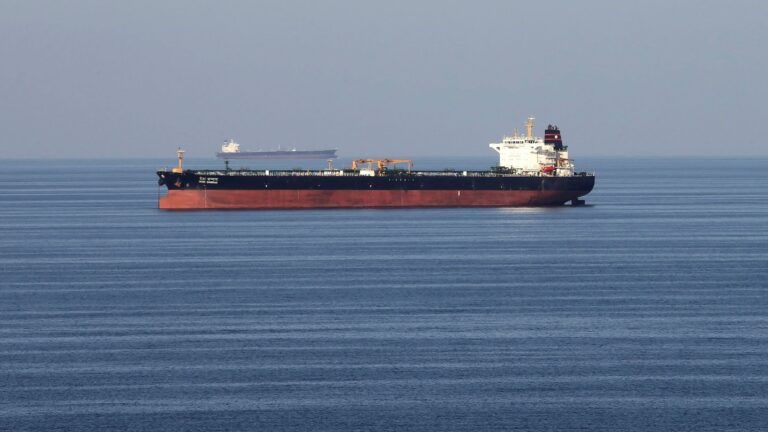
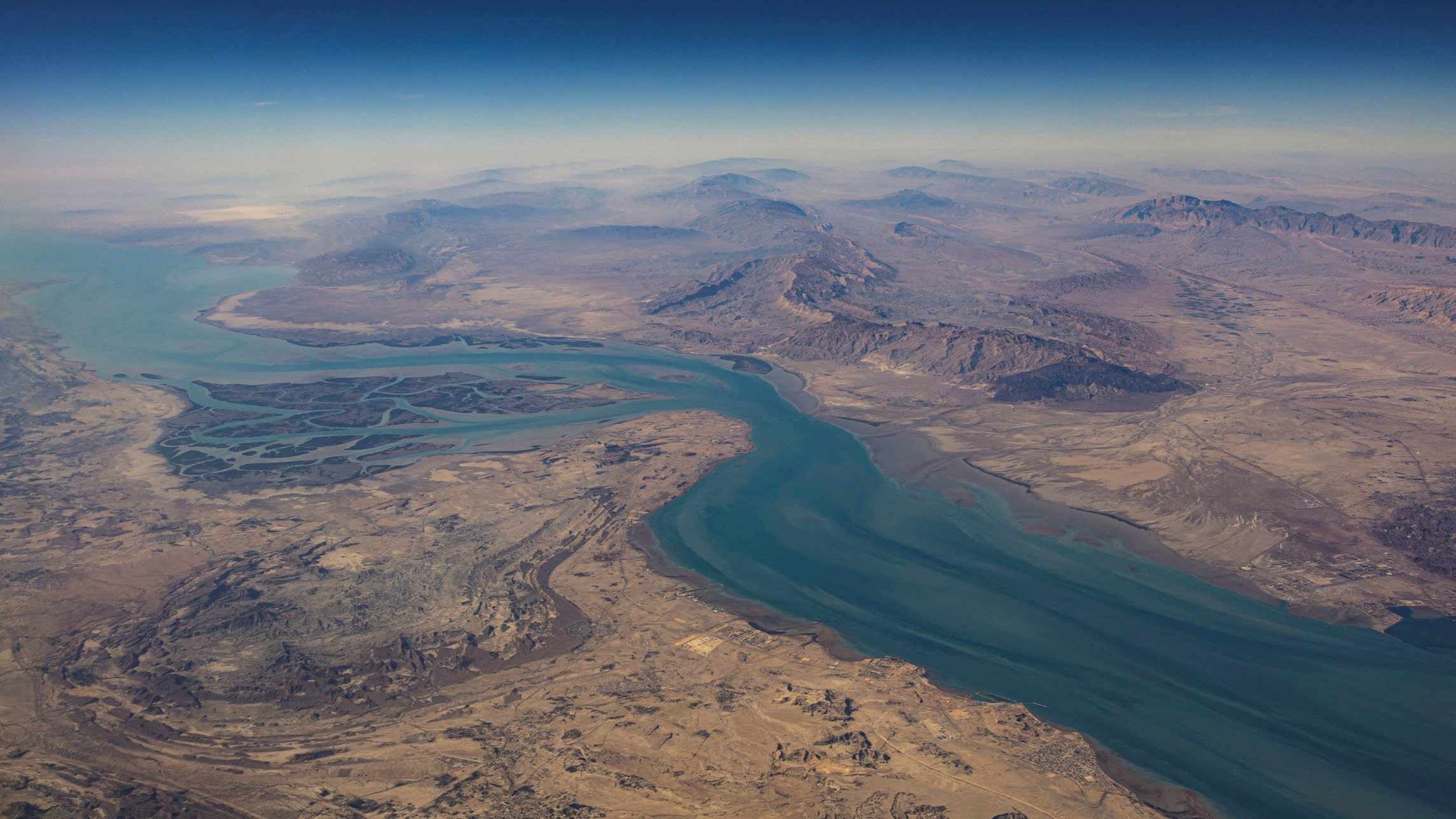
At the heart of the economic threat lies the Strait of Hormuz, a narrow waterway through which approximately 21 million barrels of oil pass daily. This represents roughly 21% of the world’s total petroleum liquid consumption. Unlike other maritime chokepoints, such as the Suez Canal or the Panama Canal, there are no viable, large-scale alternatives to the Strait. While Saudi Arabia and the United Arab Emirates operate pipelines that can bypass the waterway, their combined capacity is less than 40% of the volume currently shipped through the Strait. A blockade or significant military disruption in these waters would instantly remove a massive portion of global supply from the market, creating a deficit that the Strategic Petroleum Reserves (SPR) of OECD nations could only temporarily mitigate.
Energy analysts suggest that even a temporary closure of the Strait could send Brent crude prices soaring past the $150-per-barrel mark, with some extreme projections reaching $200. Such a price spike would act as a regressive tax on global consumption, draining household disposable income and significantly increasing the input costs for industrial production. For an economy like China, which remains the world’s largest importer of crude oil and a significant purchaser of Iranian "shadow market" barrels, the shock would be particularly acute. A sharp rise in energy costs would likely stall China’s industrial engine, with a ripple effect that would disrupt global manufacturing supply chains already strained by geopolitical decoupling.
The inflationary implications of such a conflict would be profound and difficult for central banks to manage. Over the past two years, the Federal Reserve and the European Central Bank have struggled to bring inflation back toward their 2% targets. A war-induced energy shock would trigger "second-round effects," where the increased cost of transportation and plastic production bleeds into the price of food, consumer goods, and services. This presents a "nightmare scenario" for monetary policy: stagflation. Central banks would be forced to choose between raising interest rates to combat soaring inflation—thereby crushing economic growth—or maintaining lower rates to support a flagging economy, at the risk of letting inflation spiral out of control.
Beyond the immediate impact on oil, Iran is a significant player in the global natural gas market, holding some of the world’s largest reserves. While Iran’s export infrastructure is currently hampered by international sanctions, a regional war would jeopardize the stability of neighboring Qatar’s gas exports. Qatar is a leading supplier of Liquefied Natural Gas (LNG) to both Europe and Asia. Any disruption to the North Field operations or the shipping of LNG through the Persian Gulf would send global gas prices to record highs, potentially surpassing the peaks seen during the 2022 European energy crisis. For European nations still weaning themselves off Russian gas, the loss of Middle Eastern LNG would necessitate drastic energy rationing and could lead to a severe industrial recession.
The financial markets would likely respond with a "flight to safety," characterized by a massive sell-off in equities and a surge in demand for safe-haven assets. Historically, during times of Middle Eastern instability, the U.S. Dollar, gold, and Swiss Franc see significant appreciation. While a stronger dollar might benefit U.S. purchasing power, it would wreak havoc on emerging markets that hold dollar-denominated debt. As the dollar strengthens and energy prices rise, developing nations would face a double blow: higher costs for essential imports and increased servicing costs for their international loans. This could trigger a wave of sovereign defaults across the Global South, creating a secondary financial crisis that would further destabilize global trade.
Shipping and logistics would also face a transformative crisis. Even if the Strait of Hormuz remains technically open, the cost of maritime insurance for vessels operating in the region would skyrocket. During previous periods of tension in the Gulf, "war risk" premiums have increased by as much as tenfold in a matter of days. These costs are invariably passed on to consumers. Furthermore, a conflict would likely render the Red Sea and the Persian Gulf "no-go zones" for commercial shipping, forcing vessels to take the much longer route around the Cape of Good Hope. This adds approximately 10 to 14 days to a journey from Asia to Europe, significantly increasing fuel consumption and tying up global container capacity, leading to shortages of components and finished goods.
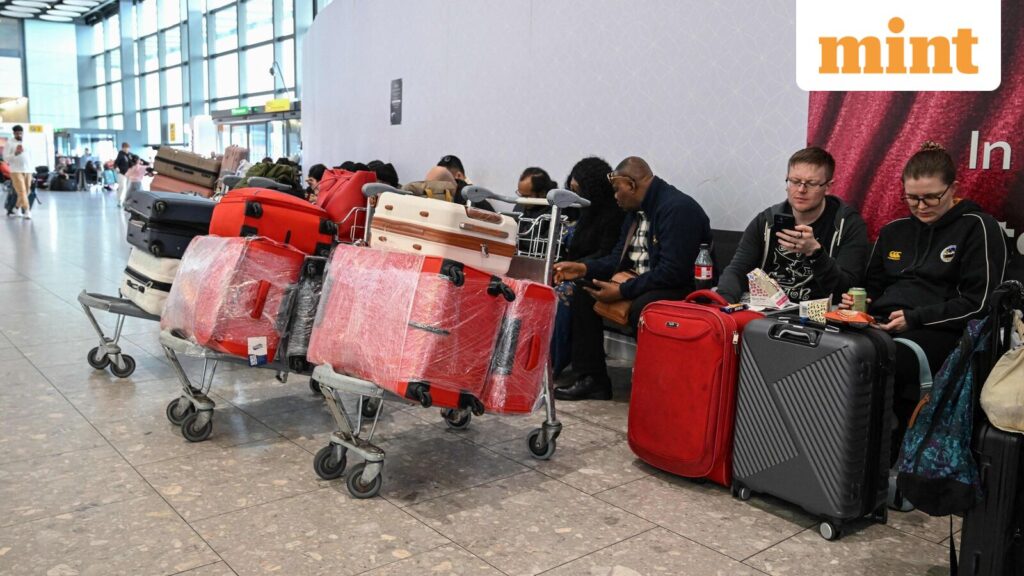
The impact on global aviation cannot be overlooked. The airspace over Iran and its neighbors is a critical corridor for flights connecting Europe with Asia and Oceania. A closure of this airspace would force airlines to utilize longer, more expensive flight paths, similar to the rerouting required after the closure of Russian airspace. This would not only increase the cost of international travel and air freight but also add a significant carbon footprint to global logistics, complicating the international community’s climate commitments.
From a geopolitical-economic perspective, a war would likely solidify the formation of rival economic blocs. Iran’s deepening ties with Russia and China suggest that a conflict would not be isolated. If China perceives a threat to its energy security, it may accelerate the development of non-dollar trade mechanisms and alternative financial architectures, such as the expansion of the BRICS+ framework. This would hasten the "fragmentation" of the global economy, reducing the efficiency of global markets and increasing the likelihood of trade wars and protectionist policies.
Investment in the energy transition could also be paradoxically affected. While high oil prices theoretically provide an incentive to switch to renewables, the immediate economic devastation of a war might drain the capital reserves necessary for the green transition. Governments might be forced to prioritize short-term energy security—such as restarting coal plants or subsidizing fossil fuel consumption—over long-term decarbonization goals. Conversely, a sustained period of energy volatility could serve as the final catalyst for Western nations to achieve "energy sovereignty" through an aggressive build-out of domestic renewable infrastructure and nuclear power.
The regional economic impact within the Middle East would be catastrophic. Many Gulf Cooperation Council (GCC) states have spent the last decade attempting to diversify their economies away from hydrocarbons through ambitious projects like Saudi Arabia’s Vision 2030. A major war would likely halt foreign direct investment (FDI) in the region, as the "risk premium" for doing business in the Middle East becomes prohibitive. Tourism, a burgeoning sector for the UAE and Saudi Arabia, would vanish overnight. The destruction of infrastructure in Iran and potentially its neighbors would require hundreds of billions of dollars in eventual reconstruction, diverting capital away from innovation and social development.
In summary, the global economy currently operates on a "just-in-time" basis with very little margin for error. The integration of Iranian energy and the strategic importance of its geography mean that any military escalation would have a multiplier effect. The resulting combination of an energy supply shock, a maritime logistics crisis, and a global inflationary spike would likely tip the world into a deep and prolonged recession. As policymakers weigh their options, the economic data suggests that the cost of a conflict with Iran would be measured not just in military expenditures, but in a fundamental and painful restructuring of the global standard of living. The fragility of the current system underscores the reality that in a modern, globalized world, a localized war can quickly become a universal economic burden.