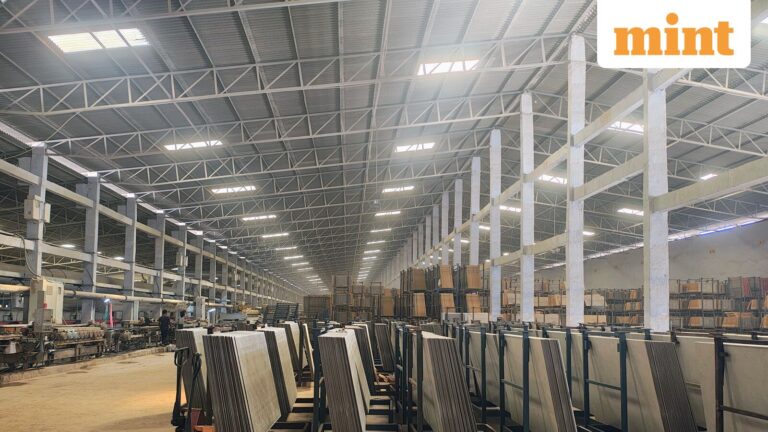

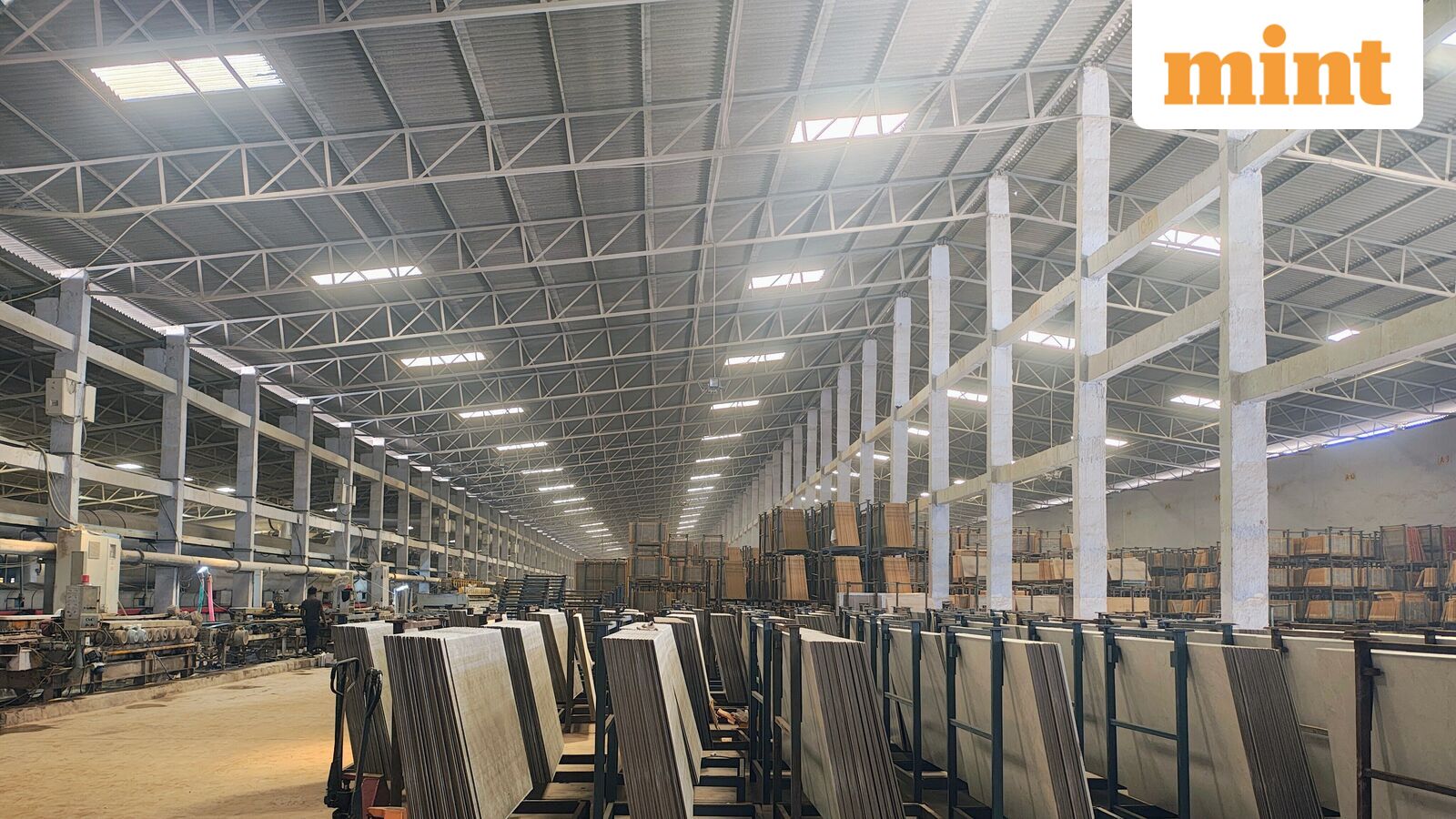
Thousands of miles from the escalating geopolitical tensions in the Middle East, a profound crisis is engulfing Morbi, India’s preeminent ceramic manufacturing hub in Gujarat. This industrial powerhouse, responsible for nearly 90% of India’s ceramic production and a significant portion of its exports, now faces an existential threat as the conflict disrupts crucial energy supplies, imperiling an industry valued at approximately $7 billion and the livelihoods of nearly a million people. The disruption, primarily stemming from the blocking of key maritime routes like the Strait of Hormuz, has choked the flow of vital liquefied natural gas (LNG) and propane, the lifeblood of Morbi’s energy-intensive kilns.
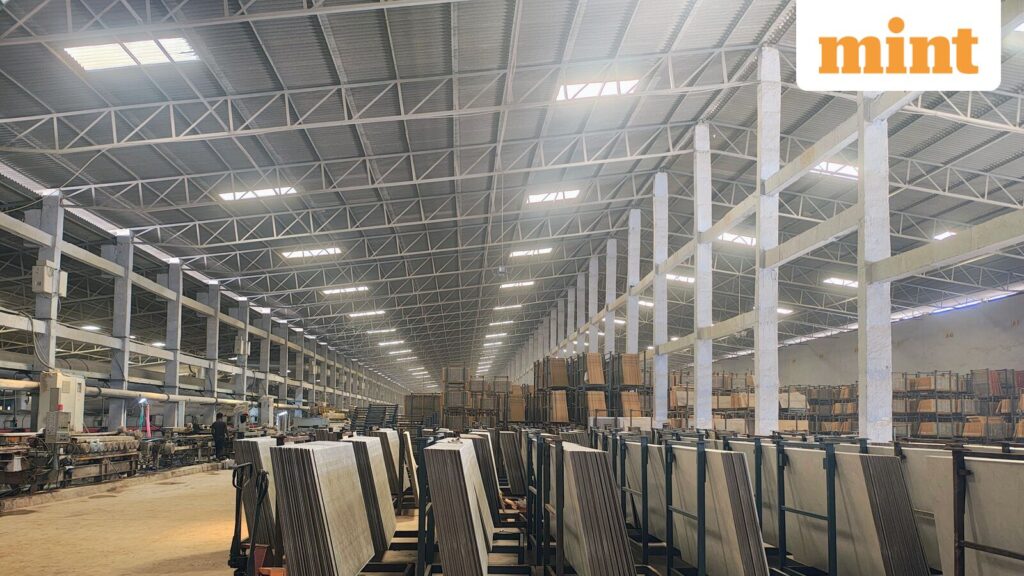
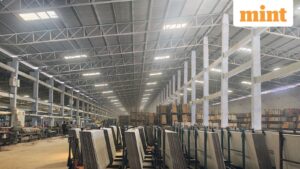
Morbi, nestled along the Machchhu River in Gujarat’s Saurashtra region, has cemented its position as the world’s second-largest ceramic cluster after China’s Foshan. Its ascent has been driven by a potent combination of entrepreneurial spirit, access to raw materials, and strategic government support, transforming it into a global supplier of tiles, sanitaryware, and other ceramic products. The region boasts around 1,200 ceramic units, collectively producing an estimated 6 million tonnes annually. This industrial might translated into approximately ₹15,000 crore (roughly $1.8 billion) in ceramic exports in the fiscal year 2024-25, reaching diverse markets including the United States, France, Germany, Oman, and Sri Lanka. Domestically, the Indian ceramic tiles market, which reached 1,255.97 million square meters (MSM) in 2025, is projected to grow to 1,676.95 MSM by 2034, with Morbi as its primary engine.
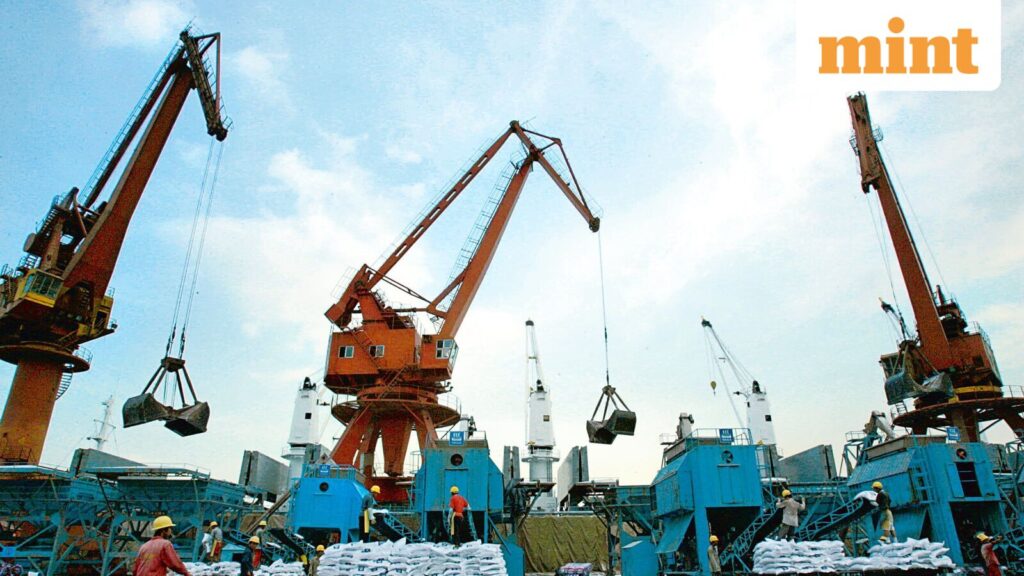
The core of the current crisis lies in Morbi’s critical dependence on imported fuels. Ceramic manufacturing is an energy-intensive process, with kilns requiring a continuous and stable supply of high-temperature fuel for firing and drying. The industry typically relies on two primary fuels: propane and natural gas. Propane, delivered by road tankers, accounts for an average daily consumption of approximately 5.5 million cubic meters across a significant number of units. Natural gas, supplied via pipelines by entities like Gujarat Gas Limited, caters to about 150 units, with a daily consumption of around 2.5 million cubic meters. India’s energy security, particularly for these fuels, is heavily tethered to the Middle East. For LPG (which includes propane), over 95% of India’s imports originate from Saudi Arabia, the UAE, Qatar, and Kuwait. LNG imports, while more diversified, still see Qatar supplying nearly half of India’s needs, complemented by supplies from the UAE, the United States, Oman, Angola, and Australia.
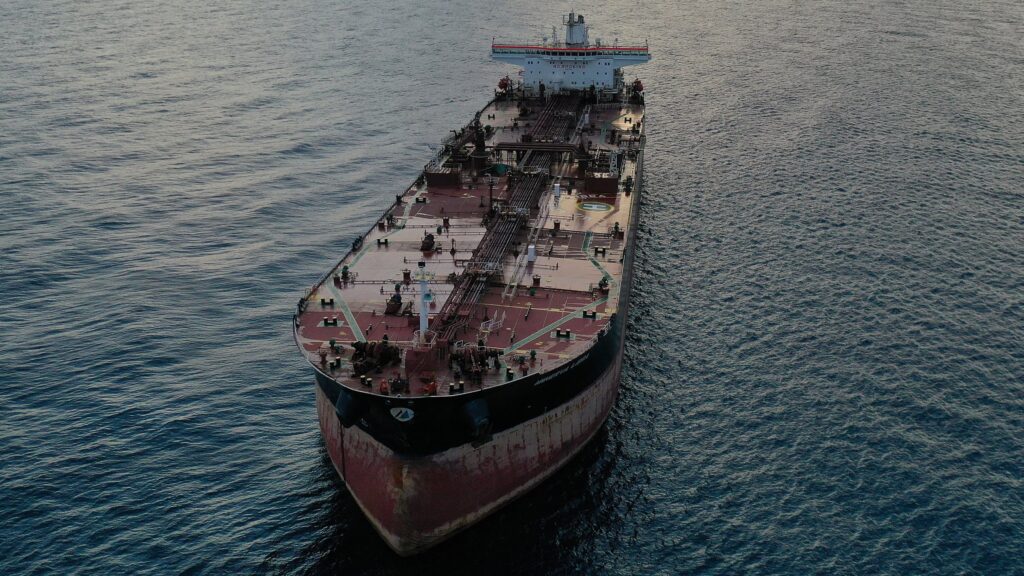
The recent escalation of the US-Israel military actions targeting Iran, followed by retaliatory strikes from Tehran on regional military bases and shipping, has thrown global energy markets into disarray. The Strait of Hormuz, a narrow choke point through which a fifth of the world’s total oil consumption and a quarter of global LNG passes, has become a flashpoint. This geopolitical volatility has rendered propane and LNG shipments irregular and unreliable, driving up insurance costs for vessels and causing severe supply chain bottlenecks. Factory owners in Morbi, like Vinod Ambani of Livolla Granito, articulate a grim reality: "The LNG and propane supply stopped on 10 March. Now, we are relying on the Gujarat gas supply, and we fear this gas might not last until 15 March." He ominously warns that a failure to restore gas supplies by mid-March could lead to a complete shutdown of operations, reminiscent of the severe disruptions experienced during the COVID-19 pandemic.
The impact is already palpable. Industry representatives report that 200-250 factories, roughly 25% of Morbi’s total, have already ceased operations. Manoj Arvadiya, President of the Morbi Ceramic Manufacturers Association (Vitrified Tiles Division), confirms that approximately 100 units primarily dependent on propane have shuttered, with another 400 propane-reliant factories on the verge of closure if supplies are not promptly restored. Even units connected to Gujarat Gas are not immune; while they currently operate, a sustained 50% reduction in supply could force their shutdown by late March. Furthermore, natural gas suppliers have begun issuing force majeure notices, compelling more factories to suspend production. This ripple effect threatens not only direct employment for 900,000 individuals but also jeopardizes a vast ecosystem of ancillary industries, including packaging, logistics, raw material suppliers, and machinery maintenance.
The economic implications extend far beyond Morbi’s immediate vicinity. A prolonged shutdown would deal a severe blow to India’s manufacturing sector and its "Make in India" initiative, which aims to boost domestic production and exports. The ceramic industry’s contribution of ₹20,000 crore (approximately $2.4 billion) to India’s annual exports would diminish significantly, impacting the nation’s trade balance. Domestically, the disruption would lead to a scarcity of ceramic products, inevitably driving up prices for consumers and the vital construction and real estate sectors. This inflationary pressure, coupled with potential job losses, could dampen overall economic sentiment and consumer spending. Analysts suggest that India, already navigating global economic headwinds, can ill-afford such a critical supply chain disruption in a key manufacturing segment.
In a global context, Morbi’s predicament underscores the fragilities inherent in globally interconnected supply chains, especially for energy-intensive industries. While major ceramic producers like China and Italy also face energy cost fluctuations, their supply chain resilience and diversification strategies might offer some buffer. However, the Strait of Hormuz crisis is a global issue, affecting shipping and energy prices worldwide. A significant reduction in output from Morbi could lead to price increases in international ceramic markets, potentially benefiting competitors in other regions but ultimately burdening global consumers and construction projects. The incident serves as a stark reminder for nations to reassess their energy security strategies and explore alternatives to highly concentrated import sources.
The Gujarat Chief Minister, Bhupendra Patel, has reportedly expressed concern, indicating that government efforts are underway to find a solution. However, the resolution hinges largely on the de-escalation of the Middle East conflict, a factor beyond India’s direct control. In the interim, potential mitigation strategies could involve diplomatic efforts to secure uninterrupted energy flows, exploring alternative, albeit more expensive, fuel sources or shipping routes, and considering temporary subsidies for affected industries. In the long term, the crisis might accelerate calls for greater energy diversification, including investments in renewable energy for industrial applications where feasible, and building strategic reserves of critical fuels.
As the clock ticks towards mid-March, the fate of Morbi’s vibrant ceramic industry hangs precariously in the balance. The crisis is not merely a localized industrial challenge but a stark illustration of how distant geopolitical tremors can send devastating shockwaves through global economic arteries. For India, a nation aspiring to become a manufacturing superpower, the vulnerability of a key export hub to external energy shocks demands urgent attention and a robust, long-term strategy for resilience. Without a swift resolution to the geopolitical standoff and a restoration of stable energy supplies, the gleaming kilns of Morbi, a symbol of India’s industrial prowess, risk going dark, with profound and far-reaching consequences.