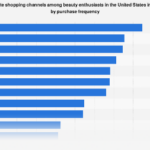
In the dynamic and ever-expanding U.S. beauty market, understanding consumer purchasing habits is paramount for brands, retailers, and investors alike. A comprehensive survey of American beauty enthusiasts in 2024 reveals a clear hierarchy of preferred shopping channels, highlighting a persistent reliance on traditional retail formats while acknowledging the significant and growing influence of e-commerce giants and specialized online platforms. The data indicates that physical retail, particularly mass merchandisers, continues to hold a dominant position, yet the digital realm is far from an afterthought, with a substantial majority of consumers integrating online avenues into their beauty acquisition strategies.
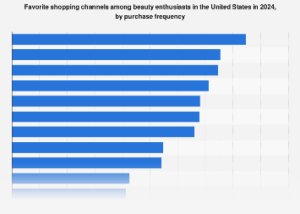
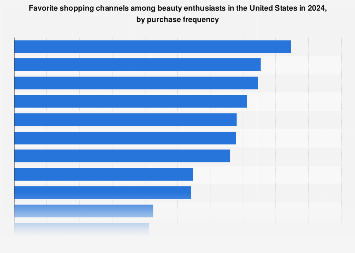
At the forefront of consumer preference for beauty product purchases is the in-store mass retailer channel, cited by an overwhelming 84.7% of respondents. This segment, encompassing large chain stores offering a wide array of products from various brands, suggests that convenience, product variety, and perhaps the tactile experience of shopping remain critical drivers for a vast number of beauty consumers. These retailers often serve as one-stop shops, providing not only beauty items but also everyday essentials, making them a highly efficient choice for regular replenishment of cosmetic staples. The ability to see, touch, and test products, coupled with immediate availability, likely underpins this strong preference.
Following closely behind, and demonstrating the formidable reach of online marketplaces, is Amazon. The e-commerce behemoth captured the attention of 75.5% of beauty shoppers as a frequently used channel. Amazon’s appeal lies in its vast selection, competitive pricing, rapid delivery options, and the convenience of a single platform for numerous purchases. For beauty consumers, this translates into easy access to a universe of brands, from mass-market favorites to niche and emerging labels, often with user reviews and detailed product information readily available. This digital giant has effectively blurred the lines between online and offline shopping, offering a seamless experience that resonates with modern consumers.
The third most popular channel, with 74.6% of beauty enthusiasts frequenting it, is the in-store beauty retailer. This category typically includes specialized beauty stores like Sephora or Ulta Beauty, which offer a curated selection of high-end, prestige, and professional beauty products. These retailers provide a more specialized shopping experience, often with knowledgeable staff, in-store beauty services, and exclusive brands, appealing to consumers seeking expert advice and a more personalized approach to their beauty routines. The strong performance of this segment indicates that while convenience is key, the desire for expert guidance and a premium shopping environment also plays a significant role in purchasing decisions.
Online mass retailers, distinct from Amazon, also command a significant share of the beauty market, with 71.3% of consumers utilizing them. This category could include the online storefronts of large department stores or dedicated e-commerce platforms focusing on a broad range of goods. Their strength lies in replicating the breadth of selection found in physical mass retailers, but with the added benefits of online convenience.
Drugstores, a staple for everyday health and beauty needs, are utilized by 68.2% of beauty shoppers. These accessible locations offer a convenient option for purchasing essential beauty products, often at affordable price points. Their ubiquity makes them a go-to for quick top-ups and routine purchases.
Online beauty retailers, specializing solely in beauty products, are a preferred channel for 67.9% of consumers. This segment, distinct from broader online mass retailers, focuses exclusively on cosmetics, skincare, and haircare. They often provide a highly curated selection, in-depth product information, and community-driven content, appealing to consumers with specific beauty interests.
Brand websites remain a crucial touchpoint for 66.1% of beauty enthusiasts. Direct-to-consumer (DTC) sales allow brands to control the customer experience, offer exclusive products or promotions, and build direct relationships with their clientele. This channel is particularly important for consumers loyal to specific brands or seeking unique product formulations and early access to new releases.
Further down the list, beauty supply stores, often catering to professional stylists and consumers seeking specialized hair and nail care products, are used by 54.7% of shoppers. Department stores, known for their curated selection of luxury and designer beauty brands, are favored by 54.2%. These channels appeal to consumers seeking a more elevated or specialized product assortment.
The rise of online-only retailers, which may include smaller, niche e-commerce platforms, is noted by 42.6% of consumers. This indicates a growing segment of shoppers willing to explore beyond the major players for unique finds and curated experiences. Salons and barbershops, traditionally focused on services, are also becoming relevant for product purchases, with 41.3% of consumers buying beauty items from these establishments, likely influenced by recommendations from stylists.
Social media platforms, while not always direct transactional channels, are increasingly influential in discovery and purchasing decisions, with 34.8% of consumers engaging with them for beauty product acquisition. This highlights the power of influencer marketing, user-generated content, and targeted advertising in shaping consumer choices. Dermatologists’ offices or medical spas (Derm or Medspa) are utilized by 32.3% for beauty purchases, suggesting a growing trend towards scientifically backed and clinically proven skincare and aesthetic products. Day spas also contribute to product sales, with 25% of consumers making purchases there, often for relaxation-focused or specialized treatments. Finally, TV shopping channels, a more traditional direct-to-consumer model, still hold a niche appeal for 22.3% of beauty shoppers.
The overall data paints a picture of a multi-channel beauty consumer in the U.S. While the convenience and accessibility of mass retailers, both online and in-store, are undeniable strengths, the market also shows a strong appreciation for specialized beauty retailers, direct brand engagement, and the growing influence of digital platforms. This complexity necessitates a sophisticated, integrated marketing and sales strategy for beauty brands aiming to capture a significant share of this vibrant and evolving market. The increasing overlap between physical and digital shopping experiences, coupled with the demand for personalized recommendations and curated selections, will continue to shape how American consumers discover, evaluate, and ultimately purchase their beauty essentials in the years to come. The economic impact of these diverse channels is substantial, driving innovation, employment, and significant revenue streams across the retail and beauty industries.