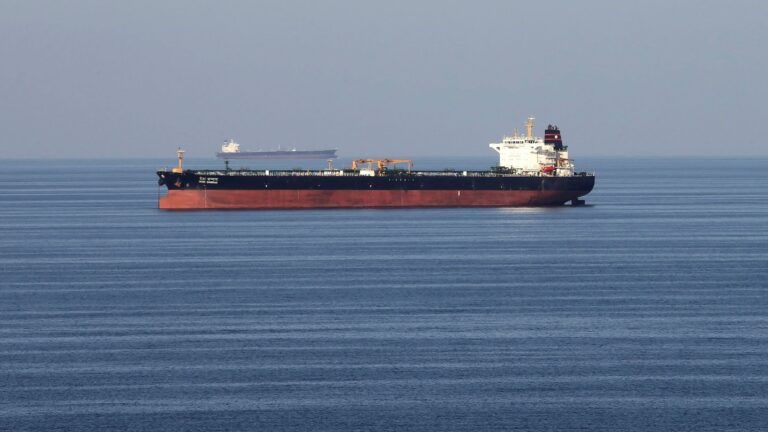

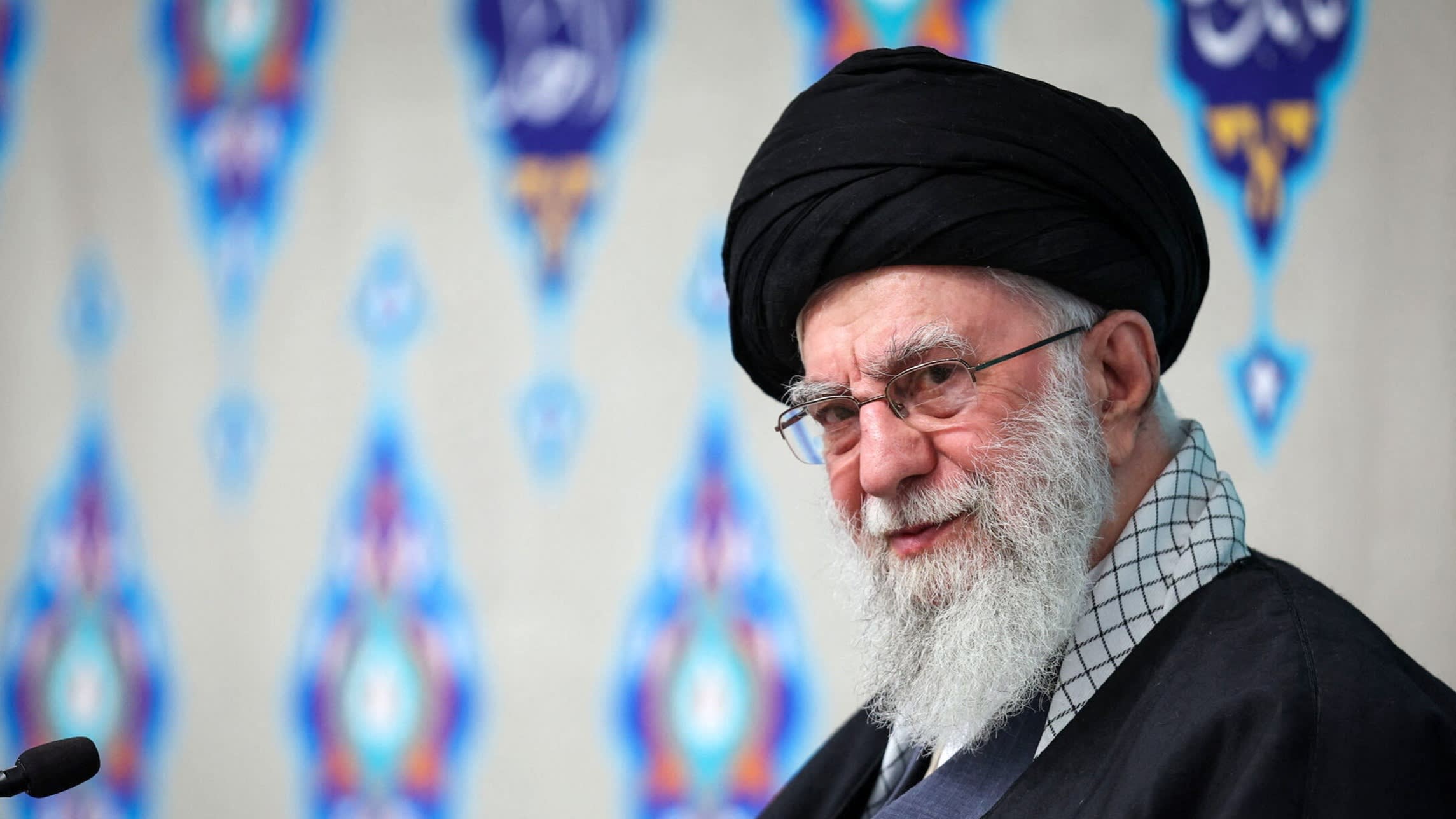
The passing of Ayatollah Ali Khamenei at the age of 87 marks the end of a nearly four-decade era that transformed the Islamic Republic of Iran from a post-revolutionary state into a complex, sanctioned, yet resilient regional power. As the news reverberated through the halls of power in Tehran and across global capitals, the immediate reaction in international markets was one of profound uncertainty. Crude oil futures spiked by 4% in early trading on the Intercontinental Exchange (ICE), reflecting fears of a volatile succession process in a nation that sits atop the world’s fourth-largest oil reserves and second-largest gas reserves. For the global community, the departure of Iran’s second Supreme Leader is not merely a moment of mourning or transition for the Iranian people; it is a critical inflection point for the geopolitical architecture of the Middle East and the future of the "Resistance Economy" that Khamenei spent decades cultivating.
Khamenei’s tenure, which began in 1989 following the death of the revolution’s founder, Ayatollah Ruhollah Khomeini, was defined by an unwavering commitment to the preservation of the theocratic system (Velayat-e Faqih). Unlike his charismatic predecessor, Khamenei operated as a master tactician, balancing the competing interests of the clerical establishment, the military-industrial complex represented by the Islamic Revolutionary Guard Corps (IRGC), and a restive population. His economic legacy is perhaps his most debated contribution. Under his direction, Iran adopted the "Resistance Economy" doctrine—a strategy designed to insulate the domestic market from Western sanctions by fostering self-sufficiency, diversifying trade partners toward the East, and strengthening the "grey market" networks that allowed Iranian crude to continue flowing to refineries in China.
The economic landscape Khamenei leaves behind is one of stark contradictions. On one hand, Iran has developed a sophisticated domestic industrial base, including advanced aerospace, pharmaceutical, and automotive sectors that operate largely independent of Western supply chains. On the other hand, the Iranian Rial has suffered chronic devaluation, losing more than 90% of its value against the US dollar over the last decade, while inflation has hovered stubbornly between 40% and 50%. These macroeconomic pressures have hollowed out the Iranian middle class, leading to waves of civil unrest, most notably the "Woman, Life, Freedom" protests of 2022, which challenged the very foundations of Khamenei’s social and religious mandates.
A central pillar of the Khamenei era was the meteoric rise of the IRGC as both a military force and an economic behemoth. Under the Supreme Leader’s patronage, the Guard transitioned from a frontline defense force during the Iran-Iraq War to a conglomerate with interests in construction, telecommunications, energy, and finance. Estimates suggest that the IRGC and its affiliated bonyads—charitable foundations that report directly to the Supreme Leader—control between 20% and 30% of the Iranian economy. This "deep state" economy has provided a safety net for the regime, ensuring that the ruling elite remained solvent even as international sanctions, particularly those re-imposed after the United States’ withdrawal from the Joint Comprehensive Plan of Action (JCPOA) in 2018, strangled the formal banking sector.
Expert analysts suggest that the vacuum left by Khamenei will trigger an intense struggle for the soul of the Iranian state. The Assembly of Experts, the body tasked with selecting the next Supreme Leader, faces a choice that will determine Iran’s economic trajectory for the next generation. The potential candidates are categorized into two primary camps: the traditionalists, who favor a continuation of the current path of isolation and ideological purity, and the pragmatists, who recognize that the survival of the Republic may depend on reintegration into the global financial system and the easing of social restrictions. The shadow of Mojtaba Khamenei, the late leader’s son, looms large over this process, raising questions about whether the office of the Supreme Leader will transition toward a hereditary model, a move that could further alienate the Iranian public and certain factions within the clergy.
The global implications of this transition cannot be overstated. Under Khamenei, Iran significantly pivoted its foreign policy toward the "Look to the East" strategy. This resulted in a landmark 25-year, $400 billion strategic partnership agreement with China and a deepening military alliance with Russia, particularly evidenced by the export of Iranian drone technology during the conflict in Ukraine. For Beijing and Moscow, a stable Iran is a vital node in the Eurasian trade corridor and a counterweight to American influence in the Persian Gulf. Conversely, for the West, the transition represents a precarious window of opportunity. If a more moderate leadership emerges, there may be a path toward a renewed nuclear agreement and a de-escalation of regional tensions. However, if the IRGC asserts more direct control during the interregnum, the risk of a more aggressive, militarized foreign policy increases.
Regional dynamics are also poised for a recalibration. Khamenei was the architect of the "Axis of Resistance," a network of non-state actors including Hezbollah in Lebanon, the Houthis in Yemen, and various militias in Iraq and Syria. This forward-defense strategy allowed Iran to project power far beyond its borders, creating a "land bridge" to the Mediterranean. The death of the leader who provided the ideological and financial glue for this network creates immediate questions about the continuity of funding and strategic direction for these groups. Security analysts are closely watching for any signs of instability in these proxy relationships, which could either lead to a temporary lull in regional conflicts or a chaotic scramble for influence that could ignite further violence.
From an investment and risk management perspective, the post-Khamenei era introduces a period of heightened "regime risk." Foreign direct investment (FDI) into Iran, which has been largely stagnant outside of the energy sector, is unlikely to see a resurgence until a clear successor is established and a predictable policy framework is presented. The Tehran Stock Exchange (TSE), which has often acted as a hedge against inflation for domestic investors, is expected to experience extreme volatility as the market digests the potential for structural reforms or, conversely, a crackdown on private enterprise by hardline factions.
Furthermore, the demographic shift within Iran presents a ticking clock for the next leader. With over 60% of the population under the age of 30, the new Supreme Leader will inherit a citizenry that is increasingly secular, globally connected via the internet despite heavy filtering, and frustrated by the lack of economic opportunity. The "Resistance Economy" may have saved the regime from collapse, but it has failed to provide the growth necessary to employ millions of young graduates. The social contract, which once traded economic stability for political compliance, is effectively broken.
As the funeral ceremonies begin in Tehran, the world watches a nation at a crossroads. The legacy of Ali Khamenei is written in the steel of Iranian missiles and the resilience of its shadow markets, but it is also written in the scars of a society that has endured decades of isolation. The transition will be the ultimate test of the institutional stability he sought to build. Whether Iran moves toward a more inclusive, economically integrated future or retreats further into a fortress-state mentality will be the defining story of the coming decade. For now, the global economy remains on edge, recognizing that the stability of the Middle East—and by extension, the security of global energy supplies—rests on the decisions made in the secretive chambers of the Iranian leadership in the days and weeks to follow.