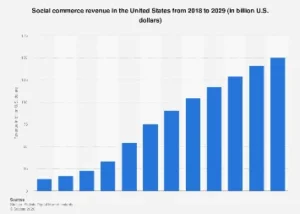


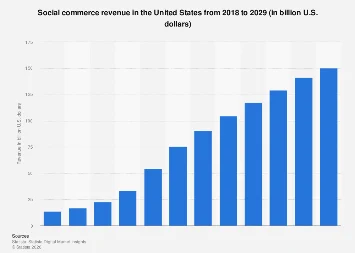
The United States social commerce market is on an unprecedented growth trajectory, with revenue projected to surge dramatically over the next decade. Industry analysts anticipate that by 2029, the market will reach substantial new heights, reflecting a profound shift in consumer purchasing behavior and the increasing integration of e-commerce within social media platforms. This evolving landscape presents both significant opportunities and strategic challenges for businesses operating within the digital retail sphere.
The foundational elements of social commerce, characterized by the seamless integration of shopping experiences directly within social networks, have been steadily building momentum. Early iterations of this trend focused on shoppable posts and direct links from social media profiles to product pages. However, the current evolution is far more sophisticated, encompassing live shopping events, in-app checkout functionalities, and influencer-driven product endorsements that blur the lines between content consumption and transactional activity. This fusion is particularly resonant with younger demographics, who increasingly view social media not just as a communication tool but as a primary destination for product discovery and purchasing.
Market projections indicate a compound annual growth rate (CAGR) that underscores the sector’s vitality. While specific figures fluctuate based on the methodology of different research firms, a consensus points towards a market that will more than quintuple its current valuation by the end of the decade. This expansion is fueled by several interconnected factors. Firstly, the increasing ubiquity of smartphones and robust mobile internet infrastructure ensures consumers have constant access to social platforms and online retail capabilities. Secondly, the sophisticated algorithms employed by social media giants are becoming adept at personalizing product recommendations, creating a more tailored and compelling shopping experience. This hyper-personalization, when executed effectively, can significantly boost conversion rates.
The COVID-19 pandemic acted as a significant accelerant for the social commerce market. Lockdowns and social distancing measures compelled consumers to adopt online shopping habits more broadly, and social platforms, already central to daily life, became natural conduits for this shift. Brands that had previously been hesitant to invest in social commerce strategies were forced to pivot, recognizing the critical need to meet customers where they were spending their time. This period saw an influx of businesses experimenting with live selling, influencer collaborations, and direct-to-consumer sales channels integrated within platforms like Instagram, Facebook, TikTok, and Pinterest. The resulting familiarity and convenience have fostered a lasting preference for this mode of shopping among a wider consumer base.
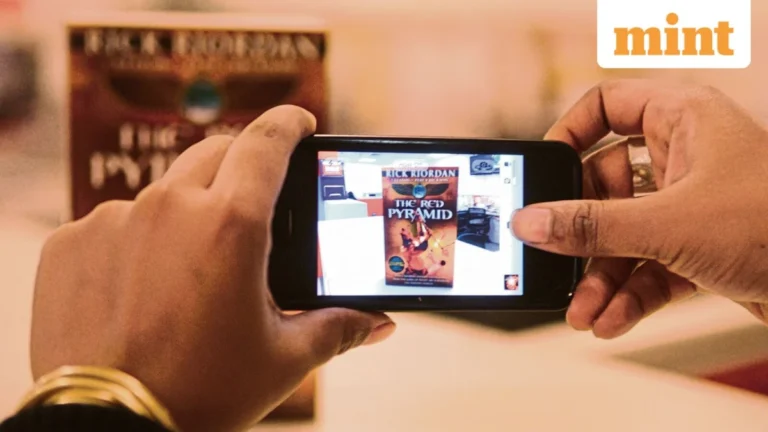
Looking ahead, the competitive landscape within social commerce is expected to intensify. Major social media players are continuously investing in enhancing their e-commerce functionalities, introducing new tools for merchants, and refining the user experience to facilitate smoother transactions. For instance, platforms are developing more advanced analytics to help brands understand customer behavior within the social commerce environment, enabling them to optimize their strategies. Furthermore, the rise of augmented reality (AR) and virtual reality (VR) technologies holds the potential to further revolutionize social commerce. Imagine trying on clothes virtually through an AR filter on Instagram or exploring a virtual showroom for a product on Facebook, all without leaving the app. These immersive experiences are poised to become increasingly commonplace, offering a more engaging and informative alternative to traditional online browsing.
The economic impact of this burgeoning market extends beyond direct sales. Social commerce creates new avenues for entrepreneurship, enabling individuals and small businesses to reach a global audience with relatively low startup costs. Influencer marketing, a cornerstone of social commerce, has evolved into a significant industry in itself, providing income streams for content creators and driving brand awareness and sales for businesses. Moreover, the data generated through social commerce transactions offers invaluable insights into consumer preferences, market trends, and product performance, which can inform broader business strategies and product development cycles.
However, challenges remain. Issues surrounding data privacy, consumer trust, and the potential for oversaturation of the market require careful consideration. Brands must navigate the complexities of building authentic relationships with their audience on social media, ensuring that promotional content feels organic rather than intrusive. The ethical implications of targeted advertising and the potential for impulse buying also present ongoing debates. Furthermore, ensuring secure payment gateways and efficient logistics for social commerce transactions are critical for sustained growth and customer satisfaction.
Global comparisons highlight the universality of this trend, though adoption rates and specific platform preferences vary by region. While the US market is a significant driver, similar growth patterns are being observed in Asia, particularly in countries like China where social commerce has been deeply embedded for years, and in emerging markets where mobile-first consumption is the norm. This global perspective suggests that social commerce is not merely a fleeting trend but a fundamental reshaping of the retail paradigm.
In conclusion, the projected revenue growth for the US social commerce market through 2029 signifies a transformative period for retail. The convergence of social media, technology, and consumer behavior has created a dynamic ecosystem that rewards businesses capable of adapting to its evolving demands. As platforms continue to innovate and consumer engagement deepens, social commerce is set to become an indispensable component of the modern retail strategy, offering unparalleled opportunities for connection, engagement, and commerce.