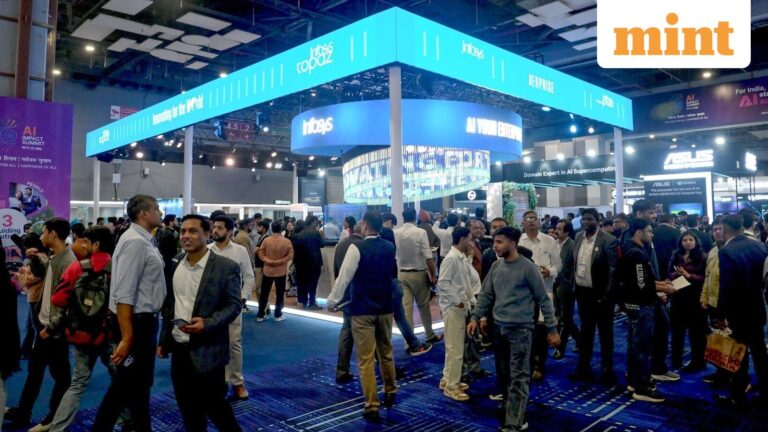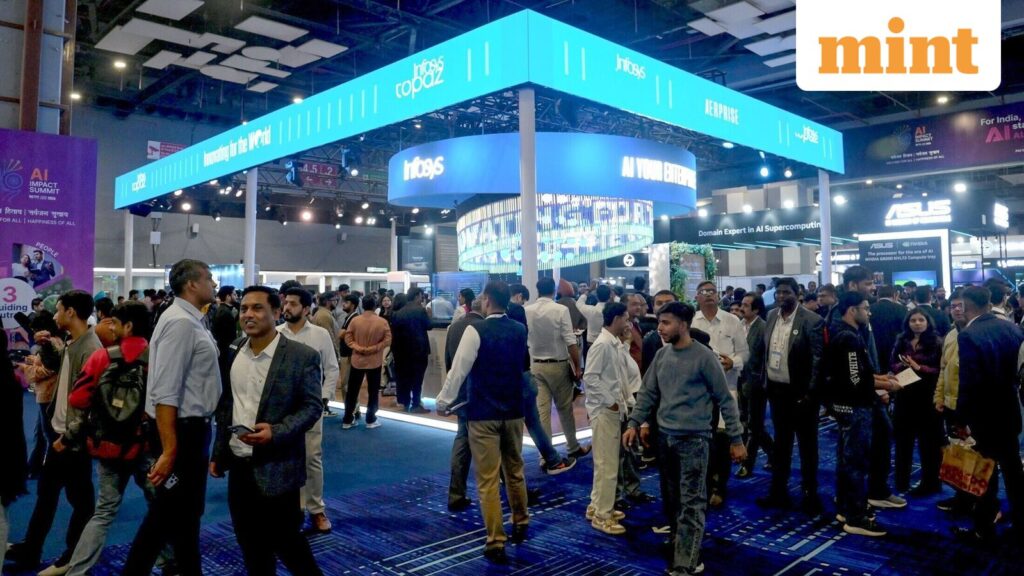


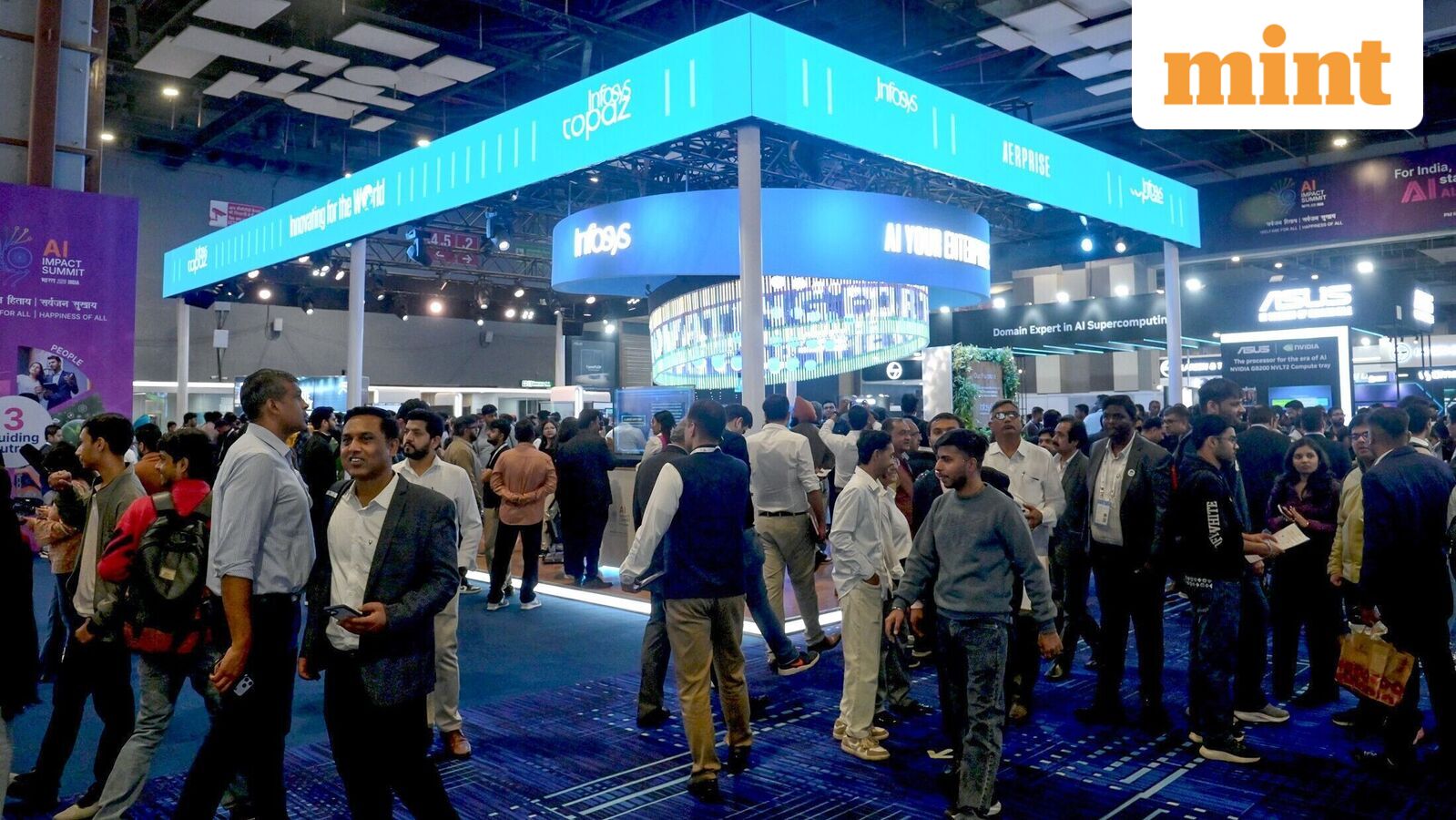
The recent AI Impact Summit in New Delhi, held from February 16 to 20, transcended the traditional confines of a technology showcase, emerging instead as a potent nexus for commercial exchange, influence generation, and sophisticated digital engagement. Far from merely unveiling cutting-edge artificial intelligence advancements and articulating national technological ambitions, the five-day event underscored a profound paradigm shift: physical gatherings, particularly those centered on disruptive technologies, are increasingly becoming fertile grounds for dynamic marketing partnerships, novel content monetization strategies, and expansive online amplification. This transformation signals a critical evolution in how brands connect with audiences and how creators leverage their influence, fundamentally redefining the return on investment for large-scale corporate participation.
At the heart of this evolving landscape lies the burgeoning creator economy, which demonstrated its formidable commercial power during the summit. Influencers specializing in technology and engineering content reported earning an entire month’s income within the event’s five-day span, a testament to the concentrated demand for authentic, creator-led narratives. This accelerated monetization was driven by direct collaborations with exhibitors, sponsored content opportunities, and the inherent virality of topical discussions around AI. For creators like Arsh Goyal, a prominent tech and engineering content specialist with nearly half a million Instagram followers, the summit provided an unparalleled convergence of potential brand partners. Beyond financial gains, the event facilitated invaluable networking, enabling creators to engage directly with the leadership of global tech giants, fostering goodwill and nurturing long-term strategic relationships that extend beyond immediate transactional value across platforms like YouTube, Instagram, and LinkedIn. This intense burst of activity underscores the growing economic significance of individual digital entrepreneurs within the broader technology ecosystem, a sector globally estimated to be worth over $250 billion and projected to surpass $480 billion by 2027.
For participating brands, the summit delivered a potent, albeit perhaps unexpected, strategic revelation: their most effective marketing asset was not the meticulously designed exhibition booth, but rather a creator armed with a smartphone and an engaged audience. Exhibitors, ranging from government departments and established tech behemoths to financial firms and nascent AI startups, significantly invested in leveraging influencers to amplify their presence. Entities such as the Department of Food and Public Distribution, the Ministry of Skill Development and Entrepreneurship, Tata Group companies, Google, Mastercard, Meta, Exotel, and Emergent AI strategically engaged with creators. This strategic pivot reflects a broader shift in corporate communication, recognizing that authentic voices often resonate more powerfully than traditional corporate messaging. For B2B companies, this meant a rigorous focus on tech influencers demonstrating a deep, nuanced understanding of their complex offerings, ensuring that representation was both authoritative and credible. The sheer volume of content being generated necessitated a stringent vetting process, with brands meticulously handpicking creators to ensure alignment with their messaging and values amidst the competitive digital chatter.
The strategic imperative behind this shift is clear: maximize the return on event investment. As Aditya Gurwara, co-founder of creator intelligence platform Qoruz, articulated, brands typically employ influencers to showcase innovations on social media when investing in physical booths. However, at the AI summit, this strategy was executed on an unprecedented scale. Recognizing that physical attendance is always limited, the majority of engagement around such mega-events now transpires online. This digital amplification allows brands to transcend geographical barriers and extend their reach far beyond the physical venue, effectively multiplying the impact of their event participation. Gurwara further emphasized that while creators are essential amplifiers, achieving truly transformative growth requires specific scale, noting that future summits will offer similar expansion opportunities provided they attract global corporate participation necessary to achieve critical mass.
Perhaps one of the most compelling insights from the summit’s digital footprint was the democratized reach it achieved, extending far beyond metropolitan centers. Data from Qoruz revealed a staggering statistic: 65% of the total online engagement generated around the event originated from audiences in smaller towns. This phenomenon highlights India’s unique digital adoption landscape, where internet penetration and smartphone usage are rapidly expanding into Tier 2 and Tier 3 cities and rural areas. Global generative AI leaders proactively partnered with both mass-reach and hyper-local creators to tap into these previously underserved demographics. Akash Jadhav, co-founder and CEO of Indian Farmer, an agriculture-focused digital platform with over 15 million followers across India, explained how AI companies collaborated with his platform during the summit to promote practical, relatable use cases. Examples included AI-driven weather forecasting and advanced crop understanding, demonstrating how complex AI solutions are being tailored and disseminated to impact everyday lives in non-urban contexts, effectively bridging the digital divide and accelerating AI adoption across diverse socio-economic strata.
The inherent topicality of artificial intelligence itself proved to be a powerful catalyst for content creation and engagement. The rapid advancements and widespread discussions surrounding AI fueled a pervasive public curiosity, creating a fertile ground for digital content. Creators, even those who did not attend the summit in person, capitalized on this heightened interest by producing summit-themed content. Madhumita M, a geopolitical and social content creator, observed that her videos discussing the AI Impact Summit, even those offering critical perspectives on India’s AI capability building versus mere optics, performed three to four times better than her usual content in terms of views. This surge in engagement was driven by the public’s thirst for updates, opinions, and analyses from those who were either present or critically observing the event. This phenomenon of "topical virality" meant that many brands inadvertently gained significant showcase visibility without directly paying for marketing. Harshil Mathur, CEO of fintech firm Razorpay, recounted how his company received organic social media visibility through young influencers who approached him with insightful questions during the summit, subsequently featuring him and his company’s innovations in their widely viewed videos. This serendipitous amplification underscores the immense power of genuine interest and the ripple effect of creator-led content.
The sheer volume of digital activity surrounding the event was staggering. Over 16,000 posts flooded platforms like Instagram, YouTube, Facebook, and X (formerly Twitter) from more than 5,500 Indian creators during and immediately after the summit. This deluge of content, driven by a blend of paid partnerships and organic enthusiasm, transformed the AI Impact Summit into a distributed, multi-platform media event. The implications of this scale are profound for both the creator economy and corporate marketing strategies. It necessitates a more nuanced approach to event planning, integrating digital amplification as a core component from conception. For creators, it validates their role not just as entertainers, but as critical conduits for complex information and authentic brand storytelling.
Looking ahead, this trend points towards a future where the lines between physical events and digital experiences continue to blur, driven by the symbiotic relationship between emerging technologies like AI and the dynamic creator economy. Event organizers will increasingly need to build frameworks that seamlessly integrate creators, providing dedicated spaces, resources, and structured collaboration opportunities. For brands, the strategic imperative will be to refine their influencer engagement models, moving beyond transactional relationships to foster genuine partnerships based on shared values and long-term objectives. The challenges will include maintaining authenticity amidst growing commercialization, effectively measuring the nuanced impact of creator campaigns, and navigating content saturation. However, the economic impact is clear: a robust creator ecosystem not only empowers individual entrepreneurs but also provides a powerful, scalable, and authentically engaging marketing channel that can democratize access to information and drive economic activity in previously untapped markets, ensuring that the algorithmic echo chamber of future AI summits resonates across all strata of society.