


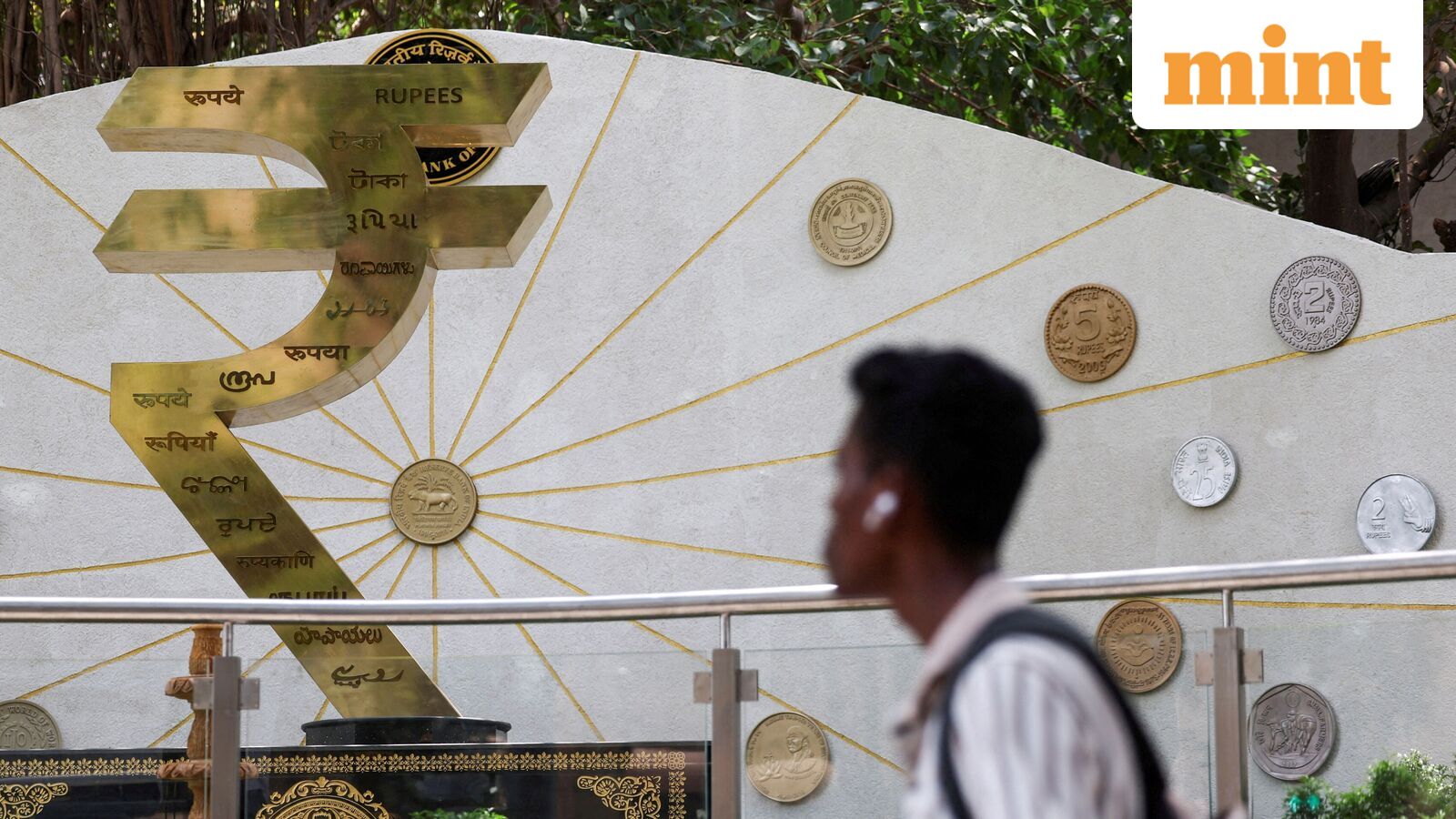
The global financial landscape is on the cusp of a significant transformation as central banks worldwide accelerate their exploration and implementation of digital currencies. At the forefront of this evolution, India and the United Arab Emirates are poised to establish a groundbreaking bilateral link between their respective sovereign digital currencies, the e-Rupee and the Digital Dirham. This strategic collaboration, currently under active discussion between the Reserve Bank of India (RBI) and the Central Bank of the UAE (CBUAE), promises to revolutionize cross-border money transfers, making them instantaneous, more cost-effective, and significantly more efficient, thereby deepening the already robust economic ties between the two nations.
For decades, international remittances and trade finance have relied on a complex web of correspondent banking relationships, often involving multiple intermediaries, high transaction fees, and protracted settlement times that can stretch from days to weeks. This friction has been a persistent challenge, particularly for economies heavily reliant on remittances, such as India, which consistently ranks as the world’s largest recipient of inward remittances, attracting over $125 billion in 2023, according to the World Bank. The UAE stands as a critical pillar in this financial flow, having historically been one of the top sources of remittances to India, currently accounting for approximately 19.2% of the total, surpassed only recently by the United States. With over 4 million Indian expatriates residing in the UAE, their ability to send money home quickly and cheaply is not merely a convenience but a vital economic lifeline for millions of families.
The advent of Central Bank Digital Currencies (CBDCs) offers a radical departure from these traditional mechanisms. Unlike conventional bank transfers that move through various financial institutions, CBDC transactions are designed to facilitate direct, wallet-to-wallet transfers, bypassing intermediaries and significantly reducing latency. This near-instantaneous settlement capability is a cornerstone of the appeal for both retail transactions, such as individual remittances, and large-value wholesale transactions between businesses and financial institutions. The RBI has been at the vanguard of CBDC innovation, piloting its e-Rupee since late 2022. As of December data, the retail e-Rupee (CBDC-R) has already seen adoption by over eight million users, processing more than 120 million transactions valued at approximately ₹28,000 crore (around $3.3 billion). This extensive pilot phase has provided valuable insights into the operational nuances and potential scalability of a national digital currency. Similarly, the CBUAE launched its Digital Dirham as legal tender in 2024, signaling its commitment to digital financial innovation and positioning the UAE as a forward-thinking global financial hub.
The proposed CBDC corridor extends its potential impact far beyond just remittances. The bilateral economic relationship between India and the UAE is multifaceted, encompassing significant trade, investment, and tourism flows. Total bilateral trade between India and the UAE reached approximately $85 billion in FY2022-23, with both nations targeting an ambitious $100 billion in non-oil trade by 2030 under their Comprehensive Economic Partnership Agreement (CEPA). Major Emirati entities like LuLu Group, DP World, and Emaar Properties have substantial investments and operations in India, while Indian conglomerates such as Larsen & Toubro, Tata Group, and Reliance Industries maintain a significant presence in the UAE. A CBDC linkage could dramatically streamline business-to-business (B2B), business-to-consumer (B2C), and even government-to-government (G2G) payment transactions, reducing foreign exchange conversion costs, accelerating supply chain finance, and enhancing overall trade efficiency. Imagine a scenario where an Indian exporter receives payment in Digital Dirham instantly, which can then be converted to e-Rupee or used directly for import payments from the UAE, all without the customary delays and fees associated with traditional banking rails.

Experts in financial technology view this bilateral initiative as a pivotal step in realizing the full potential of CBDCs for cross-border payments. Mihir Gandhi, Partner and Leader for Payments Transformation at PwC India, notes that such a linkage would essentially create a "parallel channel" to existing remittance routes. This parallel infrastructure could offer users a choice, fostering competition among payment providers and potentially driving down costs across the board. The mechanics would likely involve a fintech or banking entity present in both jurisdictions, capable of debiting a customer’s e-Rupee CBDC account in India and crediting a Digital Dirham CBDC account in the UAE, or vice versa, with real-time foreign exchange conversion integrated into the process. This model represents a significant leap from the current fragmented and often opaque system.
However, the path to seamless cross-border CBDC payments is not without its complexities and regulatory hurdles. A primary challenge revolves around balancing anonymity with traceability. While CBDCs are designed to emulate the cash-like attributes of physical currency, offering a degree of anonymity, international financial regulations, particularly those aimed at combating money laundering (AML) and terrorist financing (CFT), necessitate robust traceability. Unlike the UPI system in India, which inherently links transactions to bank accounts, ensuring traceability, the "cash-like" nature of retail CBDCs raises questions about how foreign exchange guidelines and financial crime prevention measures will be enforced across borders. Parijat Garg, an independent fintech expert, highlights this dilemma, suggesting that regulatory bodies might need to impose transaction limits for retail CBDC transfers or mandate stringent Know Your Customer (KYC) verification for linked wallets, especially for high-value transactions. This delicate balancing act will be crucial to ensure the integrity and security of the digital payment corridor.
Beyond regulatory considerations, robust technological infrastructure and interoperability standards are paramount. For the bilateral link to function effectively, both countries’ CBDC platforms must be technically compatible, allowing for seamless communication and transaction processing. Cybersecurity also looms large as a critical concern, given the digital nature of these currencies and the potential for sophisticated cyber threats. Furthermore, while the initial focus is bilateral, the long-term vision for CBDCs often extends to multilateral arrangements, requiring global cooperation on standards and protocols to create a truly interconnected digital financial ecosystem. The RBI’s FY25 annual report explicitly stated its intention to explore CBDC pilots for cross-border payments on both bilateral and multilateral bases, underscoring a strategic intent to play a "shaping role" in building interoperable CBDC arrangements, particularly among emerging markets. This proactive stance positions India as a leader in advocating for sovereign digital currencies as a superior alternative to unregulated stablecoins, which RBI Deputy Governor T. Rabi Sankar has argued do not offer any advantage that fiat-backed CBDCs cannot provide more effectively and securely.
The economic implications of a successful India-UAE CBDC corridor are profound. For individuals, particularly migrant workers, it translates into tangible savings from reduced remittance fees and faster access to funds, potentially boosting their disposable income. For businesses, it means lower operational costs, accelerated cash flows, and enhanced competitiveness in international trade. Moreover, by fostering greater efficiency and transparency in cross-border transactions, the initiative can contribute to greater financial inclusion, bringing more people into the formal financial system. The collaboration also strengthens the geopolitical standing of both India and the UAE, showcasing their commitment to financial innovation and their capacity to forge advanced economic partnerships. As global central banks continue to navigate the complexities of digital currencies, the India-UAE CBDC link stands as a testament to the potential for international cooperation to redefine the future of global finance, paving the way for a new era of instant, secure, and accessible cross-border payments.