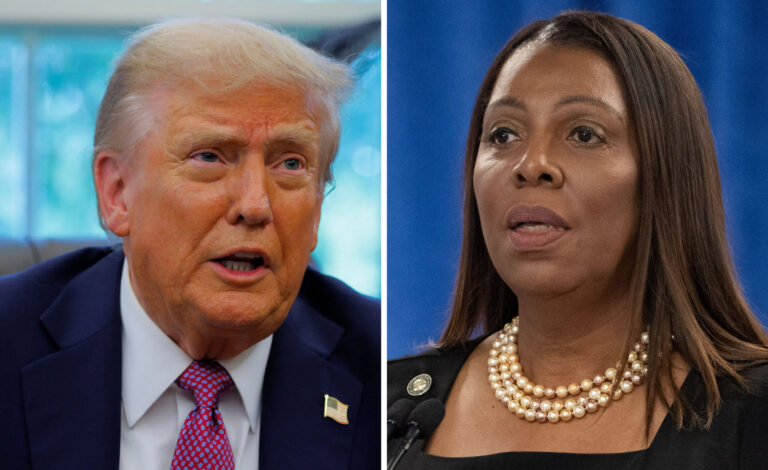


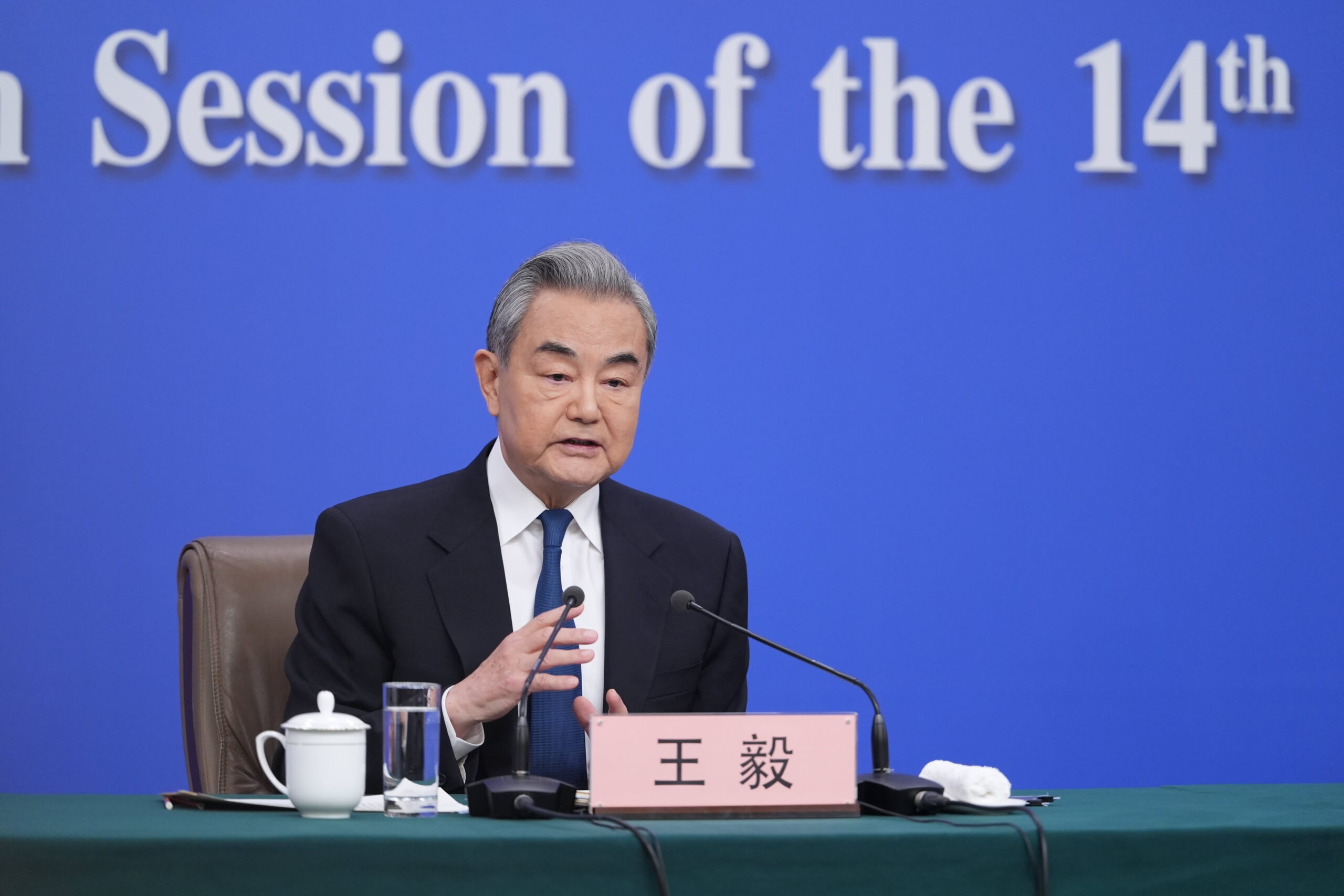
The delicate architecture of international relations is currently facing its most rigorous stress test in decades as Beijing and Washington attempt to coordinate a high-stakes summit against a backdrop of escalating military conflict in the Middle East and a precarious trade truce. Chinese Foreign Minister Wang Yi, speaking on the sidelines of the 14th National People’s Congress in Beijing, signaled on Sunday that while the "agenda of high-level exchanges is already on the table," the path to a successful meeting between President Xi Jinping and President Donald Trump remains fraught with "unnecessary disruptions." The diplomatic choreography required to facilitate Trump’s proposed visit to China, tentatively scheduled for March 31 to April 2, has become increasingly complex as the two superpowers grapple with divergent interests in a rapidly destabilizing global order.
Wang Yi’s remarks, delivered with the measured caution characteristic of China’s top diplomat, underscored a fundamental reality: the "strategic safeguard" provided by leader-to-leader communication is the only mechanism preventing a total collapse of the bilateral relationship. However, the "suitable environment" Wang deems necessary for such a meeting is currently obscured by the smoke of a widening war in Iran and the aggressive unilateralism that has come to define the current American administration. With the global economy already reeling from years of trade friction, the prospect of a failed summit or a further escalation in hostilities threatens to push the international community into an era of unprecedented economic fragmentation.
The Shadow of the Iran Conflict
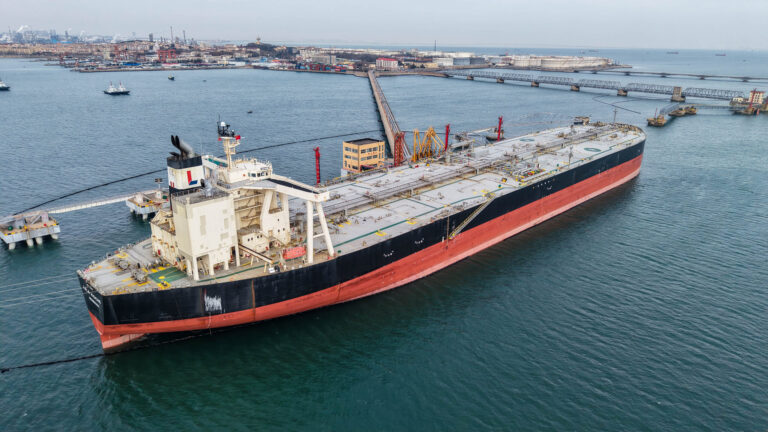
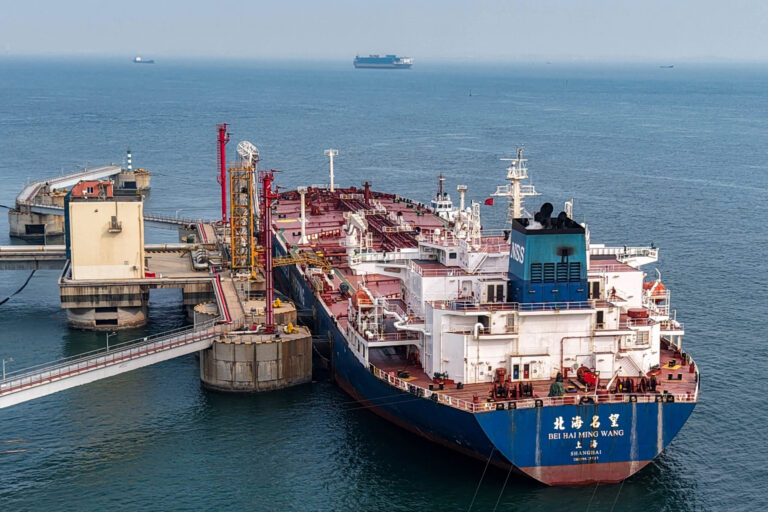
The most immediate threat to the planned March summit is the volatility in the Middle East. Following joint U.S.-Israeli strikes that resulted in the death of Iranian Supreme Leader Ayatollah Ali Khamenei, the region has been plunged into a state of total war. For Beijing, which has cultivated deep economic and energy ties with Tehran as part of its Belt and Road Initiative, the conflict is not merely a regional security issue but a direct threat to its national interests. China remains the largest purchaser of Iranian crude oil, and any prolonged disruption in the Persian Gulf risks a massive energy price shock that could derail China’s domestic economic recovery.
Wang Yi has been hyper-active on the diplomatic front, engaging in urgent consultations with counterparts from Russia, Israel, and Iran. Beijing’s position remains steadfastly focused on a ceasefire, with Wang describing the hostilities as "a war that should not have happened." From an economic perspective, the conflict has already sent ripples through global markets. Brent crude prices have seen significant volatility, and the cost of maritime insurance for vessels transiting the Strait of Hormuz has skyrocketed. For the U.S. and China to sit down at the negotiating table while such a conflict rages requires a level of "risk management" that Wang Yi admits is currently being tested to its limits.
The geopolitical landscape is further complicated by the recent U.S. capture of Venezuelan leader Nicolas Maduro, an event that has signaled a more assertive and interventionist American foreign policy in the Western Hemisphere. Beijing views these developments with profound skepticism, seeing them as evidence of a "Cold War mentality" that prioritizes hegemony over collective security. The challenge for diplomats in both capitals is to prevent these external crises from poisoning the bilateral agenda, even as the ideological gap between the two nations continues to widen.

Trade Tariffs and the Fragile Economic Truce
While the drums of war provide the dramatic backdrop, the underlying tension in the relationship remains rooted in trade and technology. In October, the U.S. and China reached a fragile one-year truce, lowering mutual tariffs to below 50%. While this was celebrated as a de-escalation at the time, it is important to remember the scale of the preceding trade war. During the peak of tensions last spring, duties had been ratcheted up to well over 100% on a wide array of goods, effectively decoupling large sectors of the two largest economies in the world.
A 50% tariff rate remains historically high and continues to act as a significant drag on global GDP. Economists estimate that the sustained trade friction between the U.S. and China has shaved nearly 1% off global economic growth over the last three years. Supply chains have been forced into costly reorganizations, with many firms shifting production to Southeast Asia or Mexico in a "China Plus One" strategy. However, the sheer scale of China’s manufacturing base means that total decoupling remains a logistical and economic impossibility for most multinational corporations.
Wang Yi’s warning against "erecting tariff barriers and pushing for economic and technological decoupling" was pointed. His metaphor—that such actions are akin to "using kindling to put out a fire"—suggests that Beijing views trade restrictions not as a tool of leverage, but as a catalyst for mutual destruction. The Chinese leadership is particularly concerned about U.S. efforts to restrict China’s access to advanced semiconductors and AI technology, viewing these measures as a direct attempt to stifle China’s sovereign development.
The "G2" Mirage vs. Multipolar Reality
During his recent campaign and subsequent return to office, Donald Trump has frequently characterized the U.S.-China relationship as a "G2" dynamic—a duopoly that effectively manages the world’s affairs. While this framing acknowledges China’s status as a peer competitor, it is a concept that Beijing views with deep suspicion. At his press conference, Wang Yi pushed back against the "G2" label, emphasizing instead China’s commitment to a "multipolar" world order.
From Beijing’s perspective, the "G2" concept is a trap designed to force China into a binary choice or to share the burdens of American-led global policing. China prefers to position itself as the champion of the "Global South," advocating for a system where middle powers and developing nations have a greater say in international governance. This ideological divide is more than just semantics; it dictates how the two countries approach international institutions like the UN, the WTO, and the IMF.

The upcoming summit, if it proceeds, will be a test of whether these two competing visions of world order can coexist. If the U.S. continues to pursue a policy of "America First" unilateralism, and China continues its push for an alternative security and economic architecture, the "strategic safeguard" Wang Yi mentioned may prove insufficient. The goal of the "thorough preparations" currently underway in Beijing is to find a "middle way"—a framework of "competitive coexistence" that prevents the relationship from sliding into an irreversible downward spiral.
Market Implications and the Path to March 31
The global financial community is watching the preparations for the Trump-Xi summit with bated breath. Market volatility has become the new normal, with investors reacting to every social media post and diplomatic readout. A successful summit could provide a much-needed "stability premium" to global markets, potentially easing the inflationary pressures caused by trade barriers and high energy costs. Conversely, a cancellation or a high-profile fallout would likely trigger a flight to safety, strengthening the U.S. dollar and punishing emerging market equities.
The stakes for the National People’s Congress, which concludes this Thursday, are equally high. China’s top leaders, including Premier Li Qiang and Vice Premier He Lifeng, are currently fine-tuning the country’s economic targets for the year. Their ability to meet these goals—particularly regarding consumer confidence and the stabilization of the property sector—depends heavily on the external environment. A trade war that reignites or a Middle Eastern conflict that pulls in global powers would make China’s domestic economic management exponentially more difficult.
In the final analysis, the "thorough preparations" Wang Yi called for are an admission that the margin for error in Sino-American relations has vanished. The world is currently witnessing a rare moment where the personal chemistry and political will of two leaders may be the only thing standing between a managed rivalry and a catastrophic confrontation. As March 31 approaches, the diplomatic "risk management" being conducted in the halls of the Great Hall of the People will determine the economic and security trajectory of the 21st century. The world can only hope that both sides heed Wang’s warning: turning their backs on each other will only lead to a miscalculation that drags the whole world down.