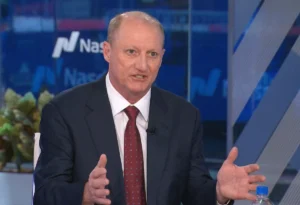

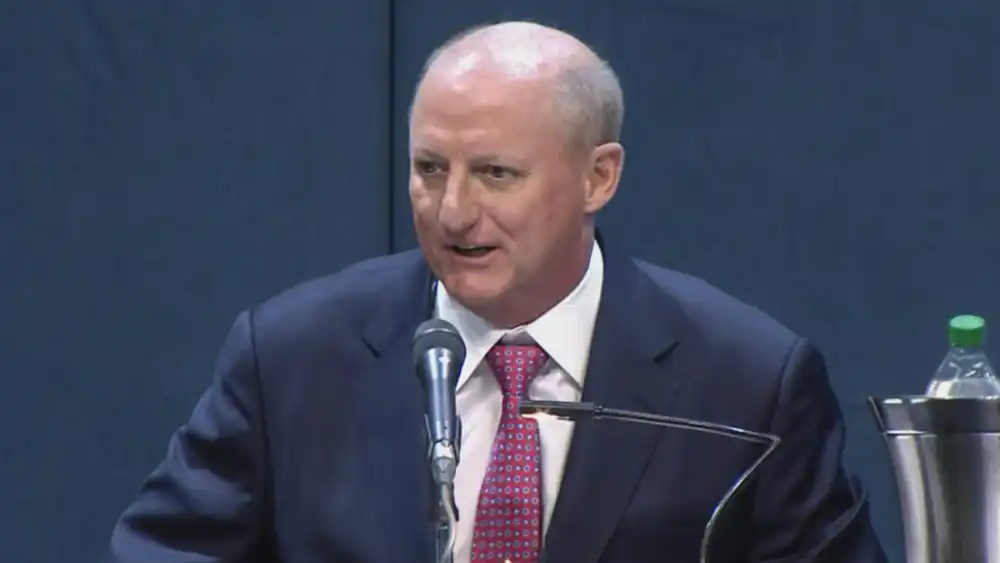
The transition of leadership at one of the world’s most scrutinized financial institutions reached a pivotal milestone this week as Berkshire Hathaway resumed its share repurchase program, coupled with a significant personal investment by its new Chief Executive Officer, Greg Abel. This dual-pronged signal of confidence comes at a critical juncture for the Omaha-based conglomerate, which is navigating the complexities of a post-Warren Buffett operational landscape while sitting on a record-breaking cash pile that has increasingly become a point of contention among institutional investors. By deploying corporate capital and personal wealth simultaneously, Abel is attempting to silence skeptics who have questioned whether the legendary "culture of ownership" established by Buffett can survive into a second generation of management.
The disclosure, made via regulatory filings, confirmed that Berkshire Hathaway began repurchasing its Class A and Class B shares on Wednesday. This marks the first time the company has engaged in buyback activity since the second quarter of 2024, ending a period of relative dormancy in capital returns that had seen the firm’s cash reserves swell to an unprecedented $373.3 billion. In the world of corporate finance, such a massive cash position is a double-edged sword; while it provides an unrivaled "war chest" for opportunistic acquisitions during market downturns, it also creates a significant "cash drag" on the company’s return on equity (ROE) when interest rates fluctuate or when attractive acquisition targets remain elusive.
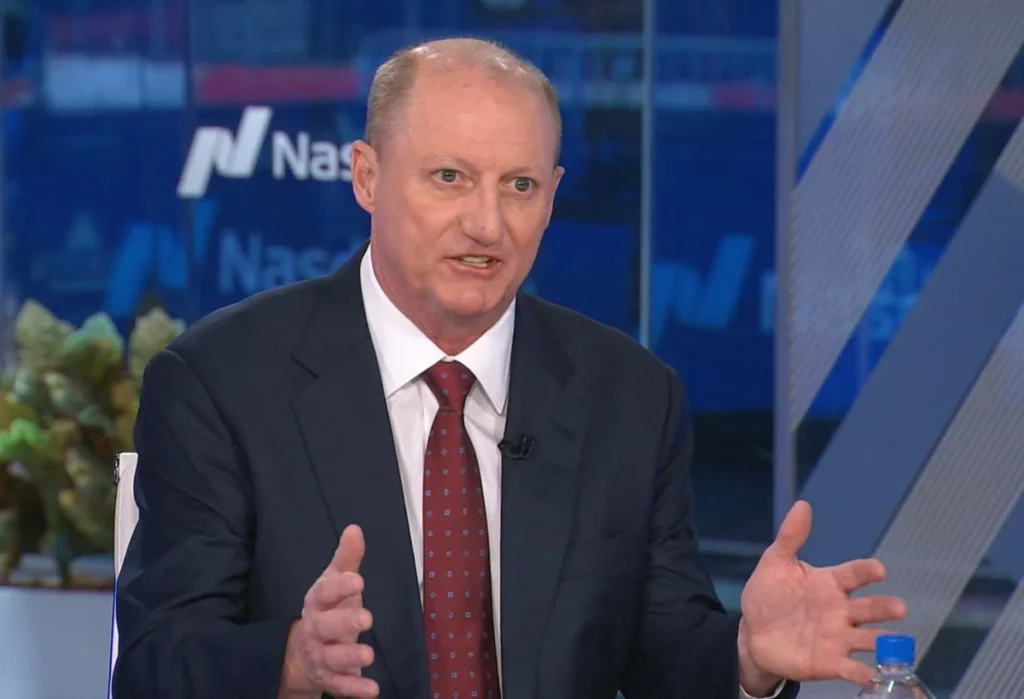
Greg Abel, who officially assumed the CEO mantle from the 95-year-old Warren Buffett in January, characterized the move as a calculated decision rooted in the company’s long-standing valuation philosophy. Under Berkshire’s established policy, repurchases are only authorized when the CEO—in consultation with the Chairman of the Board—determines that the prevailing market price sits comfortably below the company’s intrinsic value. Abel confirmed that he consulted directly with Buffett on the timing and valuation metrics of the current buyback round, emphasizing that while the leadership has transitioned, the rigorous mathematical framework used to evaluate Berkshire’s worth remains unchanged.
The resumption of buybacks is not merely a technical financial maneuver; it is a strategic response to recent market pressures. Berkshire shares have faced a turbulent start to the year, declining roughly 3% year-to-date and sitting 10% below the record highs achieved last May. This downward pressure was exacerbated by a recent earnings report revealing a nearly 30% contraction in fourth-quarter operating earnings. The decline was largely attributed to headwinds in the insurance sector—a cornerstone of the Berkshire empire—where inflationary pressures and shifting risk profiles have squeezed margins for units like GEICO and the firm’s massive reinsurance operations. By stepping into the market to buy its own shares, Berkshire is effectively setting a "floor" for the stock, signaling to the broader market that management views the current discount as an overreaction to short-term earnings volatility.

Parallel to the corporate buyback, Abel’s personal purchase of $15 million in Berkshire stock serves a deeper symbolic and fiduciary purpose. The purchase, which Abel noted represents his entire annual salary after taxes, is a direct answer to the "skin in the game" critique. For decades, Warren Buffett’s identity has been inextricably linked to Berkshire Hathaway, with roughly 99.5% of his personal net worth tied up in the company’s shares. This alignment of interests—where the manager suffers or prospers in exact proportion to the shareholders—has been the bedrock of investor trust in Omaha. Abel, who previously held a stake valued at approximately $164.4 million, is now formalizing a commitment to reinvest his entire take-home pay into the company every year.
This "alignment of interests" is particularly vital as Berkshire evolves from a founder-led visionary firm into a professionally managed global conglomerate. Abel’s commitment to continue this practice for the duration of his tenure—which he expressed a desire to see last for at least 20 years—suggests a long-term horizon that mirrors Buffett’s legendary "buy and hold" mantra. It also serves to differentiate Berkshire from many other S&P 500 firms, where executive compensation is often heavily weighted toward options and short-term performance bonuses that can occasionally encourage reckless risk-taking.
The broader economic implications of Berkshire’s capital allocation strategy are felt across the global marketplace. With a cash hoard exceeding $370 billion, Berkshire possesses more liquid capital than the sovereign wealth funds of many small nations. For years, analysts have speculated on the "elephant-sized acquisition" that Buffett often alluded to, yet the high-interest-rate environment and elevated private equity valuations have made such deals difficult to justify. In the absence of a massive takeover, share repurchases remain the most efficient way to return value to shareholders without triggering the tax consequences associated with dividends—a practice Buffett has famously avoided for over half a century.
Comparing Berkshire’s approach to other "Magnificent Seven" tech giants reveals a distinct conservative bias. While companies like Apple and Alphabet have authorized hundreds of billions in buybacks regardless of minor price fluctuations, Berkshire remains disciplined, only entering the market when the price-to-intrinsic-value ratio hits a specific threshold. This discipline is what Abel sought to reinforce in his first annual shareholder letter, where he vowed to maintain a culture of "financial conservatism and disciplined investing into perpetuity." To many investors, the Wednesday buyback was the first tangible proof that Abel intends to walk the talk, moving beyond rhetoric to active capital deployment.
The insurance segment’s recent weakness provides a necessary backdrop for understanding why now was the opportune moment for these disclosures. The 30% drop in operating earnings served as a reminder of the cyclical nature of the insurance business, which is currently grappling with rising litigation costs, "social inflation," and the increasing frequency of climate-related catastrophes. However, Berkshire’s diversified portfolio—which spans railroads (BNSF), utilities, and a massive array of manufacturing and retail businesses—usually provides a buffer against sector-specific downturns. By announcing buybacks and personal purchases simultaneously, Abel effectively shifted the narrative away from a mediocre earnings quarter and toward a story of long-term value and leadership stability.

Market reaction was tentatively positive, with Berkshire Class B shares gaining approximately 1% in early trading following the news. While the magnitude of the initial gain was modest, the psychological impact on the shareholder base should not be underestimated. For a company that prides itself on being a "partnership" rather than a mere corporation, the visibility of the CEO buying in alongside the company is a powerful retention tool for the firm’s loyal retail investor base.
As Greg Abel moves deeper into his first year at the helm, he faces the unenviable task of stepping out from the shadow of one of history’s greatest investors. The decision to disclose these repurchases and personal stakes is a departure from the company’s usual reticence, a move Abel admitted was intended to communicate stability during a "transition of leadership." It suggests a management team that is aware of its need to earn the market’s trust through transparency as much as through performance.
In the global context of corporate governance, Abel’s pledge to reinvest his salary stands as a rare example of executive commitment. At a time when the gap between executive pay and shareholder returns is often a point of public outcry, the Berkshire model offers a different path. Whether this strategy will be enough to sustain Berkshire’s premium valuation in the decades to come remains to be seen, but for now, the message from Omaha is clear: the "Oracle" may be stepping back, but the principles of intrinsic value, alignment, and disciplined capital allocation remain the North Star of the Berkshire Hathaway empire. The $15 million purchase by Abel is not just an investment; it is a down payment on a legacy that he hopes will endure long after the current market volatility has faded into history.