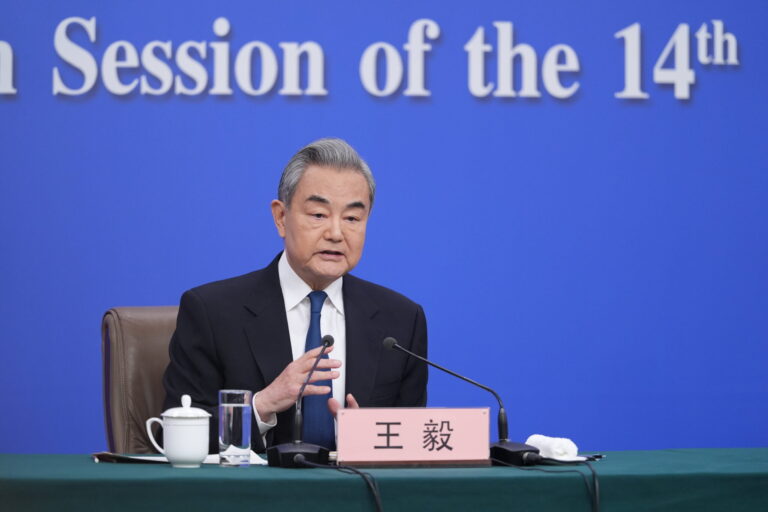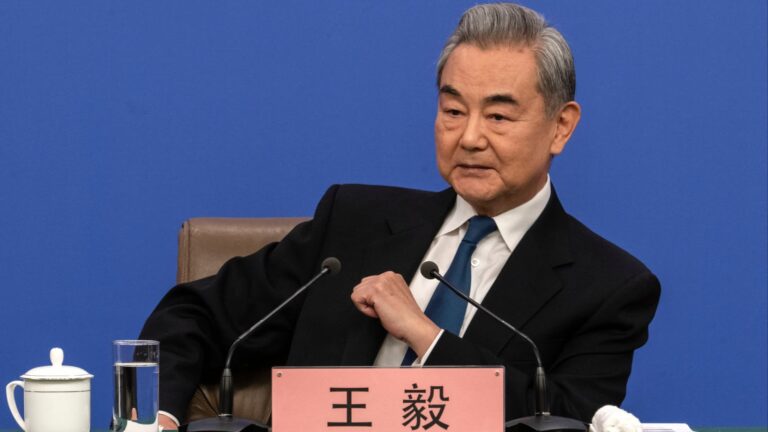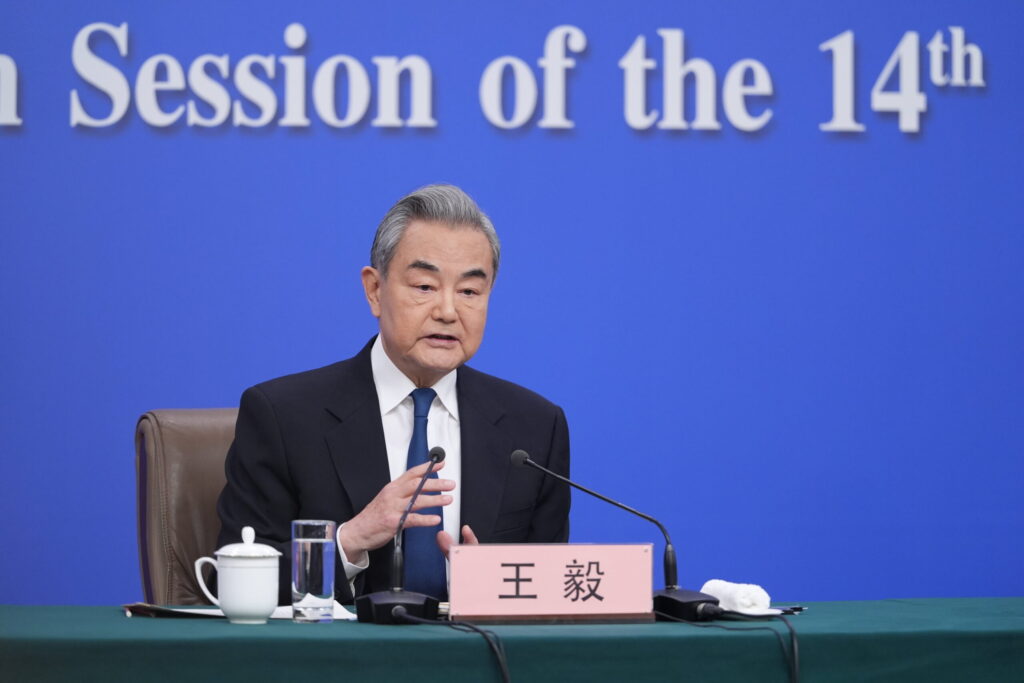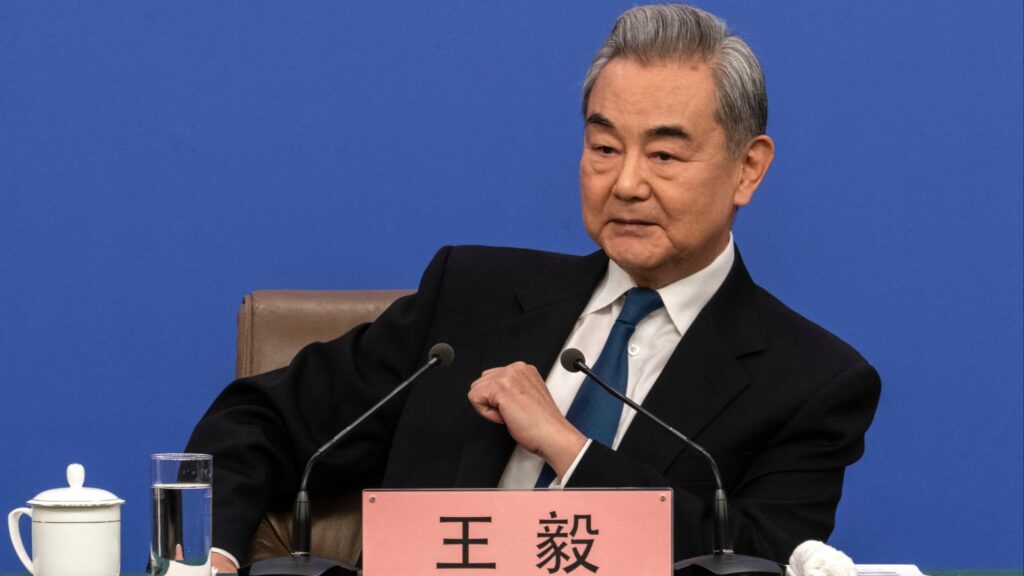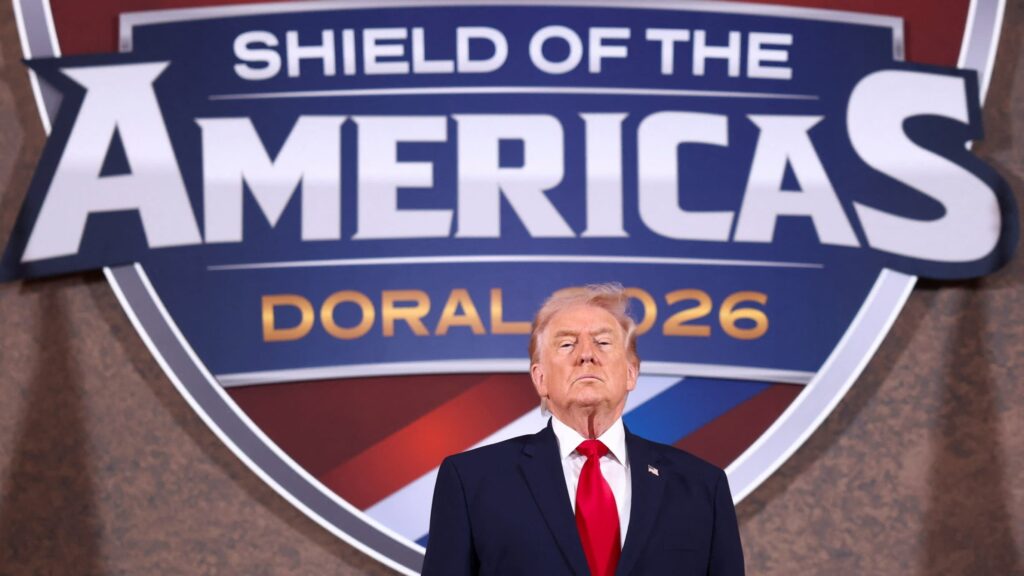

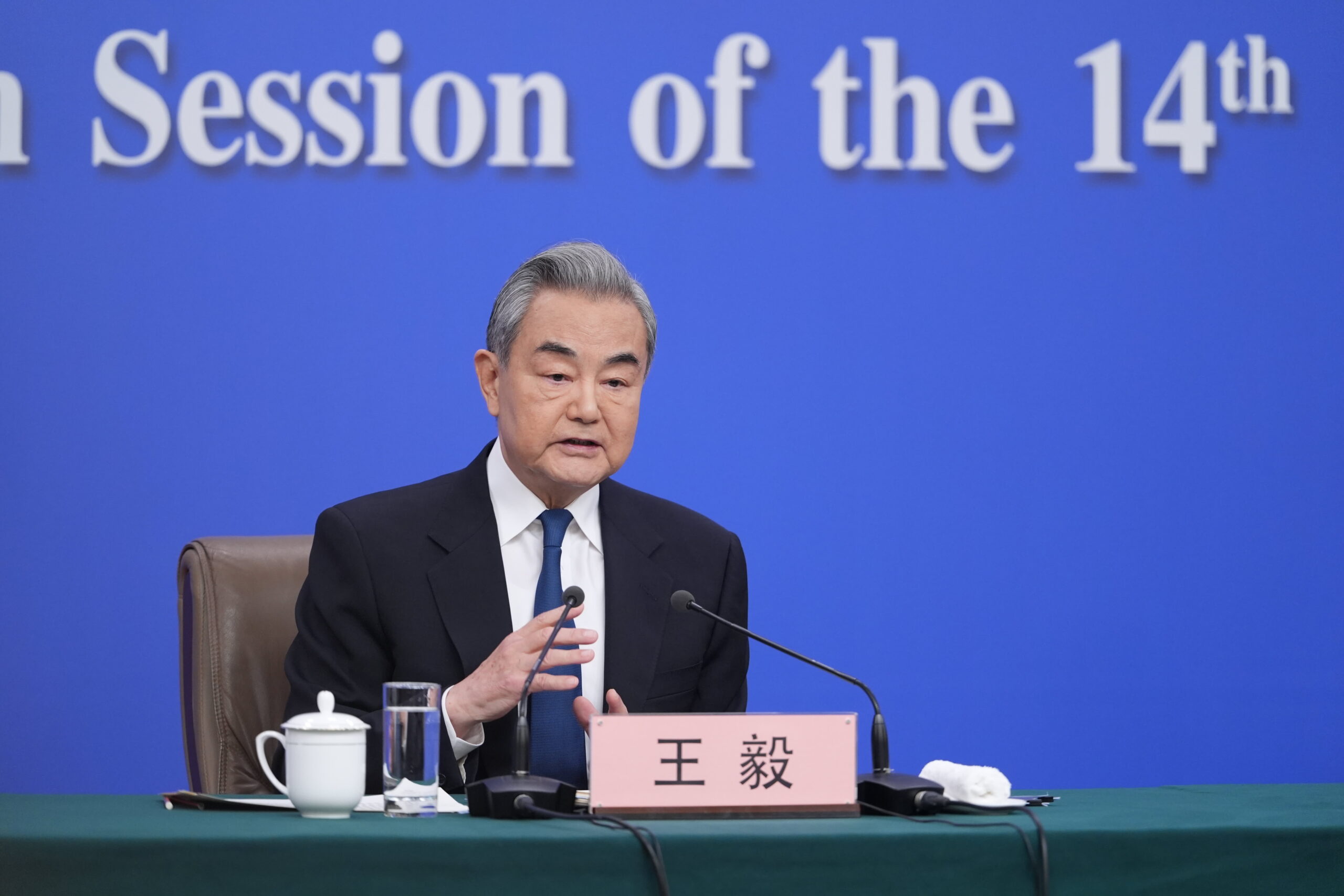
The diplomatic corridor between Beijing and Washington, long characterized by a precarious balance of cooperation and confrontation, currently faces one of its most rigorous tests as officials attempt to finalize a high-stakes summit between President Xi Jinping and President Donald Trump. Speaking on the sidelines of the 14th National People’s Congress in Beijing, Chinese Foreign Minister Wang Yi emphasized that while "high-level exchanges" remain on the immediate agenda, the success of such an encounter hinges on "thorough preparations" and the removal of "unnecessary disruptions." This diplomatic caution comes at a moment of profound global instability, with the specter of a widening conflict in Iran and a brittle trade truce casting long shadows over the proposed March 31 visit by the U.S. President to the Chinese capital.
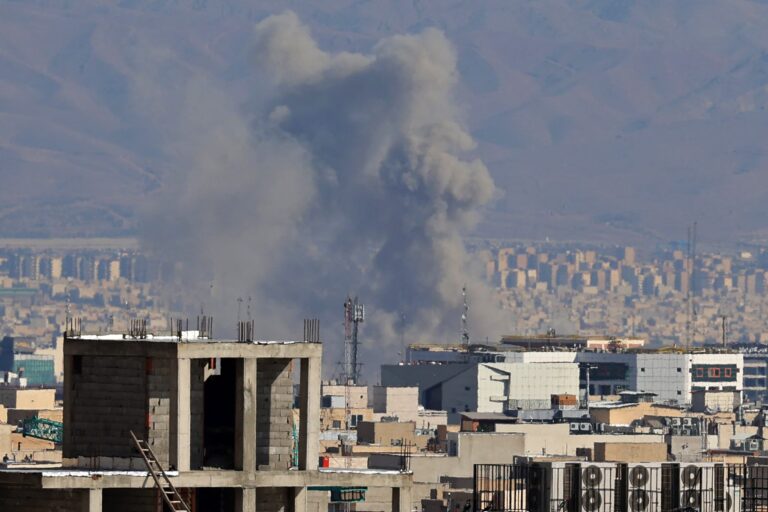
The geopolitical landscape has been fundamentally altered by recent military escalations in the Middle East. The joint U.S.-Israeli strikes on Iranian infrastructure, which reportedly resulted in the death of Supreme Leader Ayatollah Ali Khamenei, have sent shockwaves through global energy markets and diplomatic circles. For Beijing, which has cultivated deep economic and strategic ties with Tehran—notably through the 25-year cooperation agreement signed in 2021—the escalation represents a direct threat to its energy security and its vision of regional stability. China remains the largest purchaser of Iranian crude, and any sustained disruption in the Persian Gulf or a full-scale regional war would have immediate and severe repercussions for the Chinese economy, which is already grappling with a complex post-pandemic recovery and structural domestic challenges.
Minister Wang’s rhetoric reflected this concern, as he pointedly noted that the conflict in Iran is a "war that should not have happened" and one that "does no one any good." Beijing’s diplomatic machinery has been operating at a fever pitch, with Wang conducting high-level consultations with counterparts in Russia, Israel, and Iran since the strikes began on February 28. These maneuvers suggest that China is positioning itself as a stabilizing force, or at the very least, a necessary mediator in a multipolar world. The delay in Beijing’s formal confirmation of the specific dates for President Trump’s visit—originally slated for late March—indicates that the Chinese leadership is weighing the optics of hosting a U.S. leader during a period of intense American military activity.

Beyond the immediate crisis in the Middle East, the economic dimension of the relationship remains fraught with systemic tension. The "fragile truce" reached last October, which saw both nations agree to cap tariffs at 50%, was intended to provide a cooling-off period after a period of escalating trade hostilities where duties had surged past the 100% mark. However, a 50% tariff remains historically unprecedented for two of the world’s largest trading partners and continues to distort global supply chains. For multinational corporations, this "truce" offers little long-term certainty, driving the continued "China Plus One" strategy as firms seek to diversify manufacturing hubs into Southeast Asia, India, and Mexico to mitigate geopolitical risk.
Wang Yi’s rejection of the "G2" concept—a term frequently used by President Trump to describe a world led by the U.S. and China—is a significant ideological marker. From Beijing’s perspective, the G2 framework implies a degree of responsibility and bilateral alignment that it is not yet ready to accept, or perhaps more accurately, it views the term as a trap that could alienate its partners in the Global South. Instead, Wang reiterated China’s commitment to "multipolarity," a world order where power is distributed among several blocs rather than concentrated in a Washington-Beijing duopoly. This stance is a direct rebuttal to the U.S. policy of "decoupling" or "de-risking," which Wang likened to "using kindling to put out a fire," warning that those who pursue such economic barriers would inevitably "get burned."
The economic stakes of a failed or postponed summit are immense. Global markets have been pricing in the potential for a "grand bargain" on trade, but the volatility in the Middle East has introduced a significant risk premium. The Brent crude benchmark has seen increased fluctuations as traders assess the likelihood of a closure of the Strait of Hormuz, a chokepoint through which approximately 20% of the world’s oil consumption passes. For China, an oil price spike above $100 per barrel would act as a massive tax on its industrial sector, potentially shaving percentage points off its GDP growth targets for the year. Consequently, Beijing’s insistence on a "suitable environment" for the summit likely includes a demand for U.S. restraint in the Middle East and a more predictable trajectory for trade policy.
Furthermore, the recent U.S. capture of Venezuelan leader Nicolas Maduro has added another layer of complexity to the bilateral friction. China, a major creditor to Caracas and a supporter of the Maduro administration, views such actions as a violation of national sovereignty and a further example of what it terms "American hegemonism." By grouping the Iran conflict and the Venezuelan situation together, Beijing is signaling that its willingness to engage with Washington is not unconditional. The "thorough preparations" mentioned by Wang Yi likely involve back-channel negotiations to ensure that the summit produces tangible outcomes rather than becoming a platform for American unilateralism.

From a domestic perspective, the timing of these international crises is particularly sensitive for President Xi. The National People’s Congress is the centerpiece of China’s political calendar, a time when the leadership outlines its economic targets and reinforces its mandate for "high-quality development." Any perception of weakness on the international stage or an inability to manage the relationship with the U.S. could complicate the internal narrative of China’s "inevitable rise." The emphasis on "managing risks" and "removing unnecessary disruptions" is as much a message to a domestic audience as it is to the White House.
The technicalities of the summit also present a logistical and diplomatic challenge. A presidential visit of this magnitude involves thousands of personnel and months of coordination. The fact that Beijing has yet to confirm the March 31 to April 2 window suggests that the "strategic safeguard" provided by leader-to-leader interaction is currently under repair. In previous administrations, such summits were preceded by "sherpa" meetings—lower-level technical discussions that ironed out the details of joint statements. Reports from Beijing suggest these preliminary tracks have been hampered by the rapid pace of events in the Middle East, leaving the two leaders with a daunting list of unresolved issues.
In the tech sector, the rhetoric of "decoupling" continues to manifest in tangible policy. The U.S. has maintained stringent export controls on high-end semiconductors and AI technology, citing national security concerns. China has responded with its own export restrictions on critical minerals like gallium and germanium, which are essential for electronics manufacturing. Analysts suggest that unless the upcoming summit addresses these technological barriers, the "G2" relationship will continue to slide toward a "technological Cold War," regardless of any temporary truces on agricultural or consumer goods tariffs.
As the deadline for the proposed visit approaches, the international community remains in a state of watchful waiting. The cost of "turning our backs on each other," as Wang Yi cautioned, is a world dragged down by "mutual misperception and miscalculation." For the global economy, the stakes are nothing less than the stability of the international trading system and the avoidance of a global recession triggered by geopolitical shocks. The "thorough preparations" currently underway in Beijing and Washington will determine whether the upcoming summit is a historic turning point toward de-escalation or a final, failed attempt to bridge an widening chasm. In the high-stakes game of 21st-century diplomacy, the "suitable environment" required for peace seems more elusive than ever, yet more necessary than at any point in recent history.