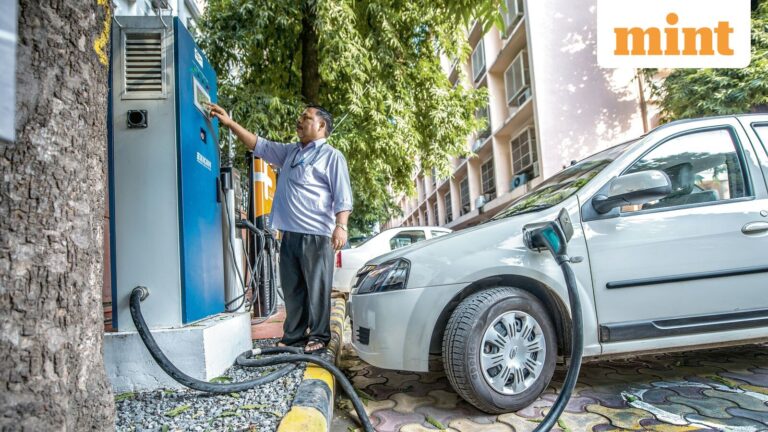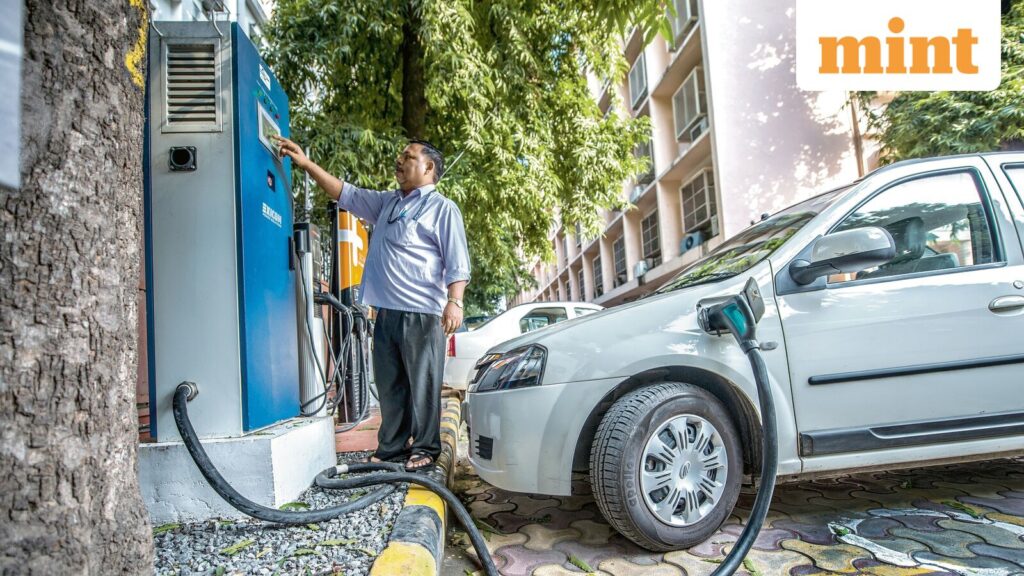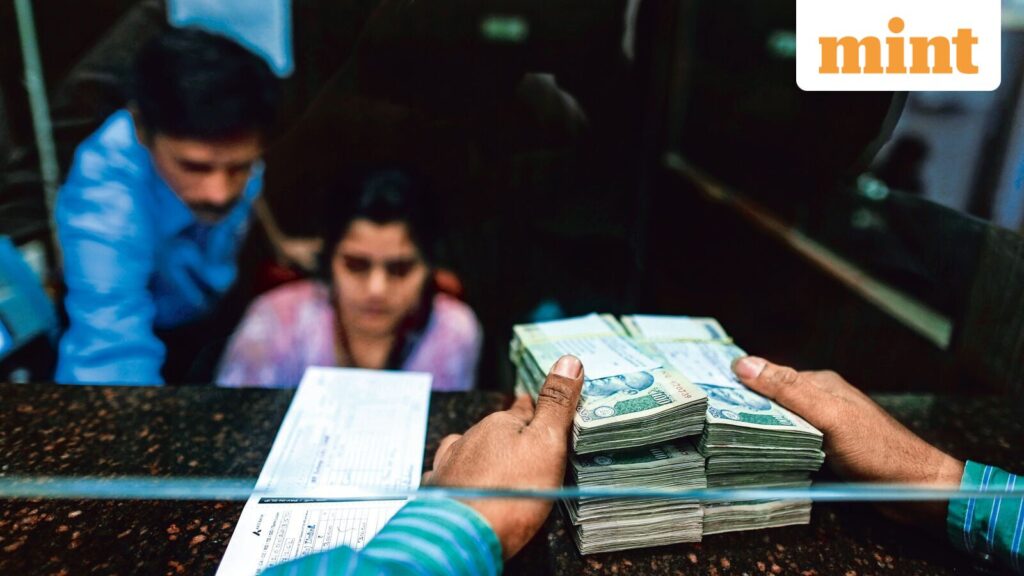



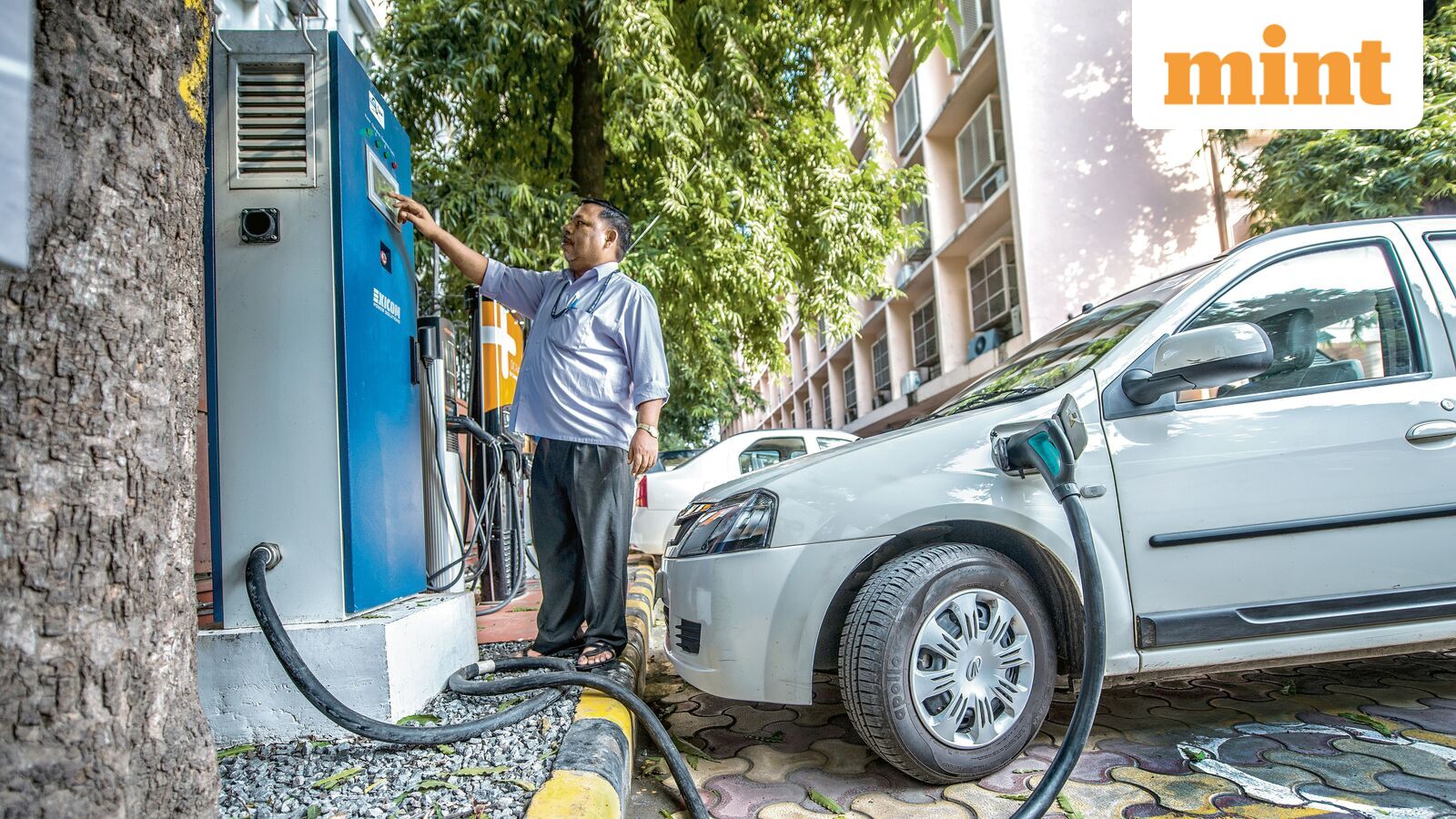
India is embarking on a pivotal phase in its electric vehicle (EV) transition, with the Ministry of Heavy Industries initiating a comprehensive assessment of proposals from state governments and state-run oil marketing companies (OMCs) to significantly expand the nation’s EV charging infrastructure. This concerted effort falls under the ambitious ₹10,900 crore PM E-Drive scheme, a cornerstone of the country’s strategy to achieve its net-zero carbon emission targets by 2070. The immediate focus is on disbursing approximately ₹80 crore towards charging point subsidies by the close of the current fiscal year, FY26, signaling a renewed governmental thrust to electrify the mobility landscape.
The PM E-Drive initiative earmarks a substantial ₹2,000 crore specifically for supporting the installation of over 72,000 EV chargers nationwide. This allocation is designed to mitigate the high upfront capital expenditure often associated with charging station deployment. The subsidy mechanism is structured to cover a significant portion of these costs, ranging from 70% to 100% of the upstream expenses, which include critical elements like establishing adequate grid power connectivity to the site, particularly for installations within state-owned premises in urban centers and along national highways. Additionally, 70% of the cost of the actual charging equipment itself will be subsidized, making the investment more attractive for public and private entities. This financial incentive comes on the heels of a strategic recalibration in 2025, wherein the government roughly halved the benchmark costs for setting up public EV charging stations. For instance, the estimated cost for a 12-kW charger was adjusted to ₹1.6 lakh, a 60-kW charger to ₹3.4 lakh, and high-capacity units like a 360-kW charger to ₹12.5 lakh, reflecting evolving market dynamics and technological efficiencies.
Officials involved in the scheme’s implementation indicate that while initial proposals from various states and Public Sector Undertakings (PSUs) have begun to surface, the government is actively engaged in a "handholding" process. This collaborative approach aims to refine and solidify these proposals, ensuring they are robust and strategically sound before final approval. The emphasis is on identifying optimal locations, a crucial factor given the varying grid connectivity and demand profiles across different regions, which directly impact the long-term viability and utilization rates of EV chargers. Major OMCs such as Hindustan Petroleum Corporation Ltd (HPCL) and Bharat Petroleum Corporation Ltd (BPCL) have also submitted proposals, leveraging their extensive fuel retail networks as potential sites for new charging stations. The guidelines for claiming these subsidies were meticulously finalized in September of the previous year, laying the groundwork for the current phase of project assessment and implementation.
The broader financial outlay for the PM E-Drive scheme for FY26, as per revised estimates in Union budget documents, stands at ₹1,300 crore. This comprehensive budget encompasses not only subsidies for EV chargers but also financial support for electric two-wheelers and three-wheelers, underscoring a holistic approach to fostering electric mobility across different vehicle segments. The push for a robust charging infrastructure is paramount, as it directly addresses "range anxiety" – a significant psychological barrier to EV adoption among consumers. By providing widespread and reliable charging options, the government aims to instill confidence in potential EV buyers, thereby accelerating India’s journey towards its ambitious environmental targets.

Insights from Niti Aayog, the government’s premier think tank, have consistently highlighted the critical need for a strategic build-out of charging facilities. Its "India Electric Mobility Index 2024" notably recognized states like Haryana and Karnataka for their proactive stance in charging infrastructure preparedness. However, a separate report in August 2025 from Niti Aayog cautioned that existing public charging facilities remained inadequate and often suffered from low utilization rates. This observation underscores the importance of the current "handholding" approach, emphasizing the need for strategic scaling only after thorough viability testing at specific locations. The past experiences with previous subsidy schemes, such as the two iterations of the Faster Adoption and Manufacturing of Electric (and Hybrid) Vehicles (FAME) scheme, offer valuable lessons. These schemes, operational for a decade from 2015 to 2024, also incentivized OMCs like Indian Oil Corporation Ltd (IOCL), BPCL, and HPCL to set up EV chargers at their retail outlets.
Despite the significant financial commitments under FAME, the actual operationalization of charging stations faced considerable challenges. Under FAME I, approximately 520 charging stations were sanctioned with an outlay of ₹43 crore. The subsequent FAME II scheme was even more ambitious, targeting 10,985 chargers with a budget of ₹912.5 crore, with OMCs slated to install 10,585 of these. However, official data presented to the Lok Sabha in February 2025 revealed a stark disparity: as of January 31, 2025, OMCs had installed only 4,523 chargers under FAME II, and critically, a mere 251 – or 5.5% – were actually operational. This low operational rate highlights systemic issues ranging from inadequate demand assessment and grid integration challenges to business model viability concerns for the OMCs. Abhijeet Sinha, program director for National Highways for Electric Vehicles in India, an initiative focused on upgrading highways to e-highways, emphasized this point, stating that without fundamental changes in operational strategies, future outcomes for OMCs in this sector are likely to mirror past attempts.
Experts unanimously agree that a ubiquitous and efficient EV charging network is indispensable for India to achieve its aspirational target of EVs comprising 30% of all vehicle sales by 2030. Currently, India lags significantly behind the global average; in 2024, EVs constituted just 7.6% of total vehicle sales in the country, compared to a global average of 16.5%. This gap signifies a steep climb, requiring an acceleration of over 22 percentage points in just five years, demanding urgent and coordinated action from all stakeholders. Saket Mehra, partner and auto & EV industry leader at Grant Thornton Bharat, underscored the critical role of public chargers, noting that approximately 55% of commuters in India lack access to home charging facilities. As of February 2026, India had 30,971 public EV chargers, a figure that Mehra contends needs to rise dramatically. To meet the 2030 EV adoption targets, India will need to install at least 3.9 million public charging stations, representing an unprecedented scale-up from current levels and emphasizing the profound urgency of infrastructure expansion.
The journey towards electrifying India’s transportation sector is not merely an environmental imperative but also an economic opportunity. A robust EV ecosystem, underpinned by extensive charging infrastructure, can stimulate domestic manufacturing, create new job opportunities in installation, maintenance, and technology development, and reduce the nation’s reliance on fossil fuel imports, thereby strengthening energy security. The PM E-Drive scheme, with its substantial financial backing and strategic focus, represents a critical pivot. By addressing past challenges, particularly the low utilization rates and operational hurdles faced by previous schemes, and by actively engaging state governments and OMCs in the planning process, the government aims to forge a more viable and sustainable path forward. The success of this initiative will hinge on effective inter-ministerial coordination, agile policy adjustments, and a steadfast commitment to overcoming the logistical and commercial complexities inherent in transforming a nation’s mobility paradigm. The ₹80 crore slated for disbursement in FY26 is not just a figure; it represents the initial spark in India’s ambitious drive to power its electric future.