

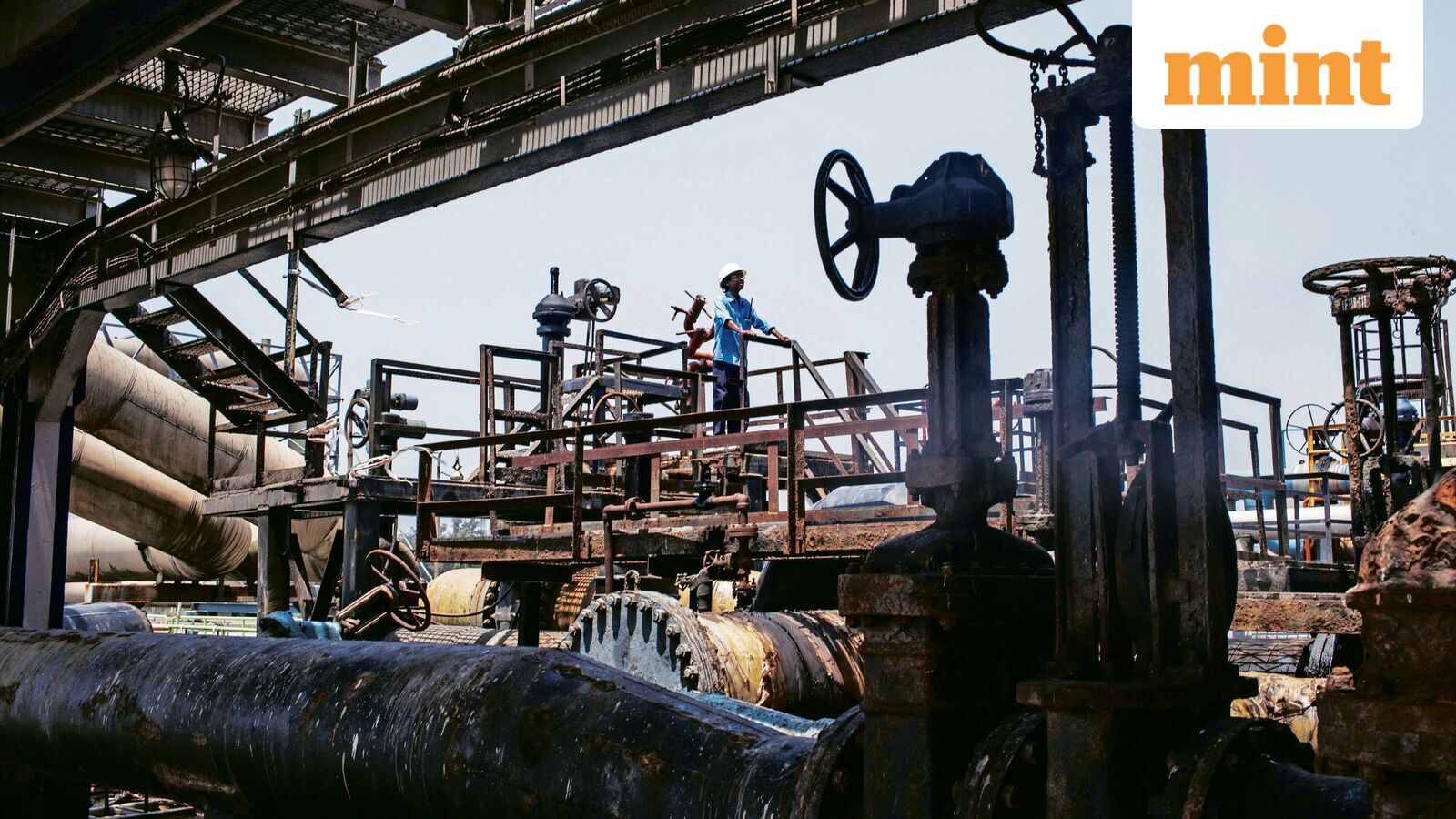
The geopolitical tremors emanating from West Asia are compelling India, a burgeoning energy consumer, to critically re-evaluate its strategic reserves and accelerate measures to insulate its vital natural gas supply chain from external shocks. In a significant move signalling heightened awareness of energy security vulnerabilities, the Petroleum and Natural Gas Regulatory Board (PNGRB) is poised to recommend the establishment of dedicated overground storage facilities for liquefied natural gas (LNG). This proactive stance by India’s energy regulator comes at a time when global gas markets are experiencing acute volatility, driven by escalating conflicts in key producing and transit regions, posing a direct threat to the nation’s economic stability and growth trajectory.
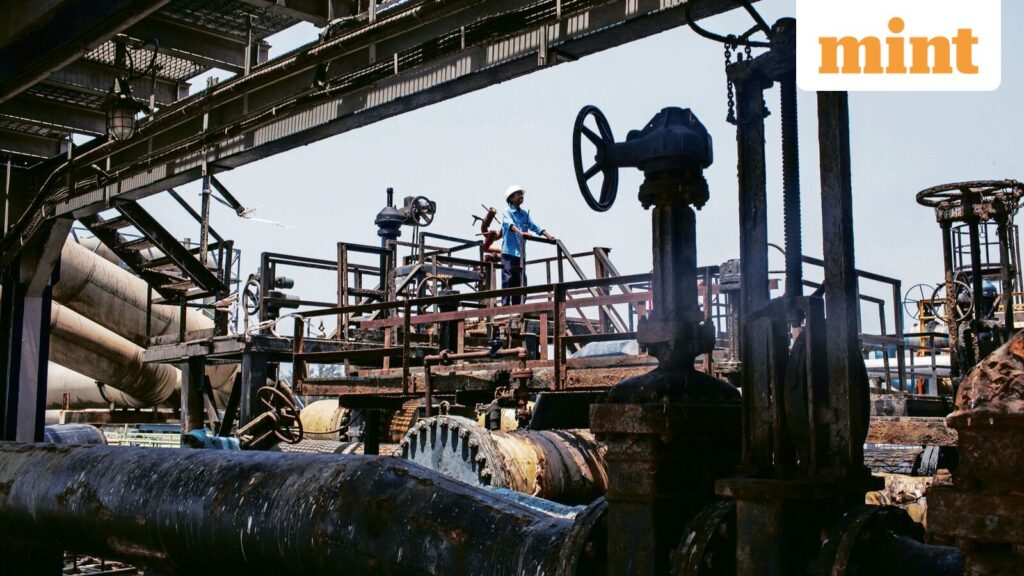
Currently, India’s energy landscape presents a precarious balance. The nation imports approximately 55% of its total natural gas requirements, a dependency that translates to a mere 20-21 days of inventory, including supplies in transit. This figure stands in stark contrast to the strategic petroleum reserves held by major economies, often spanning several months of consumption. The PNGRB’s proposal, therefore, aims to bolster this critical buffer, with storage units strategically located near existing LNG regasification terminals, of which India currently operates eight with a combined capacity of 52.7 million metric tonnes per annum (MMTPA), equivalent to approximately 190 million metric standard cubic metres per day (mmscmd). These proposed reserves would serve a dual purpose: providing commercial flexibility for market players and acting as a crucial strategic stockpile during periods of exigency.
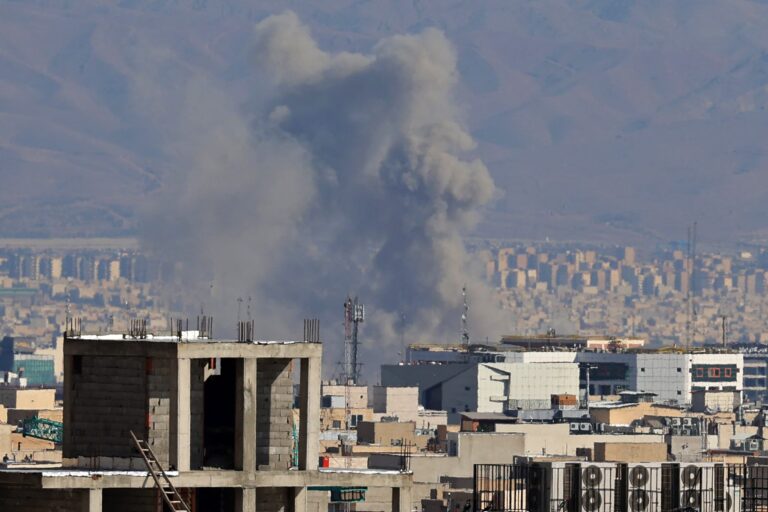
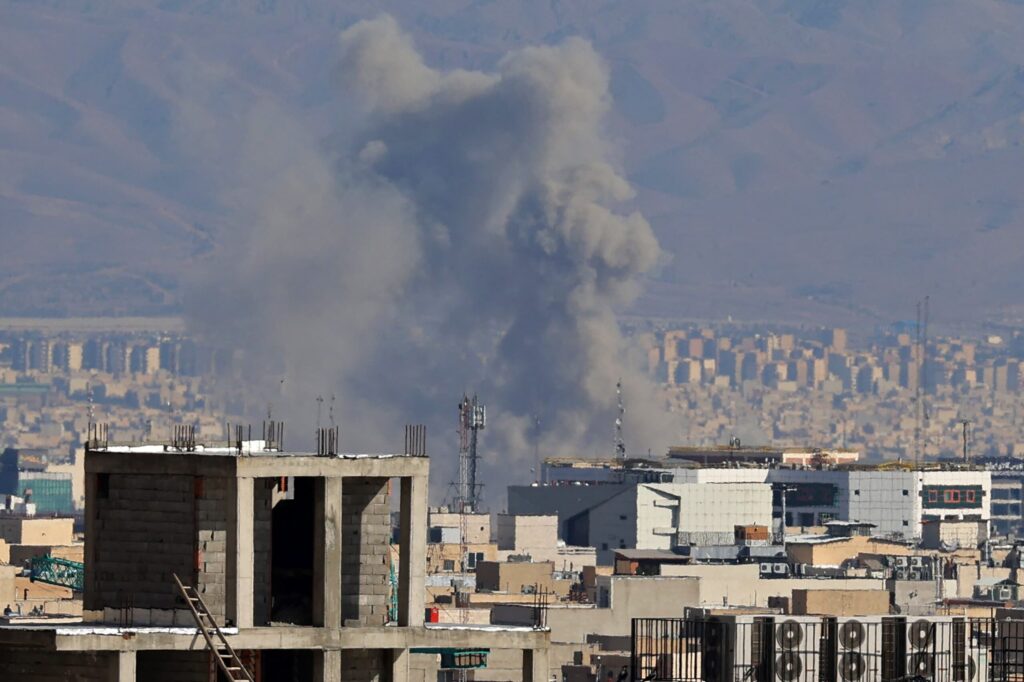
The urgency underpinning this regulatory initiative has been dramatically underscored by recent events in West Asia. The Strait of Hormuz, a narrow maritime chokepoint through which over 20% of the world’s LNG shipments and 54% of India’s LNG imports traverse, has experienced severe disruptions. Reports of naval blockades and threats to commercial shipping have led to a substantial halt in tanker traffic, creating an immediate supply squeeze. Simultaneously, a targeted attack on QatarEnergy’s Ras Laffan complex, a facility responsible for a fifth of global LNG supply and a primary source for India, sent shockwaves across international energy markets. These incidents have not only driven up spot LNG prices, with benchmarks like Henry Hub futures surging over 10% in a week and European prices experiencing jumps exceeding 40%, but have also highlighted the extreme fragility of long-distance energy supply chains.
India’s reliance on imported gas is substantial, with Qatar alone accounting for nearly 50% of the nation’s natural gas imports, which totalled $14.9 billion in the fiscal year 2025 according to the Petroleum Planning and Analysis Cell (PPAC). The disruption in supply from such a dominant source, compounded by transit risks through the Strait of Hormuz, poses an immediate threat to India’s energy ecosystem. Natural gas is integral to several critical sectors, accounting for approximately 7% of India’s primary energy basket. This share is projected to grow to 15% by 2030, a key government target aimed at transitioning towards a cleaner energy mix. Key consumers include the power generation sector, where gas-fired plants provide crucial peak load balancing, the fertiliser industry, which depends on gas as a primary feedstock for agricultural production, and the rapidly expanding city gas distribution (CGD) networks catering to vehicular CNG and piped natural gas (PNG) for households and industries.

The domestic consumption data illustrates the expanding demand. In 2024, India consumed 187 mmscmd of natural gas. Of this, the fertiliser sector accounted for 58 mmscmd, CGD companies consumed 36.9 mmscmd, and oil refiners used 22 mmscmd. While domestic gas largely caters to CNG demand, other sectors are heavily reliant on imports. Projections from the PNGRB indicate that overall natural gas consumption could reach 297-365 mmscmd by 2030 and soar to 495-630 mmscmd by 2040, with industrial and commercial demand alone expected to grow by 10-15% by the end of the decade. This aggressive growth trajectory, coupled with existing vulnerabilities, makes robust storage infrastructure an indispensable requirement.
The PNGRB’s preference for overground storage facilities, as opposed to more complex and time-consuming underground salt cavern-based strategic reserves, is driven by practical considerations. Overground tanks offer a significantly shorter construction period and lower capital expenditure, making them a more agile solution to address immediate and medium-term security concerns. To fund the substantial capital outlay required for these projects, the regulator is reportedly considering a surcharge on natural gas usage. This mechanism would enable self-financing of the reserves, circumventing the need for government viability gap funding and ensuring the sustainability of the initiative. Such a funding model, while potentially increasing end-user costs marginally, would effectively socialize the cost of enhanced energy security across all gas consumers, reflecting the collective benefit derived from a stable supply.
Energy experts and market analysts have largely welcomed the PNGRB’s initiative, deeming it a much-needed strategic intervention. Rajesh Kumar Mehdiratta, managing director and CEO of the Indian Gas Exchange (IGX), highlighted the exponential growth in CNG-based vehicles, PNG connections, and industrial gas demand as compelling reasons for establishing national gas reserves. "It is high time India sets up gas storage reserves for natural gas in the country," Mehdiratta affirmed, underscoring the broad consensus on this critical need. The absence of adequate strategic reserves leaves India susceptible to both price volatility and physical supply disruptions, potentially leading to cascading economic impacts, from higher electricity tariffs and increased fertiliser costs impacting food inflation, to slowdowns in industrial production.
The global LNG market has already witnessed the profound impact of the West Asian instability. The Independent Commodity Intelligence Services (ICIS), a London-based commodity analysis firm, reported that LNG tanker crossings through the Strait of Hormuz ceased since late February, disrupting an estimated 120 billion cubic metres (bcm) per year of supply from Qatar and the UAE. This volume is comparable to the gas supply Europe lost from Russia since 2021, illustrating the immense scale of the disruption. For India, a prolonged stoppage would be particularly acute, forcing buyers into a highly competitive global spot market. Benjamin Gage, founder of Balance Point Research, noted that if transit through the Strait resumed quickly, prices might retrace; however, a persistence of the stoppage could see prices rapidly escalate towards $20/mmbtu, a level that would severely strain India’s import bill and domestic industries.
Beyond immediate crises, the establishment of strategic gas reserves aligns with India’s long-term vision for a diversified and resilient energy future. While India has been actively expanding its LNG regasification capacity, with several new land-based terminals and floating storage regasification units (FSRUs) in various stages of development, storage infrastructure has lagged. This imbalance creates a bottleneck, where ample import capacity can still be rendered ineffective without sufficient buffer stock. Investing in storage facilities not only provides a safety net against geopolitical and supply chain risks but also offers greater flexibility in procurement, allowing India to capitalize on favourable market conditions for purchases and mitigate the impact of price spikes. This forward-looking approach is crucial for a nation aspiring to be a global economic powerhouse, as energy security forms the bedrock of sustained industrial growth and societal well-being. The PNGRB’s proposal marks a pivotal step towards building this essential resilience, transforming India’s energy strategy from reactive to proactive in a volatile world.