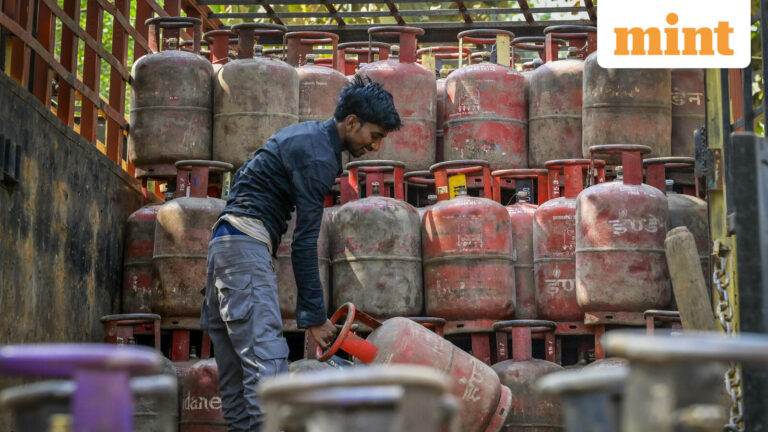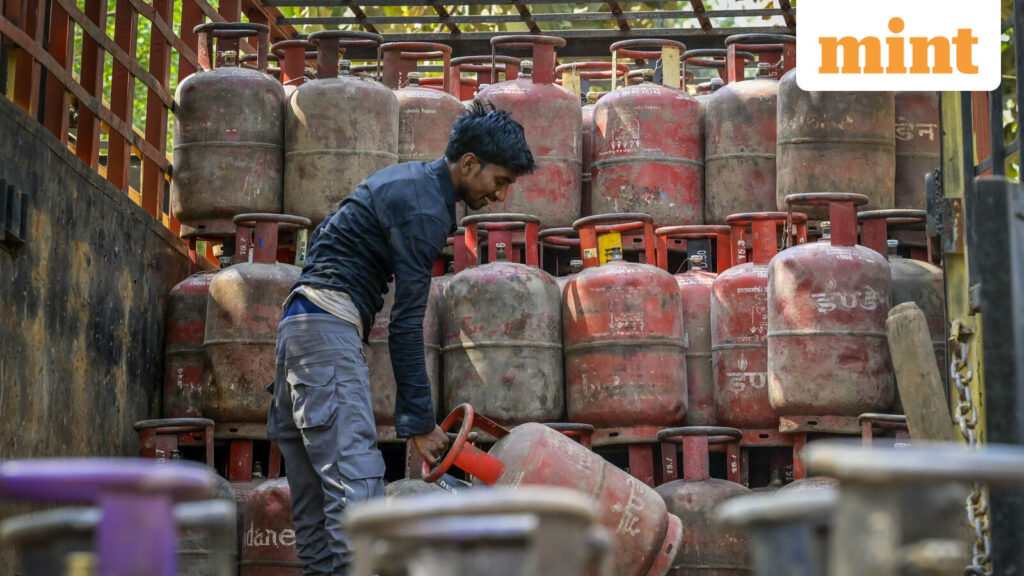

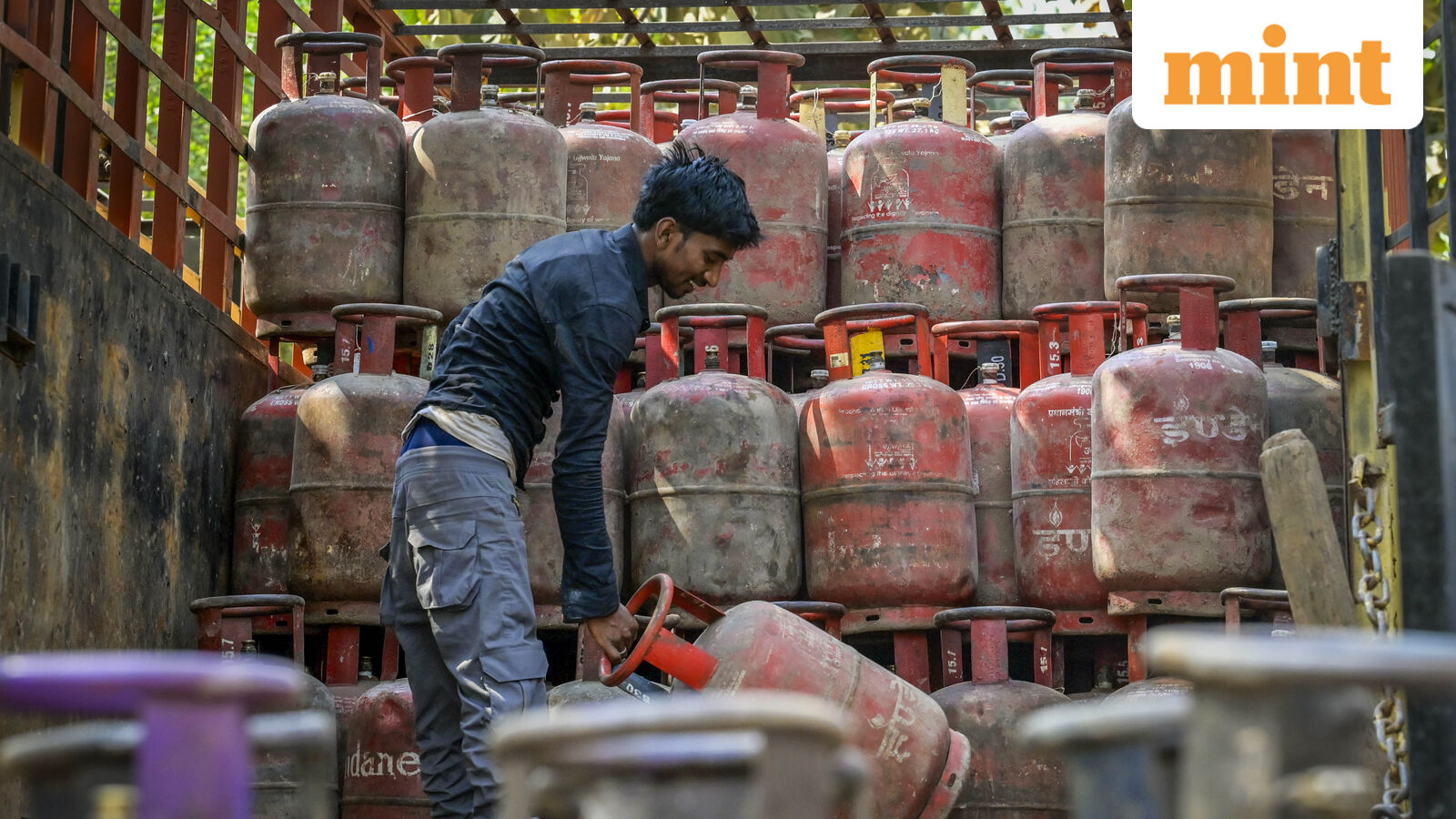
Amidst mounting concerns over the availability of cooking gas across the nation, the central government has initiated a critical measure, announcing that 20% of the average monthly commercial Liquefied Petroleum Gas (LPG) requirement will be allocated by oil marketing companies (OMCs) starting immediately. This coordinated effort with state governments aims to preempt hoarding and black marketing, ensuring equitable distribution during a period of unprecedented global energy market volatility. The directive, articulated by Union Petroleum and Natural Gas Minister Hardeep Singh Puri in the Lok Sabha, underscores India’s proactive stance in mitigating the domestic fallout from escalating geopolitical tensions in West Asia.
The immediate trigger for these domestic interventions is the severe disruption to global energy supply chains stemming from the ongoing US-Israeli conflict with Iran, particularly impacting transit through the Strait of Hormuz. For the first time in recorded history, this vital maritime chokepoint, through which an estimated 20% of the world’s crude oil, 20% of its natural gas, and 20% of its LPG typically flows, has been effectively closed to commercial shipping for over two weeks. This closure represents a seismic shock to global energy markets, forcing nations like India, which are heavily reliant on imports, to rapidly re-strategize their energy procurement and distribution mechanisms. India, despite having no direct role in the genesis of the conflict, finds itself navigating its profound consequences, much like numerous other economies globally.
The regulatory framework for commercial LPG, as clarified by Minister Puri, is not intended to penalize the vibrant hospitality sector but rather to prevent illicit market practices. Unlike its subsidized domestic counterpart, commercial LPG is sold in a completely deregulated, over-the-counter market at prevailing market prices, devoid of government subsidy, formal registration, booking requirements, or digital authentication. This lack of a robust tracking mechanism makes it particularly vulnerable to diversion and price gouging during supply shortages, hence the necessity for a controlled allocation system. The hospitality sector, a significant consumer of commercial LPG, will undoubtedly feel the pinch, facing potential operational adjustments and increased costs, which could ripple through consumer prices for food and services.
India’s energy security architecture is intricately linked to global supply dynamics. The nation produces approximately 90 million metric standard cubic metres per day (MMSCMD) of natural gas domestically. However, an additional 30 MMSCMD, crucial for meeting demand, was previously imported via Gulf sources now compromised by a force majeure declaration from a major Qatari processing facility. This substantial import gap necessitates urgent, alternative arrangements. In response, the oil ministry, on March 9, 2026, invoked the Natural Gas Control Order under the Essential Commodities Act. This critical order establishes a clear priority sequence for gas allocation: domestic piped natural gas (PNG) to homes and compressed natural gas (CNG) for vehicles will receive 100% supply, ensuring essential household needs and urban mobility remain uninterrupted. Industrial and manufacturing consumers are allocated up to 80% of their previous six-month average consumption, while vital fertilizer plants, critical for food security, will receive up to 70%. These cuts, while necessary, will inevitably impact industrial output and agricultural costs, potentially contributing to inflationary pressures across the economy.

Diversification of supply routes and sources has emerged as a cornerstone of India’s resilience strategy. Minister Puri assured the legislative body that large Liquefied Natural Gas (LNG) cargoes are now arriving almost daily through alternative supply routes. This rapid rerouting and procurement from new sources demonstrate India’s agility in the face of crisis, enabling it to sustain its gas supply position even if the conflict were to prolong. Such alternative routes often involve longer transit times and higher freight costs, potentially impacting landed prices, but they are crucial for maintaining continuity. For crude oil, India’s position is reportedly secure, with volumes already secured exceeding what the Strait of Hormuz would have delivered. Before the onset of the Middle East crisis, roughly 45% of India’s crude imports traversed the Hormuz route. However, India’s proactive strategy of diversifying its crude oil sources, now spanning 40 countries compared to just 27 in 2006-07, has significantly reduced its vulnerability to single-point disruptions. This strategic foresight has allowed refineries to continue operating at high capacity utilization, ensuring the uninterrupted availability of petrol, diesel, kerosene, aviation turbine fuel (ATF), and fuel oil across the country. Retail outlets remain stocked, and supply chains for these refined products are functioning normally, preventing a widespread fuel crisis.
The economic implications of such energy shocks are profound and multifaceted. For the Indian economy, a sustained period of high global energy prices, exacerbated by supply chain disruptions, poses a significant inflationary risk. Businesses, particularly those in energy-intensive sectors, face increased operational costs, which are often passed on to consumers. Small and medium enterprises (SMEs) are particularly vulnerable, lacking the robust hedging mechanisms or diversified supply chains of larger corporations. The hospitality sector, already navigating post-pandemic recovery, will now contend with higher commercial LPG costs, potentially leading to menu price adjustments, reduced profit margins, or even temporary closures for smaller establishments. Furthermore, cuts to industrial gas supply could hinder manufacturing output, impacting economic growth rates and employment. The reduced allocation to fertilizer plants could elevate agricultural input costs, ultimately affecting food prices and contributing to broader inflation, a critical concern for a populous nation like India.
Beyond immediate measures, India’s long-term energy security strategy is under renewed focus. The crisis underscores the imperative to accelerate the transition towards renewable energy sources, which offer greater domestic control and insulation from geopolitical risks. Investments in solar, wind, and hydro power, coupled with advancements in energy storage, are becoming even more critical. Expanding India’s strategic petroleum reserves (SPR) capacity also provides a vital buffer against short-term supply shocks, offering a crucial lifeline during periods of extreme volatility. Furthermore, strengthening bilateral energy agreements with a wider array of global suppliers and investing in robust energy infrastructure, including new LNG regasification terminals and extensive pipeline networks, are essential for building a resilient energy future.
Energy analysts note that while India’s immediate response has been swift and comprehensive, the prolonged nature of global conflicts and the evolving landscape of energy geopolitics demand continuous vigilance. "The current crisis is a stark reminder that energy security is not merely about securing supply, but about building resilience into the entire energy ecosystem," remarked an economic observer. "India’s diversification efforts over the past decade are paying dividends now, but the challenge remains to balance affordability with security, especially when global prices are soaring due to unforeseen disruptions." The government’s ability to secure alternative LNG cargoes and diversify crude sources highlights a maturing energy diplomacy. However, the underlying vulnerability to chokepoint disruptions remains a significant strategic concern, necessitating ongoing investment in domestic production and a faster pivot towards sustainable, indigenous energy solutions.
In conclusion, India finds itself at a critical juncture, deftly managing the immediate challenges posed by a global energy crisis while simultaneously reinforcing its long-term energy security framework. The allocation of commercial LPG, the prioritization of gas supplies, and the successful diversification of crude and LNG sources are testament to a coordinated and agile governmental response. However, the broader economic ramifications, particularly inflationary pressures and the impact on specific industrial sectors, require careful monitoring and sustained policy intervention. As the global energy landscape remains volatile and unpredictable, India’s journey towards energy independence and resilience will continue to be a defining factor in its economic trajectory and geopolitical standing.