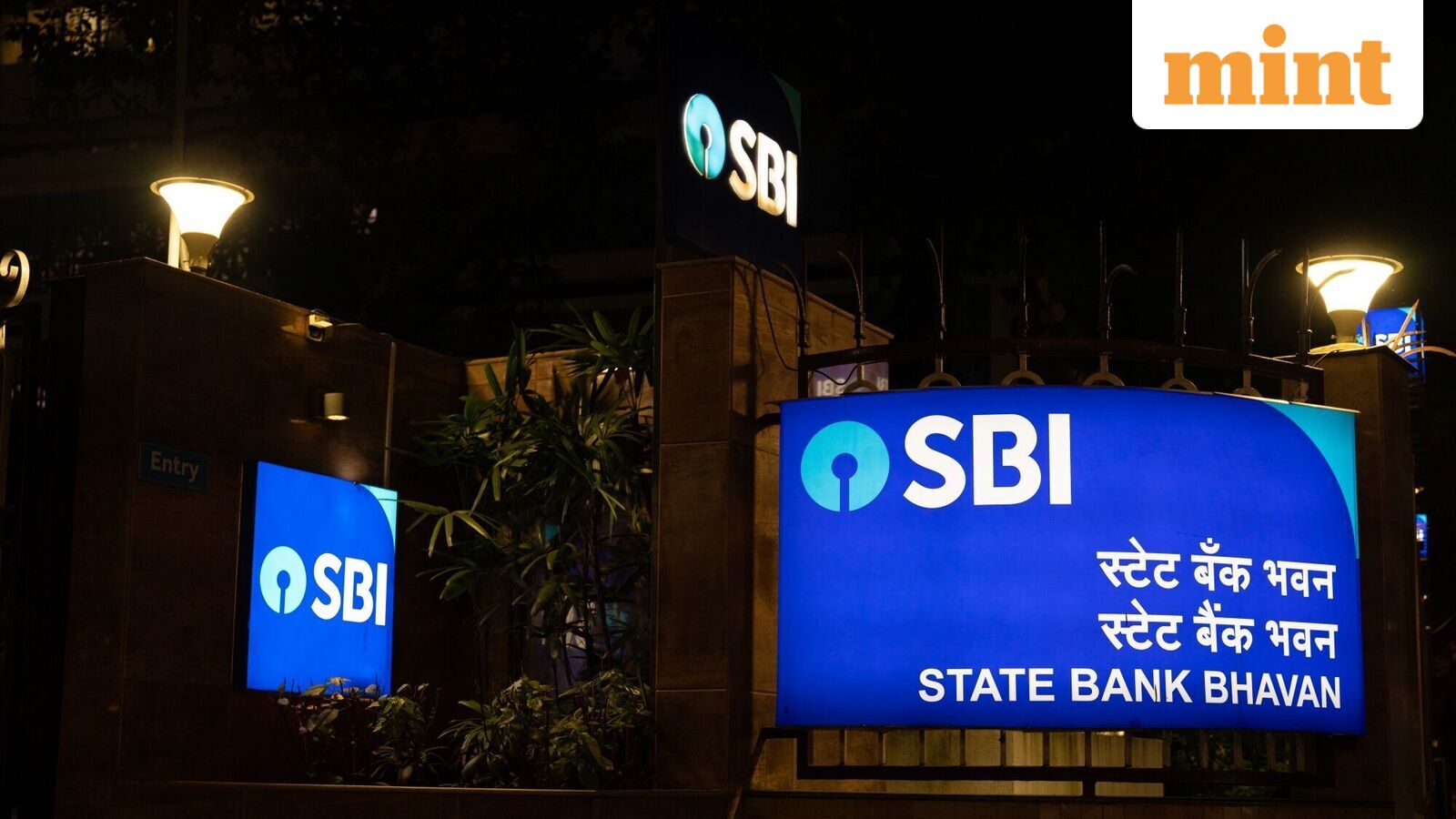
As India prepares for a series of bank closures in the upcoming week, spanning March 16 to March 22, 2026, the nation’s financial landscape braces for a unique blend of cultural observance and operational adjustments. With public and private sector banks across various regions slated to remain shut for five days within this period, including the regular weekend breaks and significant festivals like Gudhi Padwa and Eid-Ul-Fitr, the spotlight turns to the resilience of India’s digital banking infrastructure and the broader economic ramifications. The Reserve Bank of India (RBI) calendar for March 2026 indicates a total of 18 holidays across the month, underscoring the complex interplay of national, religious, and regional observances that shape the operational rhythm of one of the world’s fastest-growing major economies.
The staggered nature of these closures, influenced by local customs and state-specific declarations, highlights India’s diverse cultural fabric. Gudhi Padwa, celebrated predominantly in Maharashtra, Goa, and parts of Madhya Pradesh, marks the traditional New Year for Marathi and Konkani Hindus. This festival is a period of new beginnings, marked by processions, home decorations, and festive meals, often leading to increased local spending and consumer activity in these regions. Simultaneously, the observance of Eid-Ul-Fitr, marking the culmination of the holy month of Ramzan, holds pan-Indian and global significance. Eid is a time of communal prayer, charity, and feasting, driving substantial consumer expenditure on clothing, food, and gifts, especially in states with larger Muslim populations. The economic ripple effect of such festivals is considerable, with consumer spending often surging in the weeks leading up to and during these events, contributing to retail sales, hospitality, and specific sectors like textiles and food processing. However, the coinciding bank closures introduce a layer of complexity for businesses and individuals reliant on physical banking services.
Historically, extended bank holidays posed significant logistical challenges for businesses, particularly Small and Medium-sized Enterprises (SMEs) and those operating in the unorganized sector. Cheque clearing processes, cash management, loan disbursements, and international trade transactions could experience delays, impacting liquidity and supply chain efficiency. While large corporations often have robust treasury management systems and direct access to electronic payment gateways, smaller entities frequently depend on physical branch interactions for daily operations, including depositing cash, processing vendor payments, and managing payroll. A multi-day closure, even with intervening working days, can disrupt cash flow cycles and strain operational capabilities, especially for businesses with tight working capital. Economist Dr. Anjali Sharma, a financial markets expert, notes, "While the broader economy has largely adapted to digital transactions, a segment of the SME sector and the rural economy still relies heavily on cash and traditional banking channels. These holidays, while culturally vital, serve as a reminder of the existing financial inclusion gaps and the need for continued efforts to digitize all layers of the economy."
However, the modern Indian banking landscape is significantly more robust than a decade ago, largely due to the rapid advancement and widespread adoption of digital payment systems. The advent of the Unified Payments Interface (UPI) has been a game-changer, facilitating instant, real-time peer-to-peer and person-to-merchant transactions 24 hours a day, seven days a week, regardless of bank holidays. According to recent data, UPI transactions have consistently broken records, with monthly volumes exceeding 12 billion transactions and values surpassing ₹18 trillion (approximately $215 billion) in early 2026. This pervasive digital network ensures that most retail financial activities—from bill payments and online shopping to money transfers—remain unaffected by branch closures.

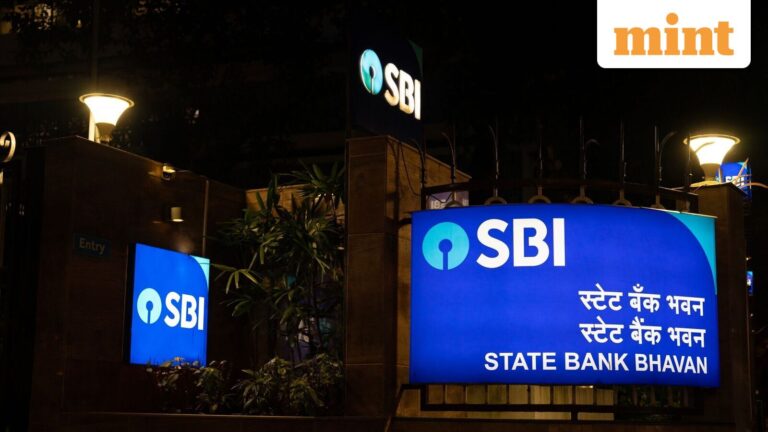
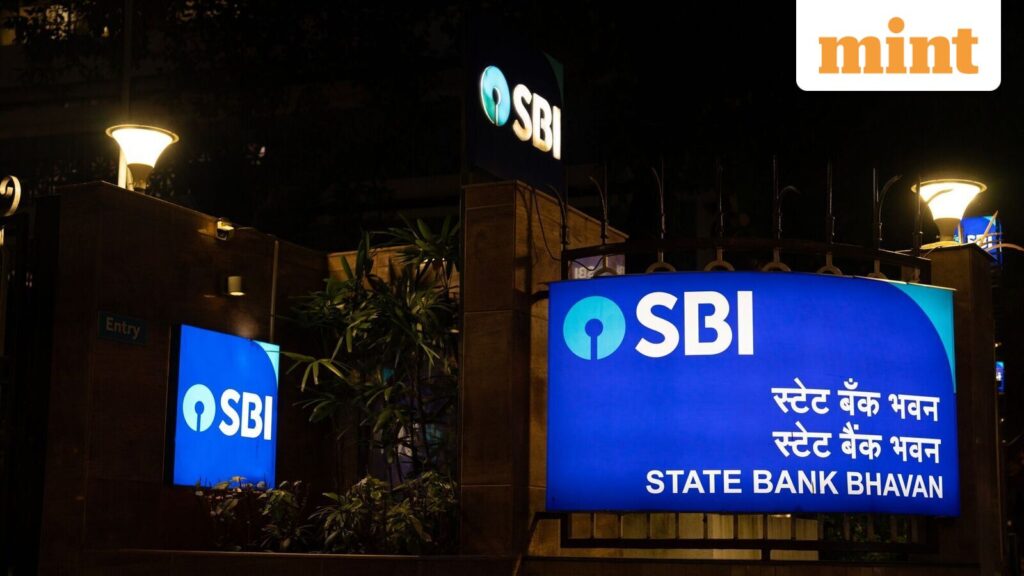
Beyond UPI, other digital channels further cushion the impact. National Electronic Funds Transfer (NEFT) and Real-Time Gross Settlement (RTGS) services, which handle larger value interbank transfers, operate round the clock. Internet banking portals, mobile banking applications, ATMs, and various card services (credit, debit, and ATM cards) provide uninterrupted access to a wide array of financial services. Customers can manage accounts, set up standing instructions, apply for financial products, and initiate fund transfers from the convenience of their homes or offices. This digital infrastructure not only minimizes inconvenience for individual customers but also provides essential continuity for businesses, allowing them to manage critical payments and receivables. The State Bank of India (SBI), along with other public and private sector lenders, proactively communicates these digital alternatives, emphasizing that while branches may close, banking services remain perpetually accessible.
Despite the significant strides in digital transformation, certain limitations persist. Services requiring physical presence, such as accessing bank lockers, submitting original documents for complex loan applications, or receiving personalized financial advisory that goes beyond automated chatbots, are inherently constrained by branch closures. For individuals in remote or rural areas with limited internet connectivity, digital literacy challenges, or a preference for cash-based transactions, bank holidays can still present genuine hurdles. Furthermore, while most routine transactions are automated, large-value corporate treasury operations or complex international trade finance deals might still necessitate human intervention or specific processing windows, although many banks now offer dedicated digital platforms for these as well. The underlying cybersecurity infrastructure also faces heightened scrutiny during periods of increased digital activity, requiring banks to maintain vigilance against potential threats, even during holidays.
Globally, the approach to bank holidays varies considerably. Developed economies often have fewer public holidays, with a strong emphasis on continuous digital financial operations. Countries like the United States observe federal holidays, but the core banking system (like ACH and Fedwire) has increasingly moved towards extended or 24/7 processing for critical payments. European nations, while respecting national holidays, have also invested heavily in real-time payment systems like SEPA Instant Credit Transfer to ensure minimal disruption. India’s model, with its numerous regionally specific holidays, stands out, reflecting its deep cultural diversity. The RBI plays a crucial role in coordinating these holidays, drawing authority primarily from the Negotiable Instruments Act, 1881, which allows for the declaration of public holidays where financial institutions must remain closed. This framework balances the observance of cultural traditions with the imperatives of a modern financial system. The decision to close banks on the second and fourth Saturdays, for instance, was part of a broader wage settlement agreement for bank employees, reflecting social welfare considerations alongside operational efficiency.
Looking ahead, the trend towards greater digitization and automation in India’s banking sector is set to accelerate further. The experience of managing operations during these multi-day closures reinforces the critical importance of a robust, secure, and universally accessible digital financial ecosystem. As India progresses towards a truly cashless and digitally inclusive economy, the distinction between a "working day" and a "holiday" for most financial transactions will continue to blur. While physical bank branches will always retain a role for specialized services and human interaction, their primary function is evolving. The upcoming holiday week in March 2026 serves not as a disruption, but as a testament to the nation’s remarkable progress in integrating its rich cultural heritage with the demands of a dynamic, 21st-century financial infrastructure.