

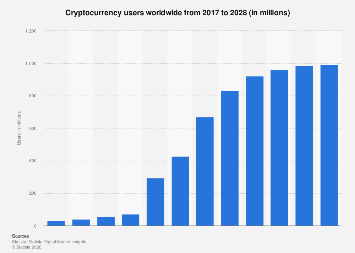
The global landscape of cryptocurrency adoption has witnessed a remarkable trajectory of expansion, with the number of users surpassing [Insert Specific Number Here] million by the close of 2023, a significant leap from its nascent stages in 2017. This robust growth, characterized by both periods of intense volatility and sustained upward momentum, is not showing signs of abating. Projections indicate that the user base is poised for a further substantial increase, with an anticipated [Insert Specific Percentage Here] percent expansion over the next five years, reaching an estimated [Insert Projected Number Here] million by 2028. This burgeoning digital asset ecosystem is reshaping financial paradigms and attracting a diverse array of participants, from retail investors to institutional players.
The ascent of cryptocurrencies, and Bitcoin in particular, has been nothing short of explosive. On March 1, 2024, the pioneering digital currency shattered its previous all-time high, which was established on November 9, 2021, when its closing price hovered above [Insert Specific Bitcoin Price Here] U.S. dollars. This latest surge saw Bitcoin breach the [Insert New All-Time High Price Here] U.S. dollar mark, underscoring its remarkable recovery and continued appeal. The momentum did not wane, as the digital asset achieved yet another milestone on October 1, 2024, with one Bitcoin commanding approximately [Insert October 1st Price Here] U.S. dollars, demonstrating the intense demand and speculative interest driving its valuation.
This consistent profitability, despite inherent market fluctuations, has been a primary catalyst for attracting a growing cohort of private investors. These individuals, often undeterred by the asset class’s characteristic volatility, are drawn to the potential for significant returns. The burgeoning interest has fostered the development of a sophisticated ecosystem of service providers, designed to facilitate entry and management of digital assets. Prominent platforms such as Coinbase and Blockchain.com have emerged as leading entities, offering user-friendly interfaces and robust infrastructure for trading and holding cryptocurrencies. These companies play a crucial role in bridging the gap between traditional finance and the decentralized world of digital assets, simplifying access for a broader audience.
Beyond the digital realm of exchanges and wallets, the physical accessibility of cryptocurrencies has also seen considerable advancements. The proliferation of cryptocurrency ATMs worldwide has significantly lowered the barrier to entry for many individuals. With over [Insert Number of ATMs Here] cryptocurrency ATMs now operational across the globe, converting fiat currency into digital assets has become a more tangible and convenient process. This physical infrastructure complements the online services, creating a more integrated and accessible experience for users, particularly those who may be less technologically inclined or prefer a more traditional method of transaction.
The growth narrative extends beyond mere user numbers and price appreciation. The underlying technology and the expanding use cases of cryptocurrencies are also contributing to their mainstream integration. Decentralized finance (DeFi) platforms, for instance, are offering alternative financial services, such as lending, borrowing, and decentralized exchanges, without the need for traditional intermediaries. These innovations are not only attracting capital but also fostering a new generation of financial applications that challenge established norms. Furthermore, the development of non-fungible tokens (NFTs) has opened up new avenues for digital ownership and creative expression, further broadening the appeal and utility of blockchain technology.
Economically, the rise of cryptocurrencies presents a complex and multifaceted impact. On one hand, it represents a significant reallocation of capital, with substantial investment flowing into digital asset markets. This influx of funds can stimulate innovation and entrepreneurship within the blockchain sector, creating new jobs and driving technological advancements. The decentralized nature of many crypto projects also offers potential benefits in terms of financial inclusion, providing access to financial services for individuals in underserved regions. However, the volatility and speculative nature of the market also pose risks, including potential for significant investor losses and challenges for regulators seeking to establish appropriate frameworks.
Globally, the regulatory response to cryptocurrencies varies widely. Some nations have embraced digital assets, seeking to foster innovation and attract investment, while others have imposed stringent restrictions or outright bans, citing concerns over financial stability, illicit activities, and investor protection. This patchwork of regulations creates a dynamic and often unpredictable environment for businesses and investors operating in the crypto space. As the market matures, there is an increasing push for international cooperation and harmonization of regulatory approaches to mitigate risks and ensure a more stable and sustainable growth trajectory for the digital asset industry.
The increasing institutional adoption of cryptocurrencies further signals a shift in perception and acceptance. Major financial institutions are exploring or actively engaging with digital assets through various avenues, including investment funds, custody services, and even the development of their own digital currencies. This institutional validation lends credibility to the asset class and is expected to drive further mainstream adoption, potentially leading to greater liquidity and reduced volatility over the long term. The integration of cryptocurrencies into traditional financial infrastructure, though still in its early stages, is a testament to their growing significance in the global economic landscape.
Looking ahead, the projected continued growth in cryptocurrency users underscores the enduring appeal and evolving utility of these digital assets. Factors such as increased regulatory clarity, technological advancements in scalability and security, and the development of more robust use cases are likely to underpin this expansion. The journey of cryptocurrencies from a niche technological experiment to a significant global financial phenomenon is far from over, and the coming years are expected to witness further transformation and integration of digital assets into the fabric of the global economy. The potential for disruption and innovation remains immense, promising a future where digital currencies and blockchain technology play an increasingly integral role in how we transact, invest, and interact with the financial world.