


The biotechnology sector, a dynamic engine of innovation poised to address some of humanity’s most pressing challenges, is increasingly defined by the scale and strategic allocation of its research and development (R&D) expenditures. Analyzing these investments on a country-by-country basis reveals distinct national strengths, competitive landscapes, and the foundational elements driving global advancements in medicine, agriculture, and industrial processes. While precise, universally standardized data remains an ongoing challenge, available statistics highlight a clear hierarchy of investment, with certain nations consistently demonstrating a profound commitment to fostering this science-driven industry.
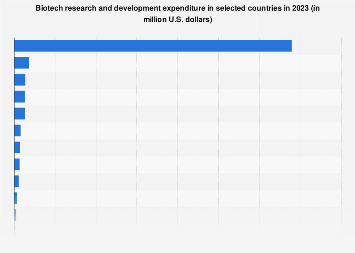
The United States stands as an undisputed titan in biotechnology R&D spending, reflecting decades of sustained public and private investment in its robust scientific ecosystem. This leadership is underpinned by a confluence of factors, including a strong venture capital culture, leading academic institutions, and a supportive regulatory framework that, while rigorous, aims to facilitate innovation. For companies performing or funding R&D in the U.S. business sector, particularly those exceeding a $50,000 threshold, the sheer volume of investment is staggering. This encompasses a broad spectrum of biotechnological applications, from novel drug discovery and gene therapies to agricultural solutions for enhanced crop yields and sustainable industrial enzymes. The Census Bureau’s rigorous data review processes ensure the integrity of these figures, providing a clear, albeit carefully anonymized, picture of the nation’s R&D intensity.
Following closely behind, or in some analyses even rivaling the U.S. in specific segments, is Europe, with Germany and Austria emerging as significant contributors. However, a crucial distinction in data collection for these countries is noted: their reported expenditures often focus exclusively on dedicated biotechnology firms. This narrower scope may mean that R&D activities embedded within larger pharmaceutical conglomerates or other industrial sectors are not fully captured. Nevertheless, the commitment of these European nations to specialized biotech R&D is substantial. Germany, with its strong tradition in chemical and pharmaceutical sciences, has cultivated a fertile ground for biotech innovation, particularly in areas like personalized medicine and industrial biotechnology. Austria, while a smaller economy, has strategically invested in building its biotech capacity, often focusing on niche areas and fostering collaboration between academia and industry.
The landscape of biotechnology R&D is not solely dominated by established economic giants. Emerging economies and nations with focused industrial policies are also making significant strides. Canada, for instance, demonstrates a comprehensive approach to biotechnology R&D, encompassing medical, environmental, industrial, and agricultural applications. This broad-based strategy reflects an ambition to leverage biotech across multiple sectors of its economy, from developing advanced therapeutics to pioneering sustainable solutions for resource management and food production. Similarly, Latvia, though a smaller player on the global stage, also reports expenditures across these diverse biotechnological fields, indicating a deliberate national effort to cultivate its domestic biotech capabilities. While the absolute figures from these nations may be lower than those of the U.S. or leading European economies, their relative investment and strategic focus are critical indicators of their growing influence and potential within the global biotech arena.
The economic impact of such sustained R&D investment is multifaceted and profound. Countries that lead in biotech R&D often become hubs for high-value job creation, attracting skilled scientists, researchers, and entrepreneurs. This influx of talent, in turn, stimulates local economies through increased consumer spending and demand for supporting services. Furthermore, breakthroughs in biotechnology translate directly into new products and services that can command significant market share, both domestically and internationally. The development of life-saving drugs, innovative diagnostic tools, and more efficient agricultural technologies not only improves public health and food security but also generates substantial export revenues.
Looking at the global market for biotechnology, it is estimated to be a multi-trillion-dollar industry, with R&D spending serving as a critical leading indicator of future growth and market dominance. The competitive advantage gained through pioneering research can translate into decades of market leadership and significant returns on investment. Companies that invest heavily in R&D are more likely to develop proprietary technologies, secure patent protection, and establish strong market positions. This creates a virtuous cycle where early success fuels further investment, solidifying a nation’s or company’s position at the forefront of innovation.
However, the R&D spending data also reveals important nuances. The definition of "biotechnology R&D expenditures" can vary, impacting comparability across countries. As noted, the inclusion of dedicated biotech firms versus broader industry R&D, and the specific sub-sectors covered (medical, industrial, agricultural, environmental), can lead to different interpretations of national investment levels. For example, a country with a strong focus on agricultural biotechnology might have lower overall R&D figures than one heavily invested in pharmaceutical biotech, even if both are making significant contributions to their respective fields. This highlights the need for careful consideration of the methodologies and scopes employed when comparing international R&D data.
The strategic importance of biotechnology R&D is also amplified by global trends such as an aging population, increasing demand for sustainable solutions, and the ongoing threat of new infectious diseases. Nations that proactively invest in these areas are better positioned to respond to these challenges and capitalize on the associated market opportunities. This includes developing advanced therapies for age-related diseases, creating bio-based alternatives to fossil fuels, and developing rapid diagnostic and vaccine platforms for pandemic preparedness.
In conclusion, while the United States continues to lead in overall biotechnology R&D investment, a more granular examination reveals a dynamic global landscape. European nations like Germany and Austria are significant players, particularly within specialized segments. Furthermore, countries like Canada and Latvia, through strategic focus and comprehensive inclusion of various biotech applications, are demonstrating their commitment to building robust innovation ecosystems. The economic ramifications of this investment extend far beyond mere scientific advancement, shaping national economies, creating high-value employment, and positioning countries to address the complex challenges and opportunities of the 21st century. The continued evolution of R&D investment patterns will undoubtedly shape the future trajectory of global health, agriculture, and industrial sustainability.