

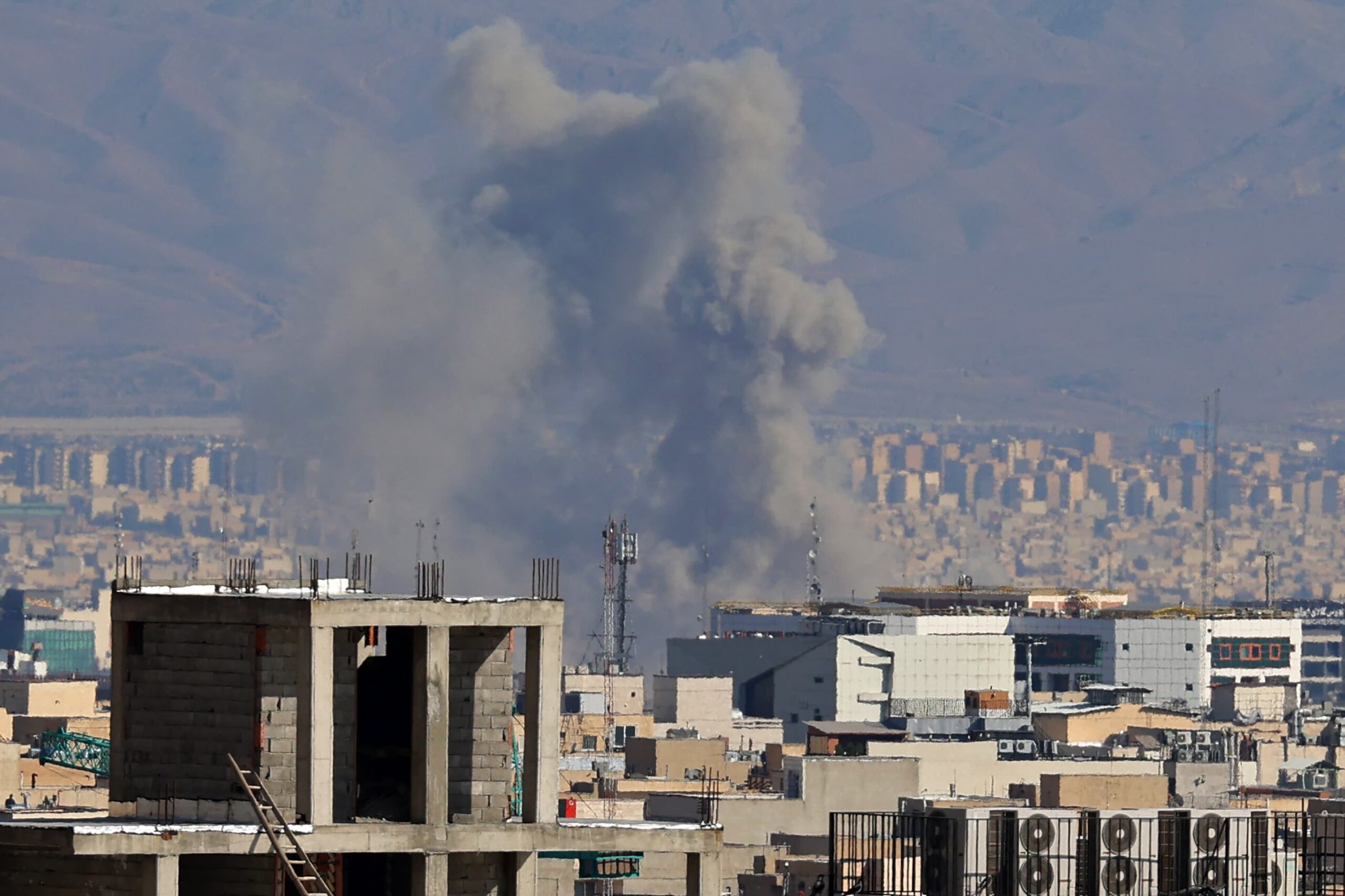
The long-held investment thesis that emerging markets offer a sanctuary of diversification from the heavy concentration of the S&P 500 is facing a rigorous stress test as the escalating military conflict between the United States and Iran reshapes global risk assessments. For years, institutional and retail investors alike have funneled capital into international equities, seeking to escape the gravitational pull of a few American technology giants. However, the sudden eruption of hostilities in the Middle East has pulled back the curtain on a different, perhaps more precarious, form of concentration: the overwhelming dominance of East Asian technology firms within the emerging market (EM) universe.
As the conflict intensifies, the narrative of emerging markets as a monolithic growth engine is being replaced by a more nuanced understanding of regional vulnerabilities. While the iShares MSCI Emerging Markets ETF (EEM) delivered a stellar 29% return in 2025, its performance in early 2026 has been marred by extreme volatility. This turbulence is not merely a byproduct of general market anxiety but a direct consequence of the index’s structural composition. Currently, more than 75% of the MSCI Emerging Markets index weight is concentrated in just four nations: China, South Korea, India, and Taiwan. Within these borders lie the titans of the global semiconductor and hardware industries, such as Taiwan Semiconductor Manufacturing Company (TSMC) and Samsung Electronics, which have become the primary drivers of EM returns.
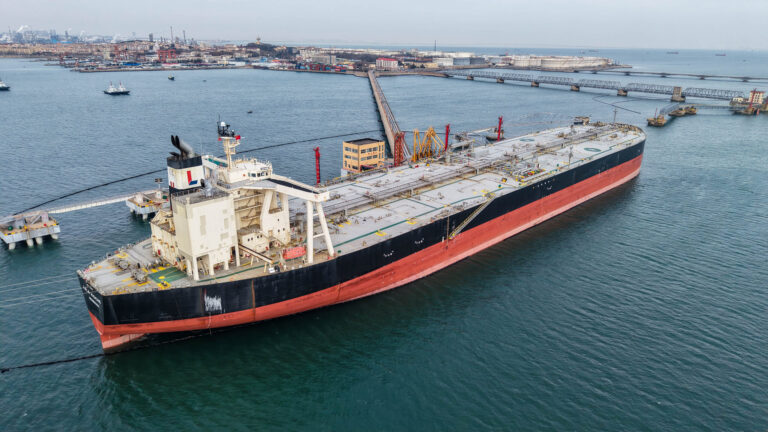
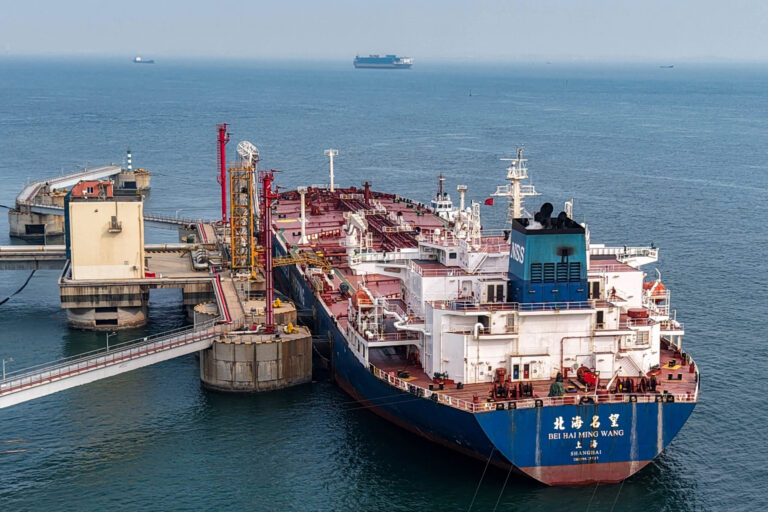
The intersection of Middle Eastern geopolitics and East Asian manufacturing creates a unique economic bottleneck. The "AI boom," which propelled many of these stocks to record highs in 2025, is a voracious consumer of energy. Semiconductor fabrication plants, or "fabs," require massive, uninterrupted supplies of electricity to maintain the precision required for high-end chip production. As the U.S.-Iran conflict threatens the stability of the Strait of Hormuz—a vital artery through which roughly 20% of the world’s liquid petroleum gas and oil passes—the energy security of Asia’s industrial powerhouses has been called into question.
This vulnerability was laid bare in the South Korean markets this week. The KOSPI index endured its most harrowing single-day decline in history on Wednesday, a sell-off triggered by fears that a protracted conflict would lead to an energy squeeze that could cripple the memory sector. Although the market staged a dramatic recovery on Thursday—marking its best session since the 2008 financial crisis—the underlying fragility remains evident. The iShares MSCI South Korea ETF (EWY) ended the week down nearly 13%, reflecting a massive repricing of risk. The volatility is particularly acute because of the retail fervor that fueled the 2025 rally; SK Hynix, a critical supplier of high-bandwidth memory for AI applications, surged 274% last year, while Samsung gained 125%. When such parabolic gains meet a geopolitical "black swan," the resulting de-leveraging can be violent.
The energy dimension of this crisis is further complicated by the rapid spike in crude prices. Brent crude futures breached the $90 per barrel threshold on Friday, with U.S. West Texas Intermediate (WTI) closing in on similar levels after a weekly advance of more than 30%. For the energy-import-dependent economies of North Asia, this represents a massive tax on production. The strain is already manifesting in policy shifts; reports indicate that China has instructed its domestic refineries to suspend exports of gasoline and diesel to ensure domestic stockpiles remain robust. If other Asian nations follow suit, the resulting regional energy crunch could stall the very manufacturing engines that investors have relied upon for international growth.
Economic analysts are now warning that the "concentration risk" in emerging markets is, in many ways, more systemic than the concentration seen in the U.S. Nasdaq or S&P 500. While the "Magnificent Seven" in the U.S. are software-heavy and capital-light, the leaders of the EM index are hardware-heavy and energy-dependent. This means that while U.S. tech might suffer from a decline in consumer spending or higher interest rates, Asian tech is uniquely sensitive to the physical flow of commodities and the stability of maritime trade routes.

In response to these shifting dynamics, seasoned portfolio managers are advocating for a "barbell approach" to international investing. This strategy involves balancing high-growth, tech-heavy Asian exposure with value-oriented, commodity-rich markets in other regions—most notably Latin America. The rationale is grounded in the basic principles of hedging: the very factors currently punishing Asian equities are acting as tailwinds for countries like Brazil, Argentina, and Colombia.
Latin American markets represent a stark contrast to their Asian counterparts. While Asia accounts for roughly 80% of the EM index, Latin America remains a much smaller, often overlooked slice of the pie. However, as net exporters of oil, minerals, and agricultural products, these economies stand to benefit from a sustained period of elevated commodity prices. Experts suggest that a prudent EM strategy should allocate between 25% and 33% of a portfolio to these commodity-linked markets. In this scenario, the rising cost of Brent crude, which acts as a headwind for a Samsung or a TSMC, becomes a significant revenue driver for a Petrobras in Brazil or an Ecopetrol in Colombia.
Beyond the commodity hedge, Latin America offers a compelling valuation argument. The valuation gap between the U.S. and emerging markets has reached historic proportions. The Vanguard S&P 500 ETF (VOO) currently trades at a price-to-earnings (P/E) ratio of approximately 28, reflecting high expectations for continued earnings growth. In contrast, the Vanguard FTSE Emerging Markets ETF (VWO) trades at a P/E of 18. In specific Latin American pockets, these ratios are even lower, often trading at half the valuation of the S&P 500. For value investors, this represents a significant margin of safety that is absent in the tech-saturated indices of the West and the East.
Political shifts are also playing a crucial role in the Latin American renaissance. Several nations in the region are currently undergoing rigorous fiscal reform efforts aimed at stabilizing currencies and attracting foreign direct investment. In Argentina and Brazil, all eyes are on legislative changes that could streamline tax codes and reduce government spending. If successful, these reforms could unlock significant value in the financial services and infrastructure sectors, which have traded at "distressed" levels for years. This internal "reform story" provides a growth catalyst that is independent of the global tech cycle, offering a true diversification benefit.
However, the transition to a more balanced EM portfolio is not without its challenges. Latin American markets are notoriously prone to political instability and currency fluctuations. The "barbell" is only effective if the investor can stomach the idiosyncratic risks of the Southern Hemisphere. Furthermore, the global dominance of the U.S. dollar continues to be a wild card; a "flight to safety" in the dollar often hurts all emerging markets indiscriminately, regardless of whether they are tech-led or commodity-led.
As the U.S. and Iran navigate a dangerous military and diplomatic standoff, the global investment community is receiving a masterclass in the importance of geographic and sectoral granularity. The era of treating "emerging markets" as a single, homogenous asset class appears to be over. The lessons of 2026 suggest that true diversification requires looking beyond the headline indices and understanding the physical and geopolitical dependencies of the companies within them.
For the modern investor, the goal is no longer just to be "international," but to be strategically positioned across the global economic spectrum. By balancing the high-octane, energy-intensive growth of Asian technology with the cyclical, resource-based stability of Latin American commodities, investors can build a portfolio that is better equipped to withstand the shocks of a fractured world. The conflict in the Middle East has served as a painful reminder that in a globalized economy, a spark in one region can dim the lights in a factory thousands of miles away. In such a world, concentration is not just a market metric—it is a strategic vulnerability.