

The escalating geopolitical tensions across the Middle East, particularly involving Iran, have unleashed a significant wave of disruption across the global aviation and tourism sectors, with India’s burgeoning travel industry experiencing immediate and profound repercussions. Airspace closures, flight rerouting, and widespread schedule adjustments have created an unprecedented gridlock in key transit hubs, threatening to derail the robust post-pandemic recovery of both outbound and inbound travel to and from India. While commercial flights have not ceased entirely, the strategic importance of Middle Eastern carriers and airports in connecting India to the rest of the world means the impact is far-reaching and deeply unsettling for an industry heavily reliant on seamless air connectivity.
The immediate fallout has been palpable for countless travelers. A case in point involves a 65-year-old father and his 35-year-old daughter from Gurugram, whose long-anticipated holiday to Egypt was abruptly put on hold just hours before their scheduled departure. The decision to postpone their trip by at least three months underscores the prevailing uncertainty that has gripped travelers contemplating international journeys. Similarly, a 20-member government delegation from Delhi, bound for Europe, has seen its travel plans shelved as flight disruptions intensify across crucial transit corridors. These instances are emblematic of a broader trend, with travel agents across India now fielding a deluge of calls from clients reassessing their international itineraries, weighing the allure of foreign destinations against the escalating risks and logistical complexities.
India’s reliance on the Middle East as a crucial aviation nexus cannot be overstated. According to a 2023 report by the industry body IATA, the Middle East accounts for a staggering 41% of all international flights originating from India. This statistic highlights the region’s indispensable role in facilitating India’s global connectivity, acting as a pivotal bridge to Europe, Africa, and North America. Dubai, a prominent aviation hub within this network, alone handles 5% of India’s total international departures, as per the same IATA report titled ‘Value of Air Transport to India’. Any significant disruption in this corridor inevitably translates into widespread turbulence for Indian air travel. Airlines, including major regional players like Emirates, Etihad, and Qatar Airways, which are primary choices for Indian travelers heading to Europe and beyond, have been compelled to adjust flight paths, leading to longer travel times, increased fuel consumption, and higher operational costs. Some have outright suspended services to affected areas, amplifying the connectivity crisis.
For Indian outbound tour operators, the crisis has brought about an unwelcome pause in their recovery trajectory. Radhika Khanijo, founder of Delhi-based luxury travel company Welgrow Travels, articulates the gravity of the situation: "All our outbound passengers travelling to Europe were flying via the Middle East on Emirates, Etihad or Qatar Airways. For the next three to four days, we have asked all our clients not to continue with any plan to travel. Most have either postponed their plans or cancelled altogether." She emphasized the significant impact on her business, which is largely focused on outbound luxury travel. The ripple effect extends beyond direct flight cancellations; it encompasses a loss of confidence among travelers, leading to a freeze in new bookings and a surge in requests for refunds or rebooking options. Airlines, under pressure, have started offering free cancellations and arranging hotel stays for stranded passengers, echoing measures seen during the global pandemic. However, the cumulative financial strain on airlines, tour operators, and ancillary services like travel insurance and foreign exchange providers is substantial, jeopardizing profit margins already thinned by past crises.

The challenges are not confined to outbound travel; the inbound tourism sector is also beginning to feel the strain, particularly given that a substantial portion of international traffic entering India transits through Middle Eastern hubs. Data from the Directorate General of Civil Aviation (DGCA) indicates that over 3.1 million passengers traveled between India and the UAE in the September quarter of 2025, averaging approximately 35,000 daily travelers. This high volume underscores the deep integration of regional air networks. Rajeev Kohli, joint managing director of Gurugram-based inbound travel company Creative Travel, confirmed the emerging impact: "We have already received a few cancellations, not because the people don’t want to come, but simply because they physically cannot." He highlighted the critical dependence on Middle Eastern carriers for airlift into and out of the country, noting that the absence of these airlines effectively halts a large portion of inbound traffic. The broader context, as Kohli suggests, is that "Asia in general had not bounced back to the pre-covid numbers in any real sense, barring Japan. And this war just crushes the recovery even more." This geopolitical instability arrives at a time when the global tourism industry, and particularly the Southeast Asian region, was still struggling to regain its pre-pandemic momentum, making the current disruptions particularly detrimental.
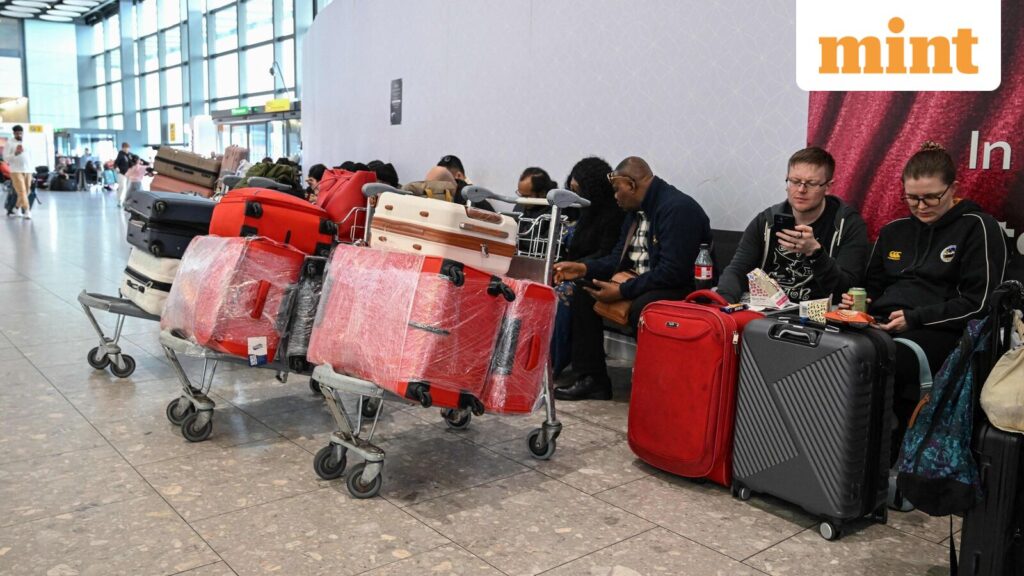
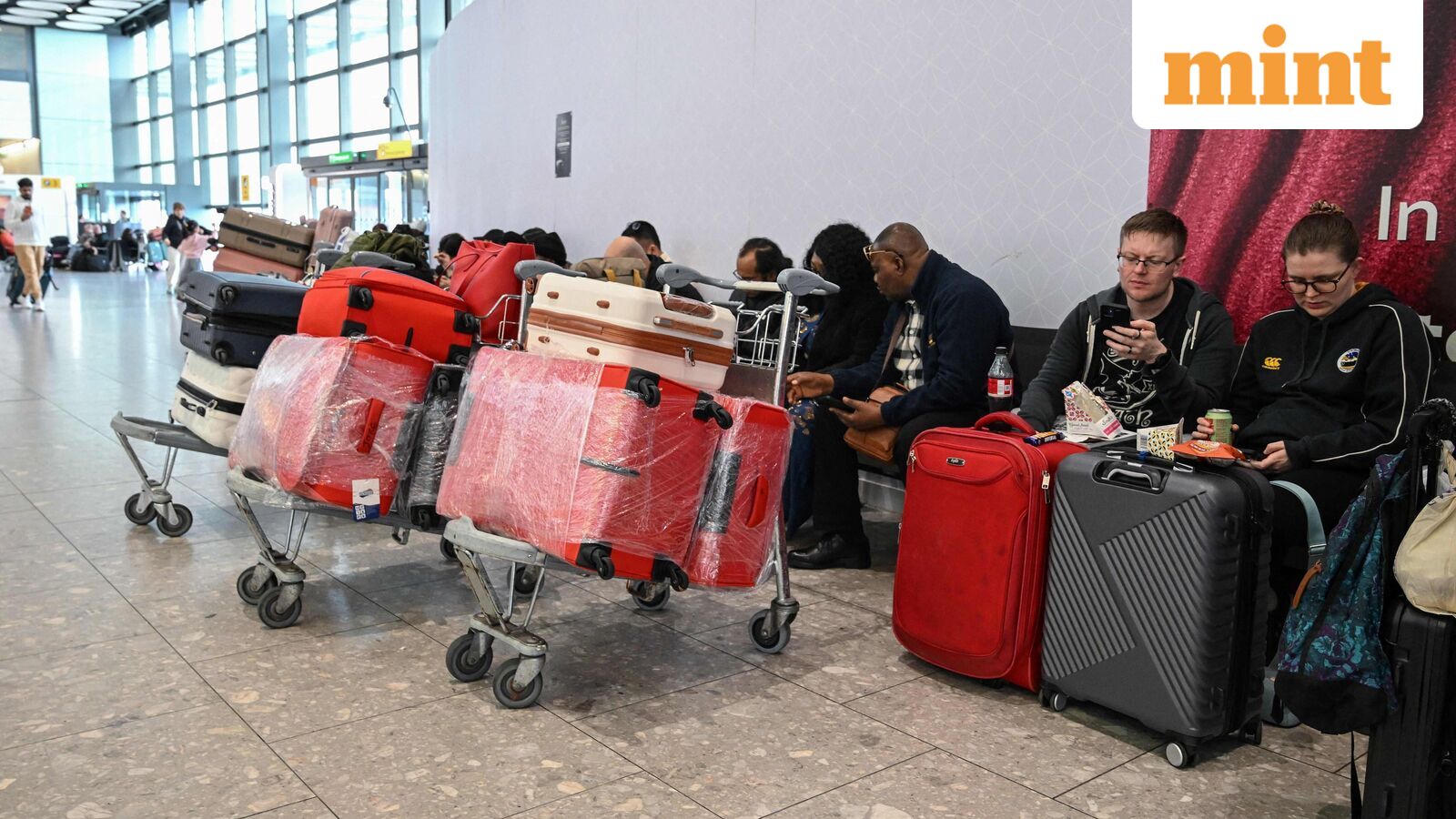
The closure of airspace in vital hubs such as the UAE and Qatar has created a choke point for both incoming and outgoing traffic. The operational complexities extend to last-minute flight changes, which often prove cost-prohibitive for both airlines and passengers. Reports indicate that around 3,400 flights in the region have been cancelled, with over 400 daily flights to India affected. This translates to thousands of passengers stranded, with airlines prioritizing their repatriation. Malaysia Airlines, for instance, announced the suspension of its flights to and from Doha, Jeddah, and Madinah due to continued airspace closures, illustrating the far-reaching implications beyond the immediate conflict zones.
While the immediate outlook presents significant hurdles, some industry observers suggest potential silver linings for India. Dipak Deva, managing director of inbound travel agency TCI, posits that India could emerge as an attractive alternative destination for holidaymakers who might otherwise have chosen the Gulf region. "India can gain as most holiday makers to the Gulf will look at other places and India could be a very good option for travellers," he remarked. He noted that travelers using direct Indian carriers like Air India are largely unaffected, and a broader regional shift in travel patterns could benefit India, especially during the upcoming summer months. However, this potential gain is currently overshadowed by the immediate challenge of connectivity. March and April, typically strong months for inbound tourism due to Easter holidays, are already experiencing a rise in travel postponements to India, with the expectation of further cancellations. The industry faces a critical two-month period, during which the longevity and intensity of the geopolitical tensions will dictate the extent of the damage.
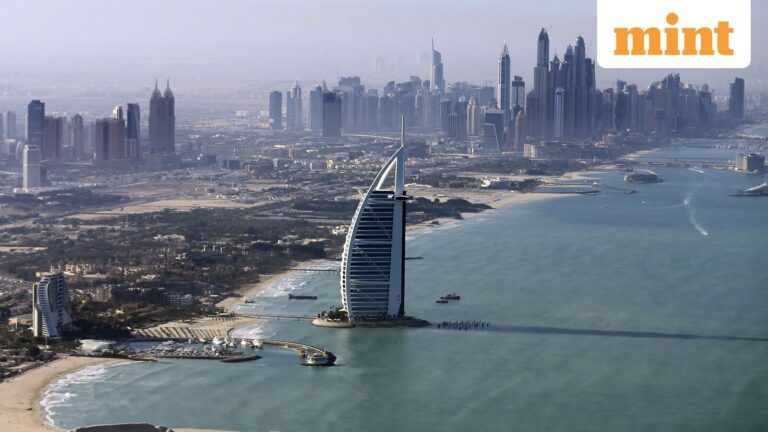
The biggest shock from a tourism standpoint, as noted by some, was the significant disruption experienced in a key hub like Dubai, underscoring the vulnerability of even the most robust travel ecosystems to external shocks. The profound reliance on Middle Eastern carriers for global connectivity means that the ripple effects are felt by tour operators worldwide. While Indian carriers continue to operate flights, and India remains a safe destination, the broader situation is not expected to improve immediately. Stranded passengers will eventually be transported, but the heavy global dependence on these carriers means the travel industry is in a precarious "wait-and-watch" mode, bracing for further cancellations and adjustments. The current geopolitical climate serves as a stark reminder of the fragility of global supply chains, including those underpinning international travel, and underscores the urgent need for diversification and resilience strategies within the industry to mitigate the impact of unforeseen external shocks.