


Escalating geopolitical tensions across West Asia are beginning to send ripples through critical trade and travel arteries, posing a dual challenge to India’s burgeoning medical value tourism sector and its robust pharmaceutical export industry. The region, a nexus of global commerce and a significant partner for India, is witnessing heightened security concerns that are reshaping aviation routes, disrupting maritime shipping lanes, and injecting a palpable degree of uncertainty into cross-border economic activities crucial for India’s service and manufacturing exports. This instability, primarily stemming from a complex interplay of conflicts involving various state and non-state actors, threatens to elevate operational costs and potentially dampen demand, compelling Indian businesses to recalibrate their strategies in a rapidly evolving global landscape.
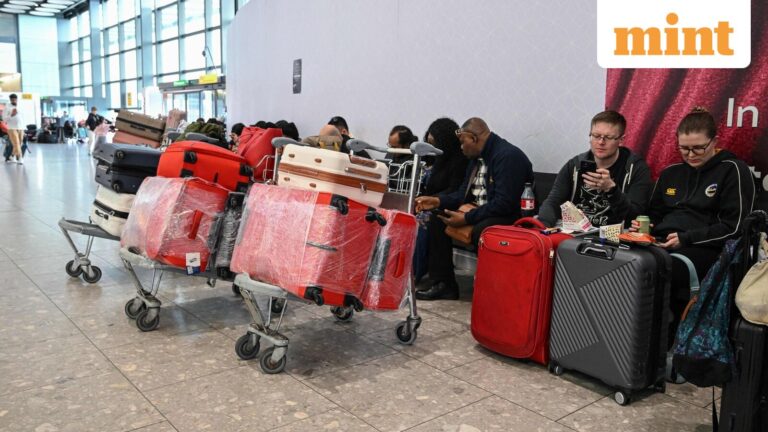
The immediate fallout is most evident in the aviation sector, a lifeline for medical travelers. Airspace restrictions and perceived security risks in parts of the Middle East have led to widespread flight cancellations and re-routings. For instance, regulatory bodies noted hundreds of flight cancellations by Indian carriers on specific dates in late February and early March due to security concerns over regional airspace. These disruptions extend beyond direct flights to West Asia, affecting long-haul routes connecting India to Europe and North America that typically traverse Gulf airspace. Such operational shifts inevitably lead to extended travel times, higher fuel consumption, increased insurance premiums for airlines, and consequently, inflated ticket prices. For patients seeking critical medical care, these factors translate into significant logistical hurdles, financial strain, and considerable psychological stress, making planned medical journeys fraught with unpredictability.
India has cemented its position as a global leader in medical value tourism (MVT), driven by its cost-effectiveness, world-class medical expertise, advanced infrastructure, and a diverse array of specialized treatments ranging from complex cardiac surgeries and oncology to organ transplants and fertility treatments. The sector attracted an estimated 644,387 foreign tourist arrivals in 2024, with West Asia emerging as a pivotal source market, contributing nearly 18% of these inbound patients—approximately 115,000 travelers. Nations like Iraq, Oman, and even Saudi Arabia have shown consistent growth in patient outflows to India over recent years, often supported by government-sponsored healthcare programs or individual preferences for specialized care not readily available or affordable domestically.
However, the current climate of uncertainty is significantly influencing patient decision-making. Dr. Aashish Chaudhry, managing director of Aakash Healthcare, underscores how airspace restrictions and rising travel anxieties directly impact patient mobility. Patients, particularly those requiring non-emergency or elective procedures, are increasingly hesitant to commit to travel plans that could be disrupted at short notice. This could lead to a deferral of treatments or a re-evaluation of destinations, potentially impacting India’s near-term MVT volumes. Paradoxically, this instability in regional travel hubs like Dubai, traditionally favored by some Indian patients for specialized care, might also redirect some of these patients back towards India, positioning it as a relatively more stable and accessible alternative in times of crisis.
Major hospital networks with significant international patient flows are already bracing for a potential softening of demand. Fortis Healthcare, for example, reports that West Asia accounts for approximately 22% of its total international patient footfall. Dr. Ritu Garg, chief growth officer at Fortis, highlights that while India’s clinical expertise, cost advantages, and swift access to high-value procedures remain compelling, ongoing geopolitical conflict can severely impact this segment. Beyond direct travel restrictions and flight disruptions, currency instability in some West Asian economies and potential delays in government-sponsored referral programs further compound the risk of reduced high-value surgical volumes. While Fortis anticipates a temporary moderation in the initial quarter, the group is proactively mitigating risks by diversifying its source markets to include countries in Africa and other parts of South Asia, alongside a strategic focus on medicine-led clinical growth. This adaptive strategy reflects a broader industry trend towards building resilience against regional shocks.

The pharmaceutical industry, another cornerstone of India’s export economy, faces a different yet equally formidable challenge: widespread disruption to global shipping lanes. The Red Sea-Suez Canal corridor and the Strait of Hormuz are two of the world’s most critical maritime chokepoints, through which a significant portion of global trade, including pharmaceutical products, passes. Security concerns, particularly in the Red Sea following attacks by Houthi militants, have compelled major shipping carriers to reroute vessels, primarily around the Cape of Good Hope, adding thousands of nautical miles to voyages. This circumvention extends transit times by an average of 10 to 20 days and has sent freight rates soaring by 40-50% on key India-Europe routes, with similar increases expected for routes impacting West Asia.
India is globally recognized as the "Pharmacy of the World," being the largest provider of generic medicines globally and a major exporter of active pharmaceutical ingredients (APIs) and vaccines. Its pharmaceutical exports stood at an impressive $30.47 billion, with West Asia accounting for approximately 6% of this total. Furthermore, India fulfills nearly 40% of Iran’s generic medicine requirements, a market already complicated by international sanctions but now further strained by logistics disruptions. The spiraling freight and insurance costs, coupled with extended delivery timelines, create significant pressures across the supply chain. This is particularly critical in months like March, when Indian pharmaceutical firms typically accelerate export volumes to meet annual financial targets.
Uday Bhaskar, former director general of Pharmexcil (Pharmaceuticals Export Promotion Council of India), emphasizes that the ongoing conflict translates directly into supply-chain instability and higher operating expenses. The repercussions extend beyond direct shipments to Iran; Dubai, for instance, serves as a crucial redistribution hub for Indian generics and APIs destined for various African and other Arab nations. Disruptions to this hub create a ripple effect, delaying essential medical supplies across a broader geographic region and increasing the cost burden on downstream markets. The unpredictable nature of retaliatory threats and the closure of regional airlines for cargo further necessitate a cautious "wait and watch" approach for these essential medical shipments, potentially leading to inventory buildup or, conversely, shortages if not managed effectively.
The economic implications are multifaceted. For medical tourists, increased airfares and travel uncertainties add to the already significant financial and emotional burden of seeking overseas treatment. For hospitals, a dip in international patient volumes directly impacts revenue streams and operational planning. In the pharmaceutical sector, higher logistics costs erode profit margins, especially for generic drugs where pricing is highly competitive. These added costs could eventually be passed on to consumers, potentially impacting the affordability of medicines in recipient countries, including those with already strained healthcare budgets. Furthermore, prolonged disruptions can force a re-evaluation of supply chain strategies, encouraging a shift towards more localized manufacturing or diversification of sourcing, which could have long-term structural implications for global trade flows.
Despite these immediate challenges, industry leaders maintain that India’s robust healthcare infrastructure and resilient manufacturing capabilities are well-positioned to absorb temporary shocks. Dr. Chaudhry suggests that geopolitical instability could, in the long run, reinforce India’s role as a dependable healthcare destination if patients increasingly shift away from regional transit hubs perceived as less secure. This scenario would align with and potentially accelerate the "Heal in India" vision, a government initiative aimed at promoting India as a global healthcare destination, further enhanced by stronger coordination between healthcare providers and aviation authorities. Similarly, Viranchi Shah, national spokesperson for the Indian Drugs Manufacturers Association (IDMA), characterizes the situation primarily as a "short-term supply disruption" driven by heightened freight costs rather than a fundamental decline in demand for Indian pharmaceuticals.
Nevertheless, continuous vigilance and strategic adjustments are paramount. Businesses are exploring options such as diversifying shipping routes, negotiating new freight contracts, and potentially leveraging alternative transit hubs outside the immediate conflict zones. The Indian government, through its Directorate General of Civil Aviation and Ministry of Commerce, is likely monitoring the situation closely to provide guidance and support to affected industries. While the current volatility presents undeniable hurdles, it also serves as a critical test of India’s supply chain resilience and its adaptive capacity in an increasingly interconnected and unpredictable global economy. The ability to navigate these geopolitical headwinds will not only determine the near-term performance of these key sectors but also solidify India’s long-term standing as a reliable partner in global healthcare and pharmaceutical supply.