The delicate equilibrium of global financial markets was shattered this week as a significant escalation in Middle Eastern hostilities sent shockwaves through trading floors from New York to Tokyo. In a rare and unsettling synchronization, both equity and fixed-income markets experienced sharp declines, defying the traditional "flight to safety" narrative that often sees bonds rally when stocks falter. This simultaneous retreat highlights a growing anxiety among institutional investors: the fear that a widening regional conflict will not only destabilize one of the world’s most critical energy corridors but also reignite the inflationary pressures that central banks have spent the last two years desperately trying to extinguish.
The catalyst for the current market rout stems from a rapid intensification of kinetic military actions involving major regional powers. As the conflict transcends localized skirmishes and threatens to draw in direct participation from state actors, the "geopolitical risk premium"—a metric that had remained relatively subdued throughout the early stages of the year—has surged back to the forefront of investment strategy. The prospect of a prolonged engagement has forced a fundamental repricing of risk across multiple asset classes, leading to a broad-based liquidation of positions as fund managers pivot toward liquidity and defensive posture.
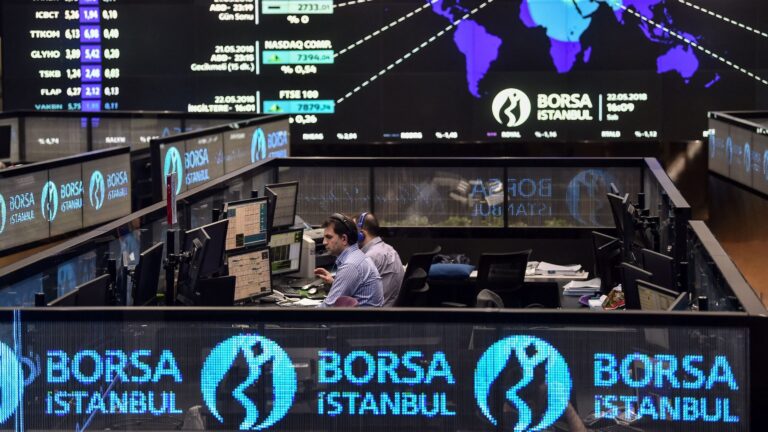
In the equity markets, the sell-off was both deep and wide. The S&P 500 and the tech-heavy Nasdaq Composite saw significant intraday losses, with the latter particularly hard-hit due to its sensitivity to interest rate expectations. European bourses followed suit, with the Euro Stoxx 50 and the DAX recording their worst sessions in months. The volatility was not confined to the West; Asian markets, which are heavily dependent on Middle Eastern energy imports, reacted with even greater trepidation. The Nikkei 225 plummeted as traders factored in the potential for higher manufacturing costs and weakened consumer spending power in the face of rising fuel prices.
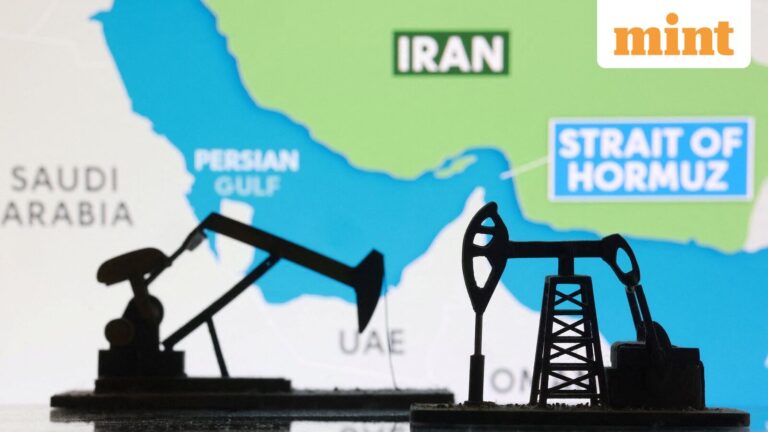
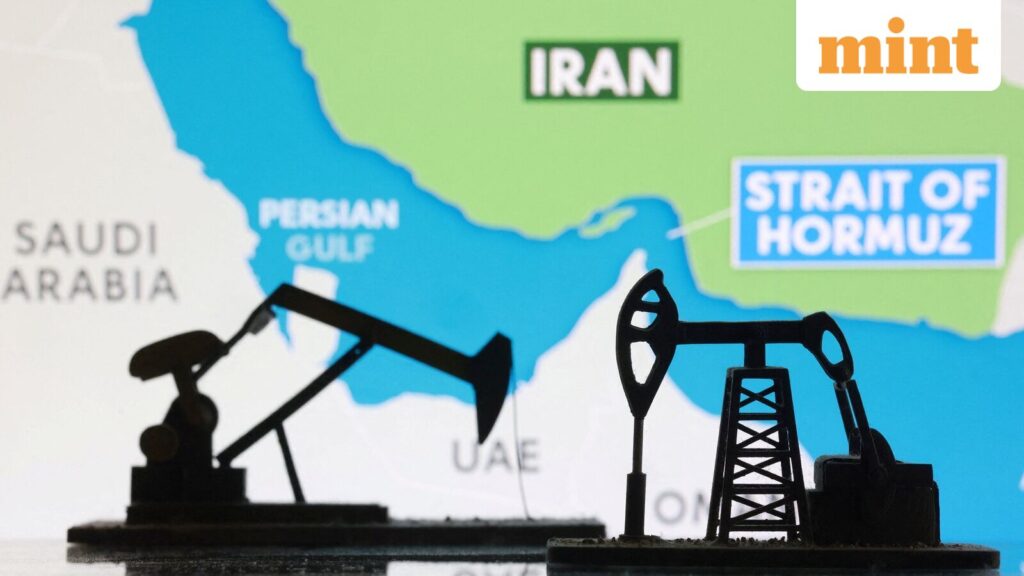
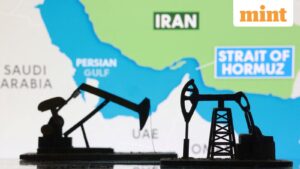
The most striking aspect of the current market downturn, however, is the behavior of the bond market. Typically, during times of war or geopolitical upheaval, investors seek the perceived safety of government debt, driving prices up and yields down. This week, that relationship inverted. Treasury yields climbed across the curve, reflecting a "bond tumble" that suggests the market is more concerned with the inflationary consequences of the war than with a general economic slowdown. The logic is grounded in the energy sector: if a wider war disrupts supply chains in the Persian Gulf or leads to the closure of the Strait of Hormuz—through which roughly 20% of the world’s daily oil consumption passes—crude prices could easily breach the $100-per-barrel mark. Such a spike would act as a massive "inflation tax" on the global economy, likely forcing the Federal Reserve and the European Central Bank to delay or even reverse their planned interest rate cuts.
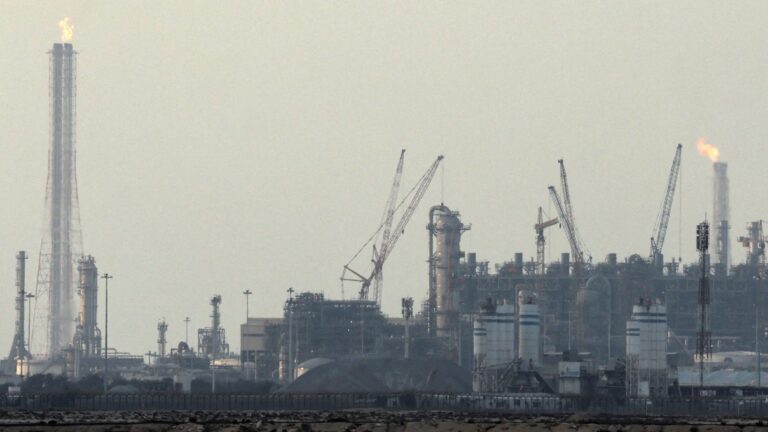
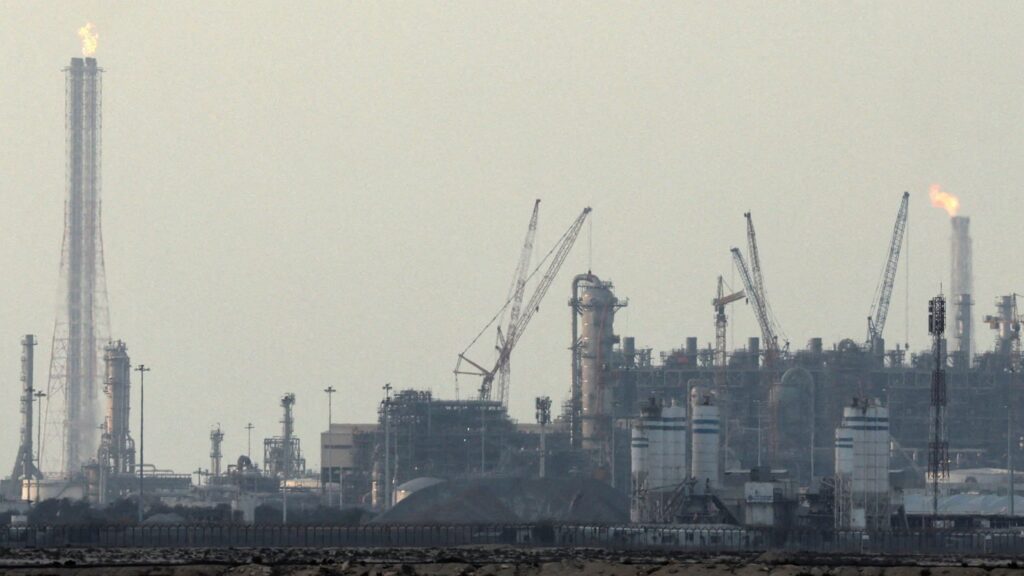
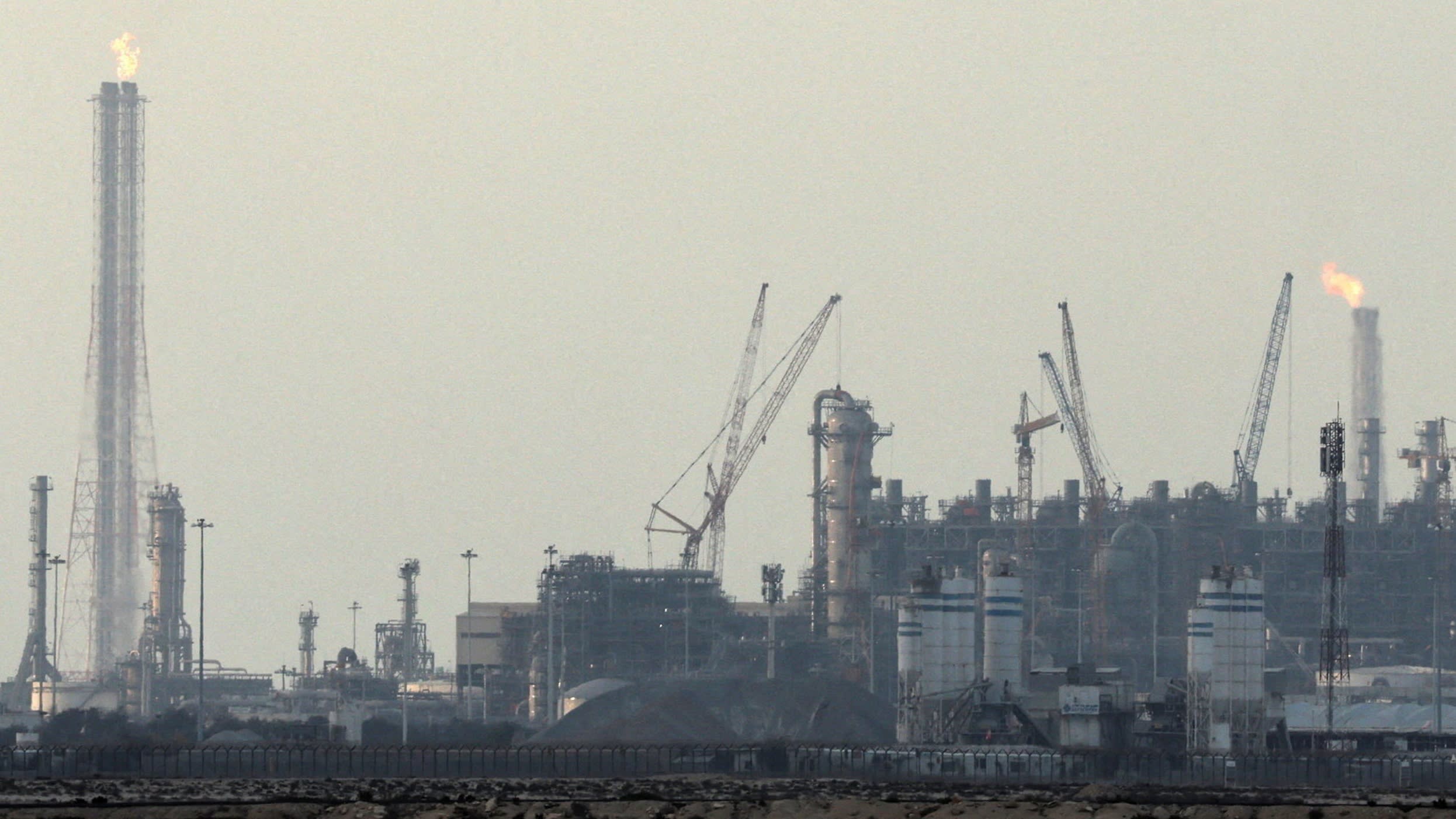
Energy markets have already begun to price in this "worst-case scenario." Brent crude and West Texas Intermediate (WTI) futures both surged by more than 4% in a single trading session, hitting levels not seen since the initial shocks of early 2024. Analysts warn that the current price action is just the beginning if the conflict expands to include direct strikes on energy infrastructure. While the United States has increased its domestic production to record levels, and OPEC+ maintains a degree of spare capacity, the logistical nightmare of a blocked maritime route remains a systemic risk that no amount of strategic reserve releasing can fully mitigate.
The economic impact analysis of a wider Middle Eastern war extends far beyond the gas pump. Global supply chains, already strained by the ongoing diversions around the Red Sea due to maritime attacks, face a dual threat. Increased insurance premiums for shipping and the necessity of taking longer, more expensive routes around the Cape of Good Hope are adding significant "friction" to international trade. For the retail and manufacturing sectors, this translates to higher landed costs for goods, further complicating the "disinflation" narrative that had recently bolstered market optimism.
Expert insights from major investment banks suggest that we are entering a period of "structural volatility." According to senior macro strategists, the market had become "dangerously complacent" regarding geopolitical tail risks, focusing instead on the timing of a "soft landing" for the U.S. economy. This week’s events have served as a violent reminder that the global economy does not operate in a vacuum. The interconnectedness of energy prices, central bank policy, and sovereign stability means that a tactical miscalculation in the Middle East can have immediate and profound consequences for a pension fund in London or a tech startup in Silicon Valley.
From a global comparison perspective, the vulnerability of various economies to this conflict is unevenly distributed. Emerging markets, particularly those with high debt loads denominated in U.S. dollars and a heavy reliance on energy imports, are at the highest risk of a balance-of-payments crisis. Countries like India and Egypt are being watched closely by analysts, as any sustained increase in oil prices could blow out their current account deficits and lead to rapid currency depreciation. Conversely, the U.S. dollar has strengthened significantly, acting as a "wrecking ball" to other currencies as it absorbs the world’s safe-haven flows. This "King Dollar" phenomenon, while beneficial for American purchasing power, adds another layer of stress to the global financial system by making dollar-denominated debt more expensive for foreign borrowers.
The role of gold in this environment cannot be overlooked. As stocks and bonds fell, the precious metal reached near-record highs, reclaiming its status as the ultimate hedge against systemic collapse and currency debasement. Central banks, particularly in the "Global South," have been accelerating their gold purchases over the last eighteen months, a trend that appears to be vindicated by the current instability. The move into gold reflects a broader "de-risking" from traditional Western financial assets, as the weaponization of finance and the unpredictability of the geopolitical landscape prompt a return to "hard" assets.
Looking forward, the trajectory of global markets will be dictated by the scope of the military response and the effectiveness of diplomatic backchannels. Investors are currently operating in an information vacuum, where every headline from the region triggers algorithmic trading sell-offs. The upcoming earnings season will provide some distraction, but even the most robust corporate profits may be overshadowed by the macro-economic reality of a world on the brink of a broader conflict.
Furthermore, the "fiscal space" for governments to respond to another economic shock is significantly more limited than it was during the 2020 pandemic or the 2022 energy crisis. With sovereign debt levels at historic highs and interest rates still at restrictive levels, the ability of states to provide subsidies or stimulus to offset rising energy costs is severely curtailed. This "policy exhaustion" is a major concern for economists, who worry that a sustained energy shock could tip the global economy into a "stagflationary" trap—low growth combined with high inflation—which is notoriously difficult for central banks to manage.
In conclusion, the current turmoil in the stock and bond markets is not merely a reactionary dip but a profound reassessment of the global risk environment. The widening war in the Middle East has exposed the fragility of the "Goldilocks" scenario that many investors had come to rely upon. As the world watches the unfolding military developments, the financial community is bracing for a period of heightened uncertainty, where the traditional rules of diversification may no longer apply, and the cost of capital remains tethered to the volatile price of a barrel of oil. The coming weeks will be a crucible for global markets, testing the resilience of the post-pandemic recovery against the oldest and most unpredictable of market forces: the fog of war.