

Global energy markets are grappling with a renewed era of volatility as the conflict in the Middle East enters a dangerous new phase, marked by direct Iranian intervention against critical industrial and energy infrastructure. Crude oil futures spiked sharply during recent trading sessions, reflecting a heightened "geopolitical risk premium" that analysts warn could become a permanent fixture of the market if regional stability continues to erode. The shift from localized skirmishes to systematic targeting of infrastructure represents a significant escalation, threatening not only regional security but the fragile equilibrium of the global economy.
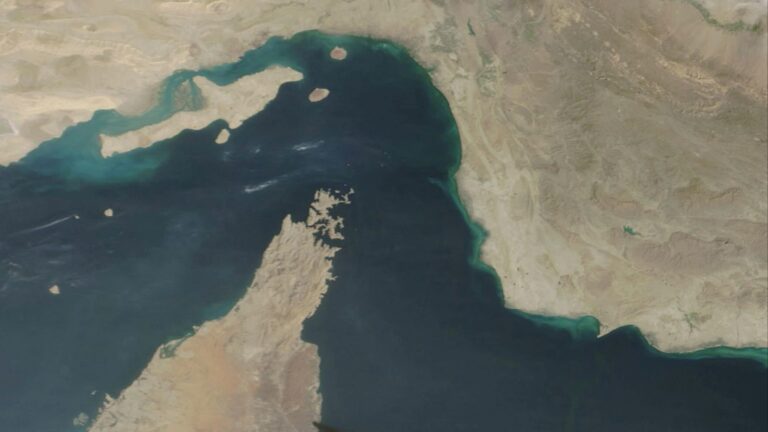
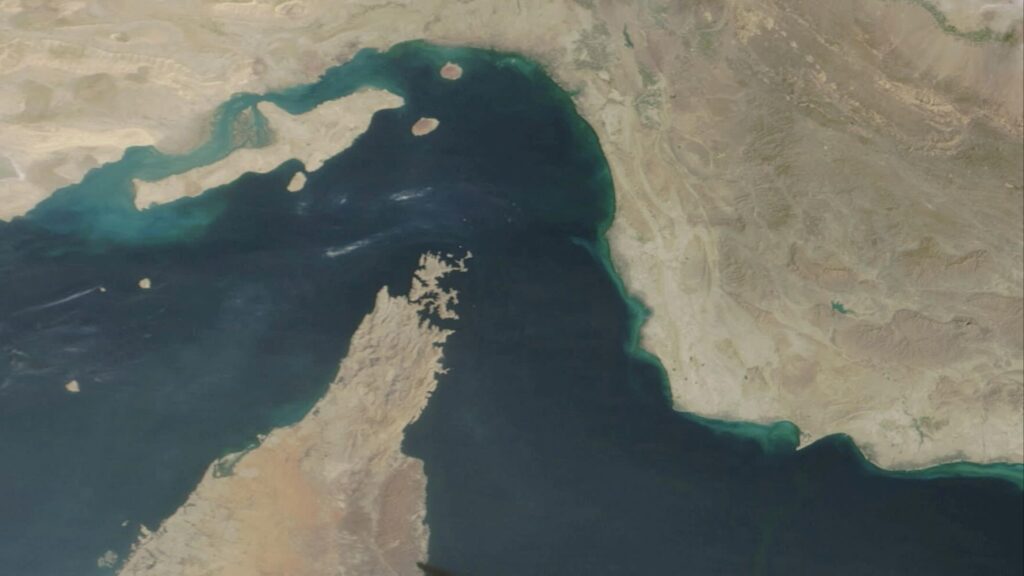
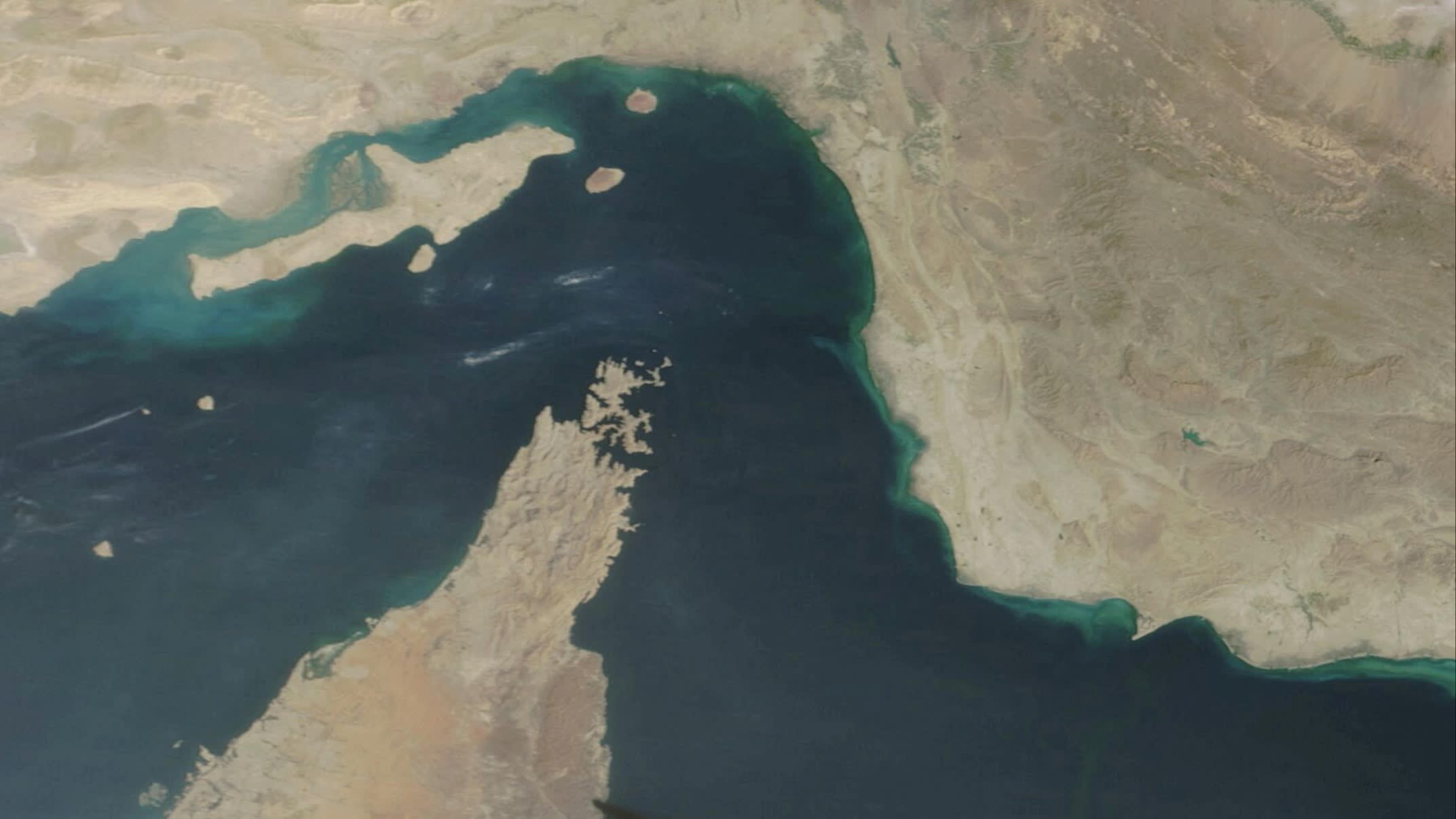
The immediate catalyst for the market rally was a series of reports detailing Iranian strikes on high-value logistical and energy nodes. Brent crude, the international benchmark, surged by over 4% in a single day of trading, while West Texas Intermediate (WTI) followed a similar trajectory, breaching key psychological resistance levels. For traders, the primary concern is no longer just the interruption of supply from a single producer, but the potential for a cascading failure across the world’s most vital energy corridor. This anxiety is compounded by the fact that nearly one-fifth of the world’s daily oil consumption passes through the Strait of Hormuz, a narrow waterway that Iran has historically used as a strategic lever in times of crisis.
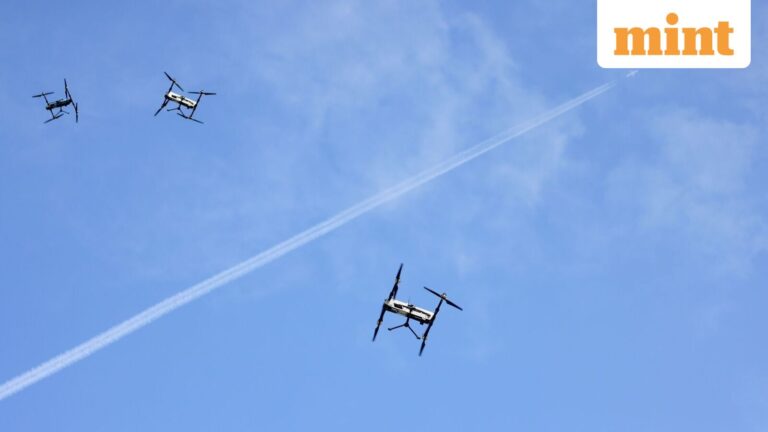
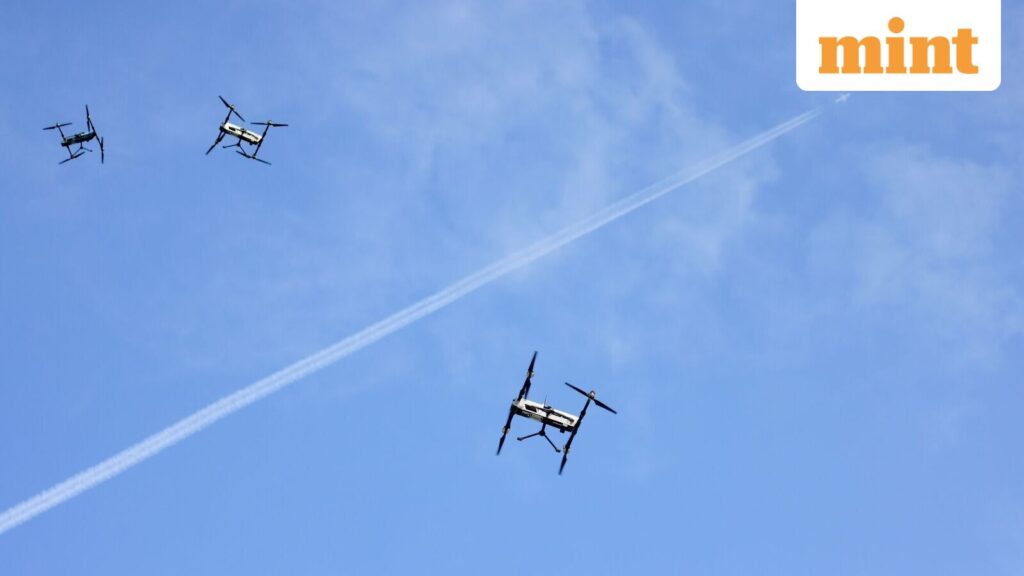
Market participants are currently pricing in the possibility of a "worst-case scenario" involving prolonged disruptions to refinery operations and export terminals. Unlike previous bouts of tension, which were often characterized by rhetoric and proxy maneuvers, the current situation involves the deployment of sophisticated drone and missile technology designed to bypass modern air defense systems. The precision of these attacks on infrastructure suggests a calculated attempt to inflict maximum economic pain, targeting the "jugular vein" of global energy logistics rather than engaging in traditional territorial warfare.
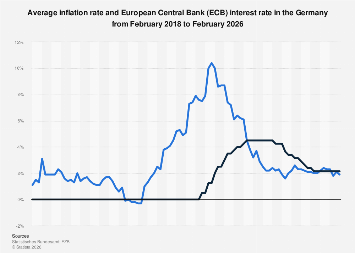
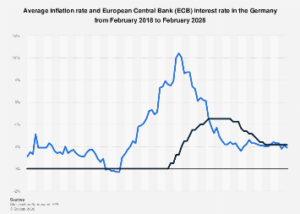
The economic implications of this escalation extend far beyond the gas pump. Rising energy prices act as a regressive tax on global consumption, threatening to reignite inflationary pressures just as central banks in the United States and Europe were beginning to signal a pivot toward lower interest rates. If oil prices sustain their current upward momentum, the Federal Reserve and the European Central Bank may be forced to maintain a restrictive monetary stance for longer than anticipated, increasing the risk of a "hard landing" for the global economy. For emerging markets, which are particularly sensitive to fluctuations in energy costs and the strength of the U.S. dollar, the situation is even more precarious.
Expert analysis suggests that the current strategy employed by Tehran is an exercise in asymmetric warfare intended to deter further military action by regional rivals and their Western allies. By demonstrating the vulnerability of the region’s energy architecture, Iran is signaling that any further expansion of the conflict will come at an unbearable cost to the international community. This "infrastructure-first" approach is reminiscent of the 2019 attacks on Saudi Arabia’s Abqaiq and Khurais processing facilities, which temporarily knocked out half of the kingdom’s production capacity. However, the current geopolitical climate is far more fractured, with less diplomatic "off-ramp" potential than existed five years ago.
The maritime sector is also feeling the brunt of the instability. War risk insurance premiums for tankers operating in the Persian Gulf and the Red Sea have skyrocketed, in some cases doubling overnight. Shipping companies are increasingly faced with a difficult choice: continue to navigate the high-risk waters of the Middle East or divert vessels around the Cape of Good Hope. The latter option adds thousands of miles to the journey, significantly increasing fuel costs and delaying the delivery of both crude oil and liquefied natural gas (LNG) to markets in Asia and Europe. This logistical strain is contributing to a broader "supply chain fatigue" that has persisted since the post-pandemic recovery.
From a comparative perspective, the current crisis highlights a shifting dynamic in global energy dependence. While the United States has become a net exporter of petroleum products thanks to the shale revolution, it remains deeply integrated into global price structures. A spike in Brent crude inevitably pulls domestic prices higher, regardless of local production levels. Meanwhile, China, the world’s largest importer of crude oil, finds itself in a particularly delicate position. Beijing relies heavily on Iranian and Gulf oil to power its massive industrial base. Any prolonged disruption to Middle Eastern supplies could derail China’s efforts to stimulate its cooling economy, potentially leading to a slowdown in global trade.
OPEC+, the alliance led by Saudi Arabia and Russia, is watching the situation with a mixture of caution and strategic calculation. While higher prices theoretically benefit the revenue streams of member states, extreme volatility and the destruction of infrastructure are counterproductive to long-term market stability. There are questions regarding the "spare capacity" available to offset potential Iranian losses. While Saudi Arabia and the United Arab Emirates maintain significant buffers, the technical ability to bring that oil to market depends entirely on the safety of the export terminals currently under threat. If the infrastructure itself is the target, spare capacity becomes a moot point.
The psychological impact on the market cannot be overstated. "Peak uncertainty" is the phrase currently circulating among energy analysts in London and New York. The unpredictability of the conflict’s trajectory has led to a surge in call option buying, as investors seek protection against a potential move toward $100 per barrel. This speculative activity often creates a self-fulfilling prophecy, driving prices higher even before a physical shortage occurs. The "fear factor" is currently estimated to account for $10 to $15 of the current price per barrel, a figure that could expand if infrastructure attacks become a daily occurrence.
Technological advancements in warfare have also changed the stakes for energy security. The proliferation of low-cost, high-precision loitering munitions—often referred to as "suicide drones"—has made even the most sophisticated refineries vulnerable. These assets are difficult to track and intercept compared to traditional ballistic missiles. For countries in the region, the cost of defense is becoming exponentially higher than the cost of offense, a reality that is forcing a radical rethink of how energy assets are protected.
Looking ahead, the international community faces a complex set of challenges. Diplomatic efforts to de-escalate the situation are hampered by the breakdown of previous nuclear agreements and the hardening of positions across the region. The United States has reinforced its military presence in the area to protect commercial shipping, but the sheer scale of the infrastructure at risk makes total protection an impossible task. There is also the risk of "miscalculation," where a single strike on a high-casualty target or a major environmental asset—such as a large offshore platform or a desalination plant—could trigger a full-scale regional war.
In the long term, this period of instability may accelerate the global transition toward renewable energy and nuclear power as nations seek to reduce their exposure to Middle Eastern volatility. However, that transition is a decades-long process that offers little relief for the immediate economic pressures. For now, the world remains tethered to a region where the lines between political grievance and economic warfare have become dangerously blurred. The "infrastructure war" is not just a localized conflict; it is a direct challenge to the global energy order that has underpinned the modern economy for the last half-century.
As the situation evolves, market participants will be closely monitoring the response of the Biden administration and the potential for a coordinated release from the Strategic Petroleum Reserve (SPR). While such a move could provide temporary relief, it does little to address the underlying security threat to the production facilities themselves. The global economy is essentially holding its breath, waiting to see if the current spike in oil prices is a temporary shock or the beginning of a sustained energy crisis that could redefine the economic landscape of the mid-2020s. The focus remains squarely on the horizon, where the smoke from targeted infrastructure serves as a grim indicator of the challenges yet to come.