
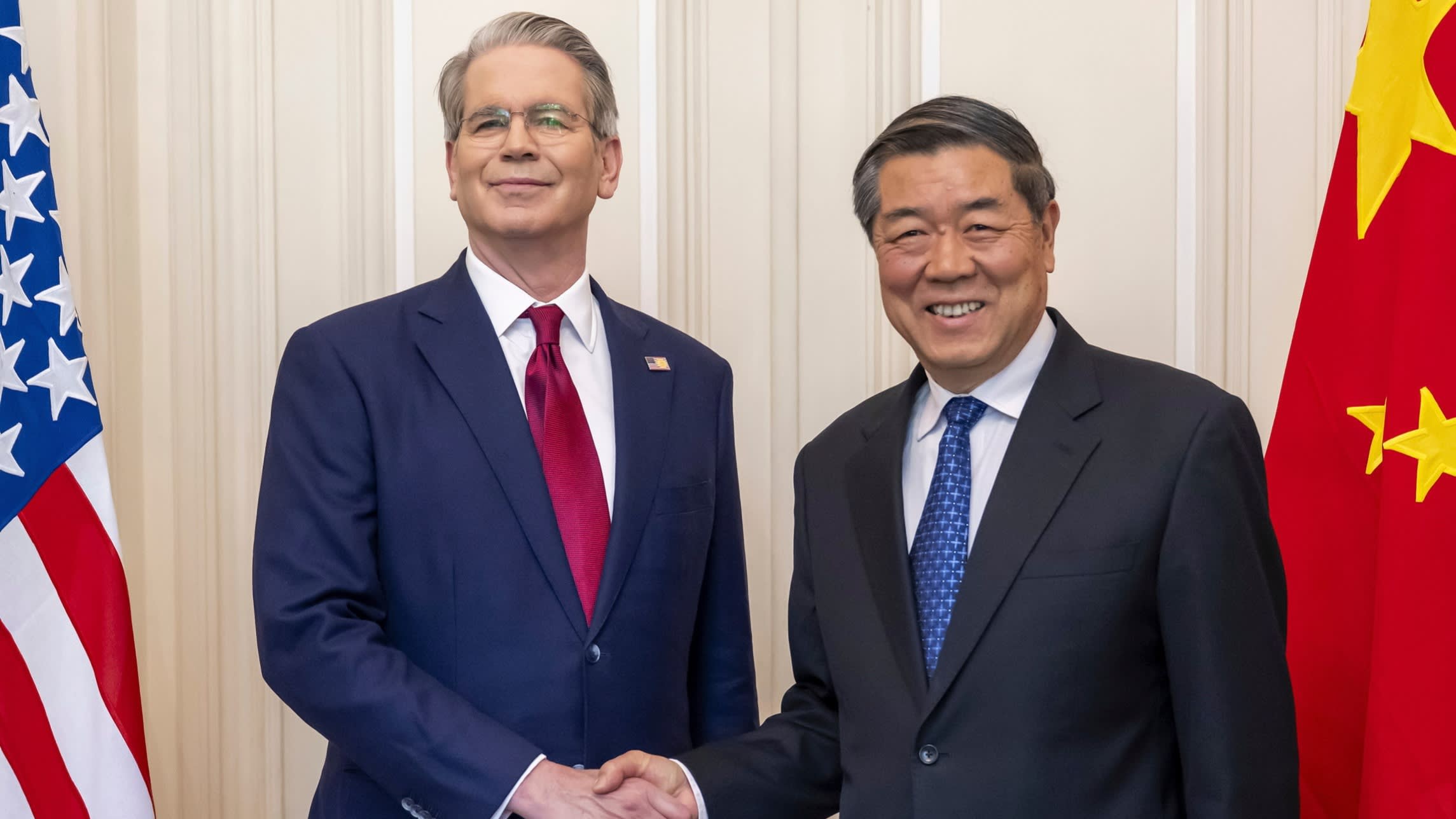
The delicate architecture of international trade, already strained by months of escalating tariffs and heated rhetoric, has been thrust into a renewed state of uncertainty following signals from the White House regarding a potential delay in high-level summitry. The prospect of a face-to-face meeting between U.S. President Donald Trump and Chinese President Xi Jinping has long been viewed by global markets as the necessary catalyst for a "Phase One" trade resolution. However, the suggestion that such a meeting might be pushed back beyond previously anticipated deadlines has sent ripples through global financial hubs, underscoring the fragile nature of the current bilateral "reboot." This strategic hesitation highlights a fundamental tension in modern statecraft: the use of scheduling as a tool of leverage in complex economic negotiations.
The current impasse is not merely a matter of logistics but a reflection of the deep-seated structural disagreements that have defined the U.S.-China relationship since the initiation of the Section 301 investigation into China’s technology transfer and intellectual property practices. For the Trump administration, the delay serves as a tactical maneuver intended to maintain pressure on Beijing. By withholding the prestige and finality of a presidential summit, Washington aims to extract further concessions on issues ranging from agricultural purchase guarantees to the enforcement mechanisms that would govern any future agreement. For Beijing, the postponement represents a challenge to its desire for stability and a predictable roadmap toward tariff relief, particularly as the Chinese economy faces its own internal headwinds, including a cooling manufacturing sector and a debt-leveraged property market.
Market reactions to the prospect of a delayed summit have been characteristically swift. Equity futures in New York, London, and Tokyo have historically shown extreme sensitivity to the cadence of trade talks, with the S&P 500 and the Hang Seng Index often oscillating based on nothing more than a social media post or a brief press gallery comment. Analysts at major investment banks suggest that the "uncertainty premium" remains a significant drag on corporate capital expenditure. When the timeline for a resolution shifts, multinational corporations are forced to remain in a defensive crouch, delaying long-term investments in supply chain infrastructure. According to data from the International Monetary Fund (IMF), trade tensions have been a primary driver in lowering global GDP growth forecasts, with the cumulative effect of the trade war potentially shaving off 0.8% of global output by the end of the fiscal cycle.
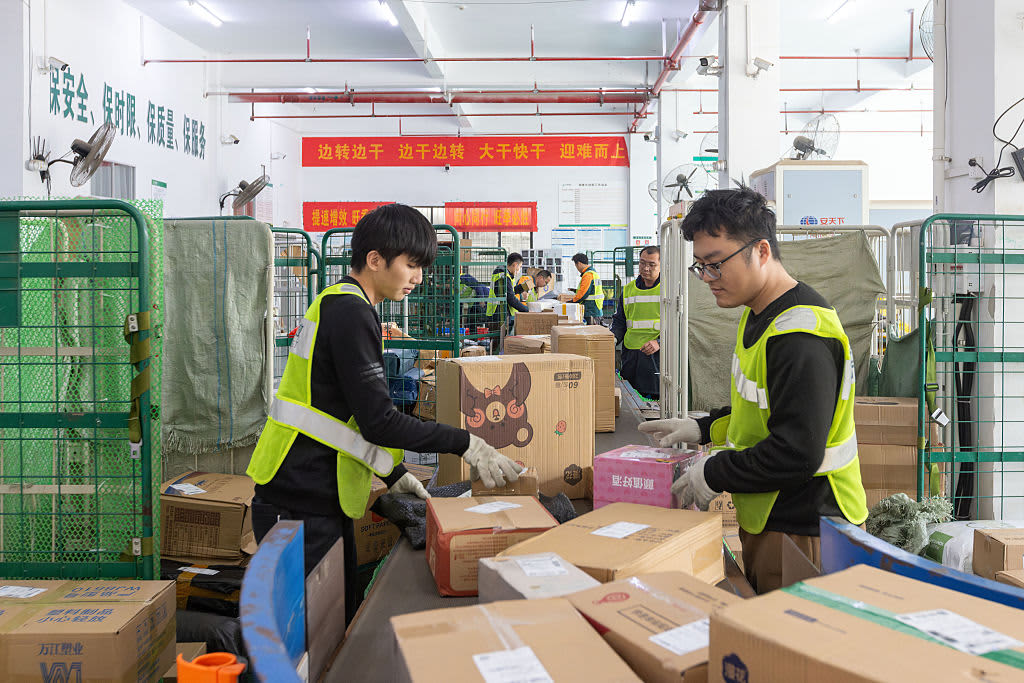
The economic stakes are particularly high for the American agricultural heartland and the Chinese industrial belt. In the United States, the delay in a definitive agreement means continued reliance on federal subsidies to offset the loss of the Chinese market for soybeans, pork, and sorghum. In 2018 and 2019, the U.S. Department of Agriculture was forced to commit billions of dollars in trade aid to farmers caught in the crossfire. Conversely, Chinese exporters are grappling with the reality of a 25% tariff on approximately $250 billion worth of goods, which has accelerated the migration of low-cost manufacturing to Southeast Asian neighbors like Vietnam and Thailand. This "decoupling," once a theoretical geopolitical concept, is becoming a tangible economic reality as firms seek to "de-risk" their operations from the volatility of U.S.-China relations.
Expert insights into the negotiation process suggest that the sticking points remain stubbornly consistent. Washington continues to demand "structural changes" to the Chinese economic model, specifically regarding the state-led subsidies provided to "Made in China 2025" industries such as robotics, aerospace, and green energy. The U.S. Trade Representative (USTR) has repeatedly argued that without a verifiable enforcement mechanism—one that allows for the unilateral re-imposition of tariffs if China fails to meet its obligations—any deal would be insufficient. Beijing, however, views such mechanisms as an infringement on its national sovereignty and a return to the "unequal treaties" of the 19th century. This ideological divide makes the scheduling of a summit more than just a calendar entry; it is a signal that both sides have finally found a middle ground on these fundamental disputes.
Beyond the bilateral friction, the delay of a U.S.-China summit has profound implications for the World Trade Organization (WTO) and the broader multilateral trading system. As the world’s two largest economies bypass traditional dispute resolution channels in favor of direct, bilateral pressure, the relevance of the WTO continues to diminish. Middle powers, particularly those in the European Union and the G20, find themselves in an increasingly precarious position. They are forced to navigate a world where trade rules are dictated by the gravitational pull of Washington and Beijing rather than a rules-based international order. This shift has led to a surge in protectionist sentiment globally, as other nations adopt similar "national security" justifications for their own trade barriers.
In the technology sector, the fallout of a delayed diplomatic reboot is even more pronounced. The "entity list" and various export controls targeting Chinese telecommunications giants have created a bifurcated global tech ecosystem. For American semiconductor manufacturers, the lack of a diplomatic breakthrough means continued revenue loss from one of their largest customer bases. For Chinese firms, it has spurred a massive, state-funded drive for "indigenous innovation" to achieve self-sufficiency in high-end chips. This technological arms race, fueled by trade hostilities, suggests that even if a summit eventually occurs and a deal is signed, the underlying competition for 21st-century dominance will persist long after the current tariffs are adjusted.
Economic impact analysis also points to the secondary effects on currency markets. The valuation of the Chinese Yuan (RMB) has become a proxy for the health of the trade talks. Whenever a summit delay is hinted at, the Yuan often faces downward pressure, testing the psychologically significant 7-to-1 ratio against the U.S. Dollar. While a weaker Yuan helps offset the impact of U.S. tariffs on Chinese exports, it risks triggering capital flight from China and drawing accusations of currency manipulation from the U.S. Treasury. This creates a feedback loop where trade tensions lead to currency volatility, which in turn fuels further trade tensions.
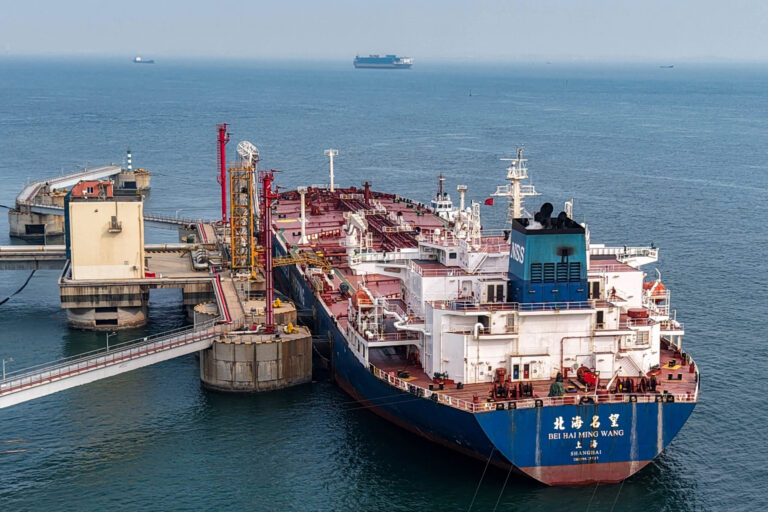
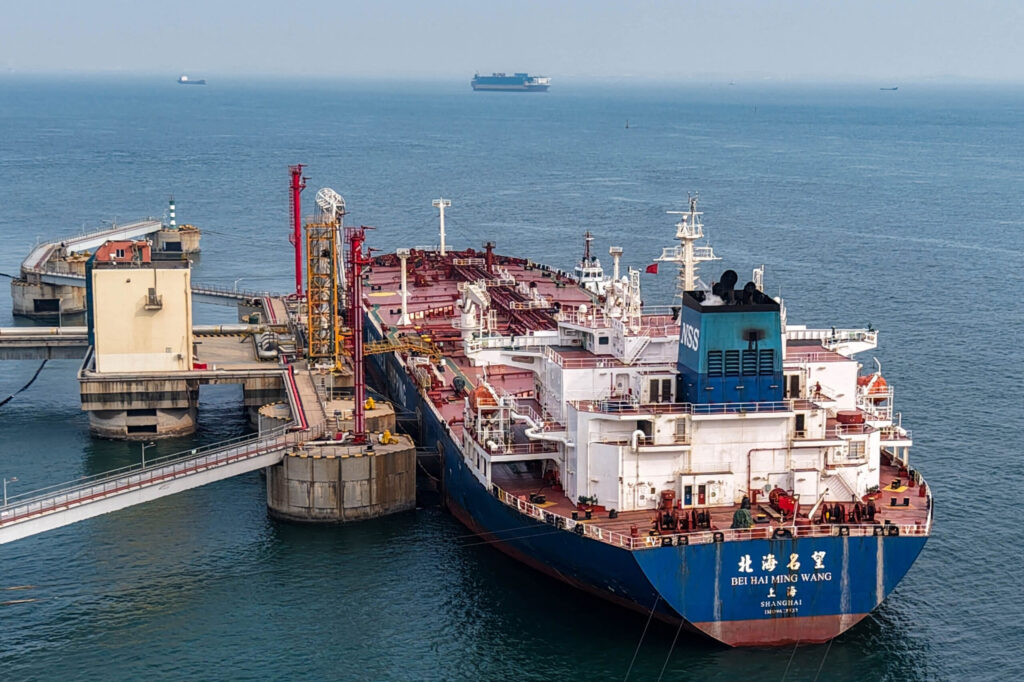
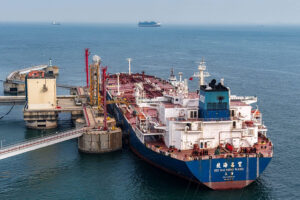
The global supply chain, once optimized for efficiency and "just-in-time" delivery, is being reconfigured for resilience and "just-in-case" redundancy. Shipping data indicates a shift in Pacific trade routes, with increased volumes moving through West Coast ports from non-Chinese origins. However, the sheer scale of the Chinese manufacturing base means that a full exit is impossible for most industries. Consequently, the delay in a presidential summit leaves thousands of businesses in a state of "strategic limbo," unable to commit to either China or its competitors until the long-term tariff trajectory is clarified.
As the political clock ticks toward the next election cycle in the United States, the window for a meaningful "reboot" may be narrowing. Domestic political considerations often outweigh international economic concerns during campaign seasons. For President Trump, a deal must be perceived as a "total victory" to satisfy his base, while for President Xi, any agreement must not look like a capitulation to Western pressure. These domestic imperatives make the "art of the deal" significantly more complicated than a standard commercial negotiation.
In summary, the potential postponement of the Trump-Xi summit is a microcosm of the broader volatility defining the current era of globalization. It is a high-stakes game of chicken where the participants are not just two world leaders, but the entire global economy. While the immediate focus remains on the "when" and "where" of the meeting, the "what" remains the more daunting question. Until the structural imbalances between the world’s two largest economies are addressed—or at least managed through a stable diplomatic framework—the global market must prepare for a continued cycle of brinkmanship, where delays are as much a part of the strategy as the eventual agreements themselves. The road to a trade truce is rarely linear, and the current detour is a stark reminder that in the realm of international economics, silence and delays can be just as impactful as the loudest proclamations.