

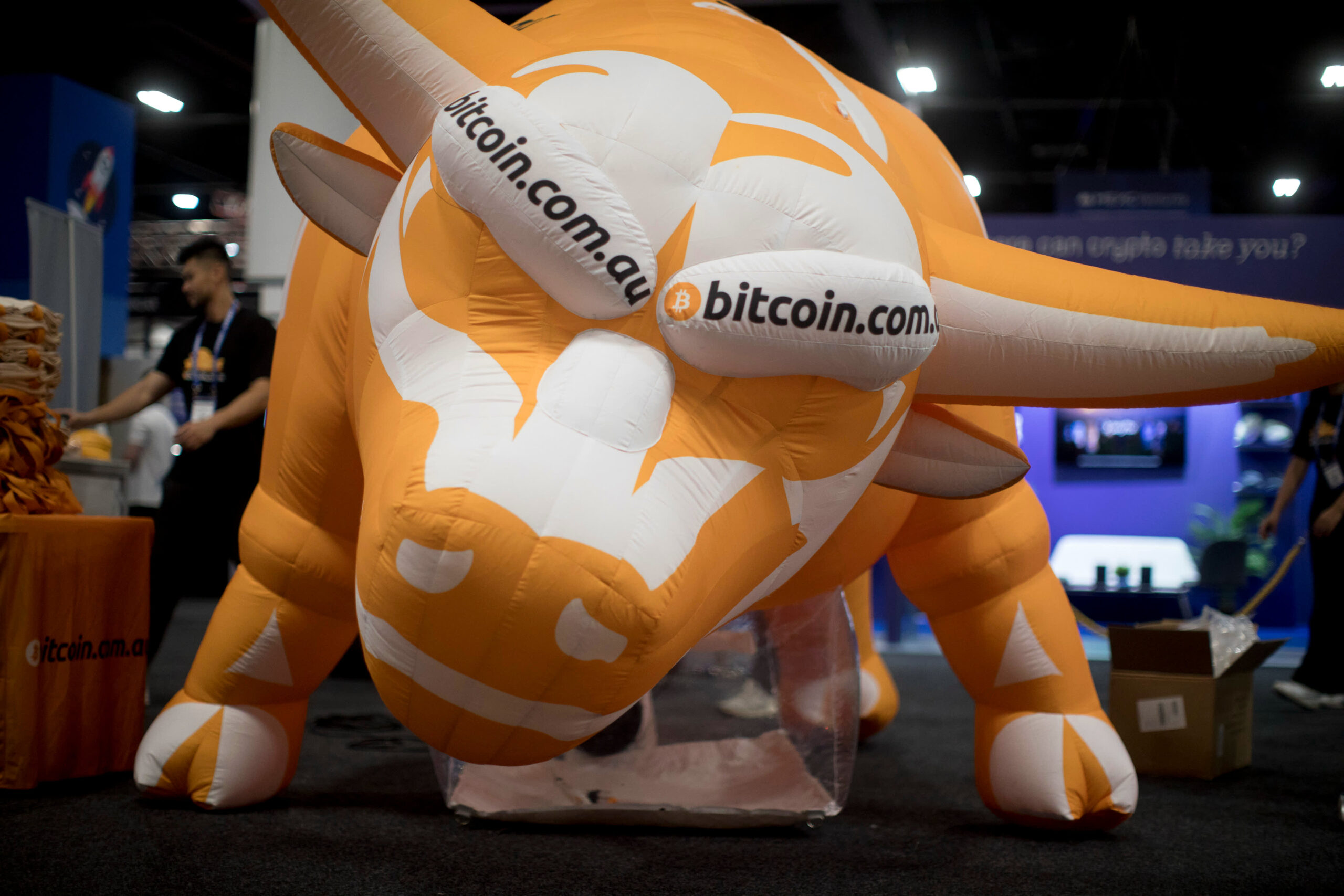
The global financial landscape has undergone a significant stress test following the outbreak of hostilities involving Iran on February 28, revealing an unexpected divergence in asset performance. While traditional safe havens and benchmark equity indices have faltered under the weight of geopolitical uncertainty, Bitcoin has emerged as a surprising frontrunner. Since the commencement of the conflict, the world’s largest cryptocurrency has not only stabilized but has actively outperformed the S&P 500, the Nasdaq Composite, and even gold—the asset historically synonymous with wartime preservation of capital.
Market data reveals that Bitcoin has surged approximately 8% since the onset of the Iran conflict. This rally was punctuated by a particularly robust 24-hour window where the digital asset gained 5%, signaling a sharp reversal from the bearish sentiment that had plagued the crypto sector earlier in the quarter. In stark contrast, the S&P 500 and gold have both retreated by more than 3% during the same period, while the tech-heavy Nasdaq Composite has shed over 2%. This decoupling suggests a shifting paradigm in how institutional and retail investors perceive "risk" in an era of decentralized finance and borderless capital.
The narrative of Bitcoin as a diversification tool is gaining renewed traction among institutional strategists. Simeon Hyman, a global investment strategist at ProShares, recently highlighted this trend, noting that the ability of Bitcoin to appreciate while equities decline underscores its unique role in a modern portfolio. ProShares, a major player in the cryptocurrency exchange-traded fund (ETF) space, has been at the forefront of this institutional migration. The firm recently expanded its suite of offerings with the launch of the ProShares CoinDesk 20 Crypto ETF (KRYP). While the fund has experienced a 7% decline since its debut in early February, it has mirrored Bitcoin’s recent resilience, climbing nearly 5% since the geopolitical tensions escalated in late February.
The divergence between Bitcoin and gold is perhaps the most striking development for economic analysts. Historically, gold is the primary beneficiary of "flight-to-safety" flows when regional conflicts threaten global stability. However, the recent 3% dip in bullion prices suggests that the traditional correlation between war and gold appreciation may be fraying. Analysts suggest that high interest rates and a strengthening U.S. dollar may be exerting downward pressure on gold, while Bitcoin—often referred to as "Digital Gold"—is being utilized by some as a more liquid, portable hedge against fiat currency volatility and regional banking instability.
Despite this recent outperformance, the broader context of the cryptocurrency market remains one of recovery rather than unbridled exuberance. Bitcoin is currently trading roughly 40% below its record high of $126,198, a milestone reached last October. This significant drawdown serves as a reminder of the extreme volatility inherent in the asset class. For many seasoned investors, the current price action is less about a new bull run and more about the "bottoming out" phase of a long-term cycle.
Kim Arthur, founding partner and CEO of Main Management, characterizes the current environment as a classic "crypto winter." This phenomenon, which historically occurs in four-year cycles often tied to the Bitcoin halving events, involves deep price corrections followed by extended periods of consolidation. Arthur points out that Bitcoin had already surrendered more than 50% of its value from its peak before the Iran conflict began. From an asset allocation perspective, he suggests that while the recent outperformance is noteworthy, investors must "widen the lens" to understand the asset’s long-term trajectory.

The difficulty of consistently outperforming Bitcoin as a benchmark cannot be overstated. Since 2021, the digital currency has proven to be an "extremely difficult master to beat," according to Arthur. Even with the massive drawdowns seen over the past year, Bitcoin’s five-year return stands at approximately 15%. While this figure is modest compared to the triple-digit gains seen in previous epochs, it reflects a maturing market that is increasingly integrated with global macroeconomic trends.
The role of regulated investment vehicles has been instrumental in this maturation. The proliferation of crypto-linked ETFs has provided a bridge for institutional capital that was previously sidelined by custodial concerns and regulatory ambiguity. These products allow portfolio managers to gain exposure to the price movements of digital assets without the complexities of managing private keys or navigating unregulated exchanges. The ProShares CoinDesk 20 Crypto ETF, for instance, provides exposure to a diversified basket of the top 20 cryptocurrencies, offering a broader market capture than Bitcoin alone.
However, the "diversification story" cited by strategists like Hyman is not without its critics. Opponents of the digital gold narrative argue that Bitcoin remains a high-beta risk asset that typically moves in tandem with tech stocks. They point to the 2022 market crash as evidence that when liquidity dries up, Bitcoin is often the first asset to be sold to cover margins elsewhere. Yet, the current conflict-driven market cycle is providing a counter-argument. If Bitcoin continues to rise while the Nasdaq falls, it validates the theory that Bitcoin can act as an uncorrelated asset during specific types of systemic shocks.
From a global economic impact perspective, the performance of Bitcoin during the Iran war highlights the increasing relevance of borderless financial systems. In regions affected by conflict or economic sanctions, decentralized assets offer a level of censorship resistance and mobility that traditional banking systems cannot match. This utility often translates into localized demand spikes that can ripple through global spot prices. Furthermore, as central banks grapple with persistent inflation and the potential for energy price shocks resulting from Middle Eastern instability, the fixed-supply nature of Bitcoin becomes an attractive thematic play for those wary of further currency debasement.
The "bottoming stage" described by market participants suggests that the aggressive deleveraging of the past few months may have exhausted the selling pressure. When an asset stops reacting negatively to bad news—such as the outbreak of a regional war—it is often interpreted by technical analysts as a sign of a price floor. For asset allocators like Kim Arthur, this necessitates a passive but watchful approach. By treating Bitcoin as a benchmark for the broader digital asset space, managers can better assess the relative value of altcoins and blockchain-related equities.
As the conflict continues to influence global trade routes and energy markets, the resilience of the S&P 500 and the Nasdaq will likely be tied to corporate earnings and Federal Reserve policy. Gold will remain a staple of conservative portfolios, seeking to regain its footing as a hedge against a potential broadening of the war. However, the first weeks of this crisis have firmly established Bitcoin as a legitimate contender in the safe-haven debate.
In summary, the period following February 28 has served as a pivotal case study in modern asset behavior. Bitcoin’s 8% gain in the face of a 3% decline in both the S&P 500 and gold challenges long-held assumptions about market correlations during geopolitical crises. While the "crypto winter" may not be fully over, and the path to reclaiming the $126,198 peak remains long, the digital asset’s ability to serve as a diversifier in a time of war has provided it with a new layer of institutional credibility. Whether this trend persists will depend on the duration of the conflict and the broader trajectory of the global economy, but for now, the digital currency has proven its mettle when traditional markets could not.