

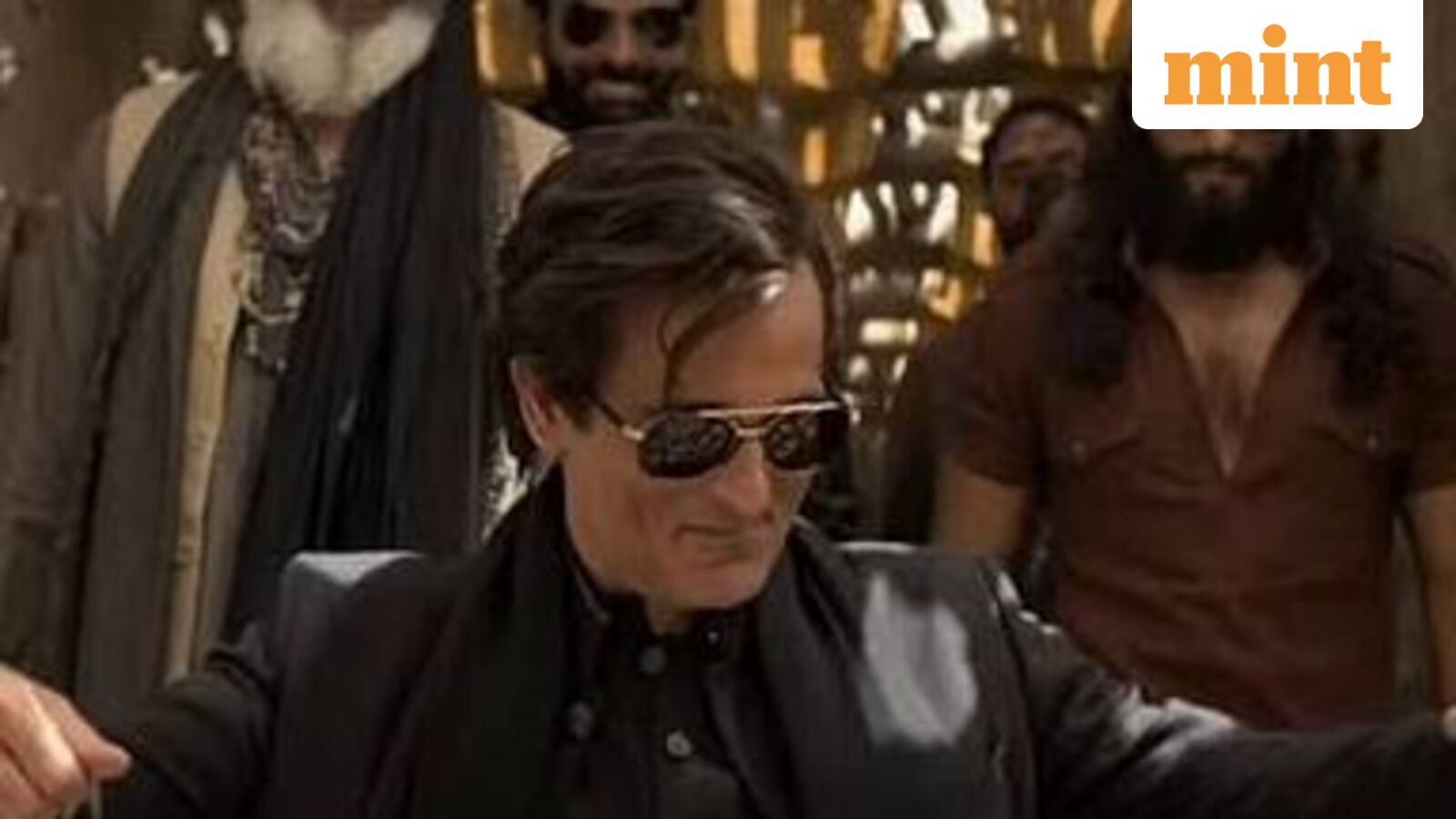
The recent announcement of Bahraini rapper Flipperachi’s impending concert tour across India, following the immense popularity of his track "FA9LA" featured in Aditya Dhar’s film Dhurandhar, vividly illustrates a powerful and increasingly strategic phenomenon: Bollywood’s unparalleled capacity to act as a cultural and commercial accelerator for international musical talent within the Indian subcontinent. This integration into the nation’s dominant film industry offers a fast-track entry point into one of the world’s most dynamic and rapidly expanding entertainment markets, transforming nascent recognition into mainstream ubiquity.
This synergy between global music and Indian cinema is not a nascent trend but a well-established pathway, evolving significantly over the past two decades. Iconic examples abound, underscoring the consistent efficacy of this model. Akon, already a globally recognized artist, experienced an exponential surge in his Indian fan base and mainstream recall through his association with the Shah Rukh Khan-starrer Ra.One, particularly with the chart-topping "Chammak Challo." Similarly, pop sensation Kylie Minogue’s appearance in the film Blue and hip-hop legend Snoop Dogg’s distinctive collaboration in Singh Is Kinng propelled their familiarity far beyond typical international music consumption circles, embedding them within the collective consciousness of Indian households. These instances demonstrate that for international acts, a strategic placement within a high-profile Bollywood production can dramatically shorten the discovery curve, circumventing the protracted process of organic streaming growth and direct marketing campaigns.
The sheer scale and reach of Hindi cinema across India provide an unmatched distribution channel. With an estimated annual theatrical footfall exceeding 1.2 billion pre-pandemic, coupled with extensive television broadcast networks and a burgeoning streaming ecosystem boasting over 500 million OTT subscribers, a single film song can effortlessly garner hundreds of millions of views and streams within weeks. This pervasive media presence ensures that global sounds, when framed within a familiar narrative, resonate deeply with digitally-oriented millennials and Gen Z, making international artists feel accessible rather than foreign. As industry experts frequently note, Bollywood provides "contextual distribution," where music is intrinsically tied to beloved stars, compelling storylines, and mass media consumption habits. This creates an emotional recall and cultural familiarity that no standalone global release could hope to replicate in a market as diverse and culturally rich as India.
For international artists and their management, Bollywood exposure serves as the crucial "top of the funnel" for a broader, long-term India market entry strategy. Music licensing platform Hoopr’s Chief Marketing Officer, Vitasta Kaul, highlights that such integrations frequently lead to India-focused touring interest, coveted festival bookings, local label collaborations, and lucrative brand endorsement opportunities. The pattern is robust: narrative placement in mainstream Indian media dramatically accelerates awareness, even for niche global genres, and lays a formidable groundwork for structured market penetration, provided it is meticulously followed by a sustained local strategy. This strategic follow-up often includes releasing India-specific edits or remixes of tracks, collaborating with prominent Indian artists, actively participating in the vibrant college festival circuit, booking multi-city tours across both Tier-1 and emerging Tier-2 cities, leveraging influencer-driven short-form content platforms, and forging partnerships with Indian brands that seek to connect with a globally aware youth demographic. Event companies, such as Fever Originals, typically test demand through festival slots before committing to larger solo tours, ensuring a data-driven approach to scaling live entertainment.

The economic implications of this cultural bridge are significant. India’s music industry is experiencing robust growth, projected to exceed $1.5 billion by 2026, driven by rising disposable incomes, increasing smartphone penetration, and affordable internet data. While streaming revenues form a substantial part, live entertainment, merchandise sales, and brand associations contribute significantly to the overall ecosystem. For international artists, tapping into this market offers diversification of revenue streams and access to a young, engaged, and increasingly globalized audience base. This makes India a distinct proposition compared to other emerging markets. While China and parts of Latin America also offer large audiences, India’s cultural landscape, particularly the omnipresence of Bollywood, provides a unique, pre-built framework for artist discovery and assimilation, making the path to mainstream acceptance potentially quicker and more impactful than relying solely on digital algorithms.
However, converting initial Bollywood-fueled buzz into sustained, long-term engagement presents a distinct set of challenges. Gautam Madhavan, CEO and Founder of Xley by Mad Influence, an influencer marketing agency, emphasizes that while a Bollywood association can effectively kickstart initial tours, repeat tours and enduring interest hinge on a continuous stream of fresh releases and authentic collaborations with Indian artists. The "novelty factor" of international acts has diminished as India now hosts more global artists than ever before. Pricing sensitivity, particularly beyond Tier-1 metropolitan areas, remains a crucial consideration. Artists must navigate intense competition from established Indian stars, complex permit requirements, regional promotion nuances, and intricate cost structures when planning long-term touring strategies.
VG Jairam, founder of Hyperlink Brand Solutions, an experiential marketing agency, articulates this challenge succinctly: "If the artist is known for just one Bollywood-linked hit, sustaining ticket sales for repeat tours becomes difficult. If they don’t engage meaningfully with Indian audiences via collaborations, Hindi shoutouts, local influences, they struggle beyond the initial hype." This underscores the necessity for international artists to transition from being a transient pop culture moment to becoming an integral part of India’s "emotional memory," not just its "Spotify playlist." Success in India, Jairam contends, stems from cultural relevance, which often transcends global fame alone. It demands an understanding of local sensibilities, a willingness to adapt, and a genuine effort to connect with the audience on a deeper, more personal level.
Looking ahead, India’s burgeoning youth demographic, coupled with its increasing digital connectivity and growing appetite for diverse entertainment, solidifies its position as a strategic touring destination rather than merely a test market. The evolving landscape of Indian entertainment, with the rise of regional cinema and web series, may also offer new avenues for international artists to integrate their music beyond mainstream Hindi films. As artists and promoters continue to innovate, the symbiotic relationship between global music and Indian cinema is poised to deepen. Those international acts who successfully leverage Bollywood’s immense platform, follow through with localized engagement strategies, and genuinely connect with the Indian audience will unlock unparalleled opportunities for sustained growth and cultural impact in this vibrant and ever-expanding market.