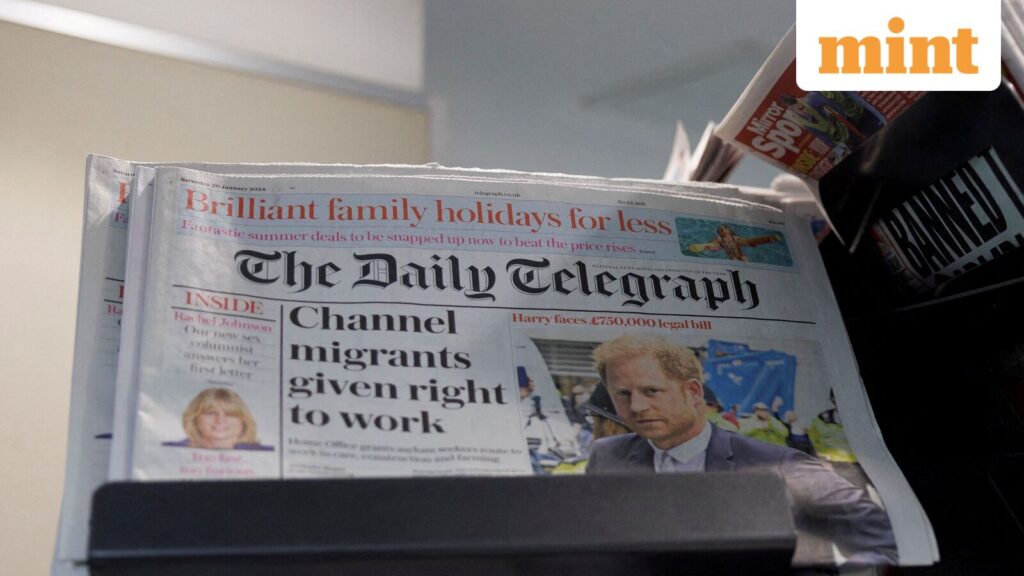

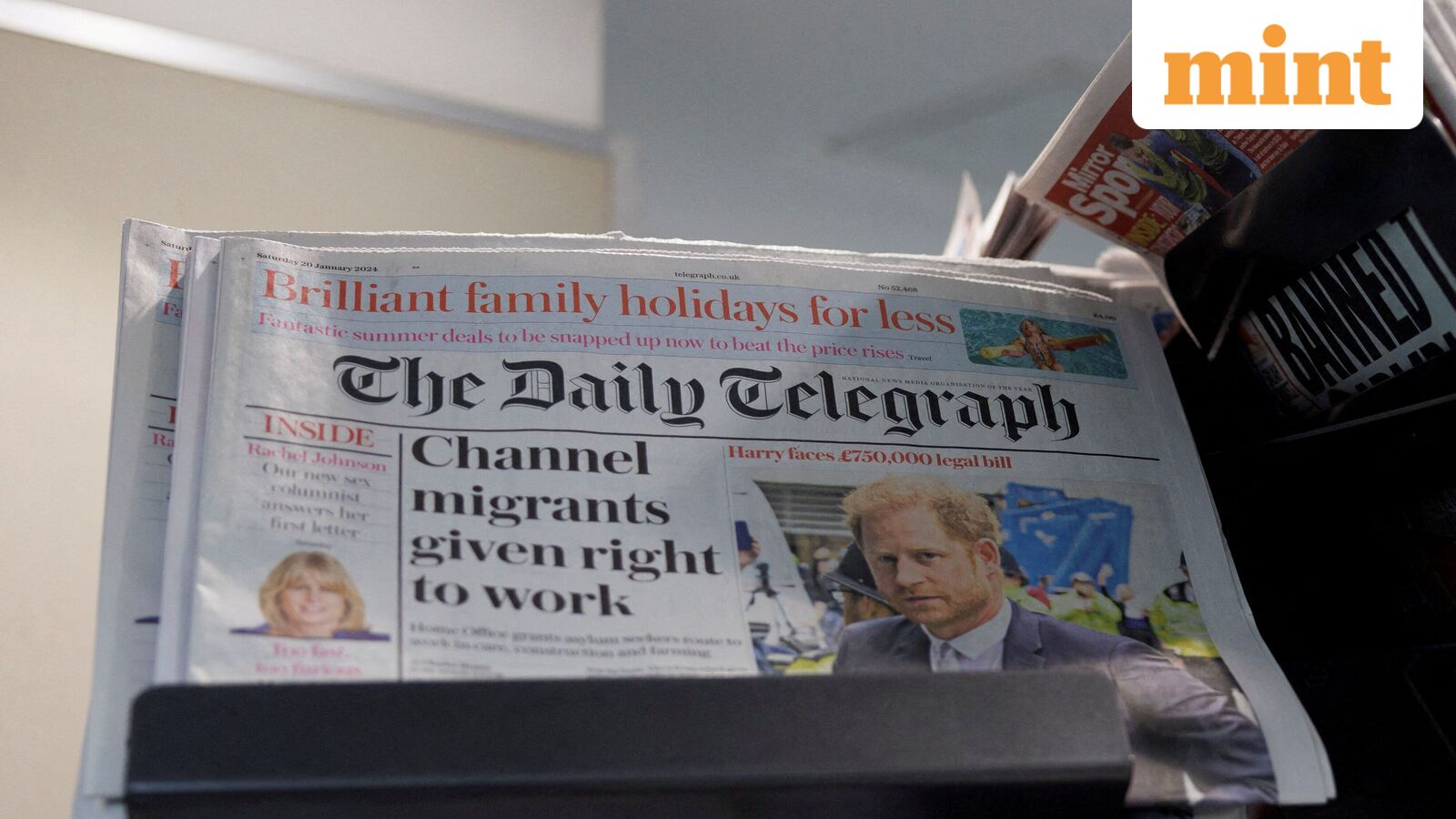
The German media behemoth Axel Springer has successfully concluded a protracted ownership saga, announcing its agreement to acquire the venerable Telegraph Media Group (TMG), publisher of the 171-year-old Daily Telegraph and its Sunday counterpart, for a reported £575 million ($766 million). This significant cross-border transaction not only marks a pivotal moment for one of Britain’s most influential conservative newspapers but also underscores Axel Springer’s ambitious strategy to forge a dominant English-language media presence, particularly targeting expansion into the lucrative U.S. market. The deal, finalized on Friday, signals a new chapter for TMG and a bold statement from Axel Springer CEO Mathias Döpfner, who described the acquisition as a "dream come true" after a previous unsuccessful attempt over two decades ago.
For Axel Springer, a company with a robust portfolio that includes Germany’s mass-market Bild and the more serious Welt newspapers, alongside the influential political news organization Politico, the acquisition of TMG represents a strategic alignment and an opportunity for synergy. The stated objective is to transform TMG into "the leading center-right media outlet in the English-speaking world," leveraging the Telegraph‘s established brand, affluent readership, and digital subscriber base. This move reflects a broader trend in the global media industry where traditional publishers, grappling with declining print revenues, are increasingly seeking scale and digital innovation through mergers and acquisitions. Axel Springer’s track record of digital transformation, particularly with Bild and Welt, suggests a clear roadmap for integrating TMG into its ecosystem and accelerating its digital growth trajectory.
The Daily Telegraph, often considered a bastion of conservative thought in Britain, boasts a loyal readership demographic that aligns well with Axel Springer’s stated aim. While specific recent circulation figures for the Telegraph vary, industry estimates suggest a robust digital subscription model, with hundreds of thousands of paying online readers contributing significantly to its revenue streams, even as print circulation has naturally contracted. This digital resilience, coupled with its influential political voice, makes TMG an attractive asset in a market where quality journalism and subscriber loyalty are increasingly prized. Analysts estimate that TMG’s annual revenues hover around £250-300 million, with a healthy profit margin, making the £575 million valuation a substantial, though not unprecedented, multiple for a premium news brand.
The path to this acquisition was anything but straightforward, marked by years of financial uncertainty and a high-stakes bidding war. TMG had been under the ownership of the Barclay family since 2004, but their broader business empire faced significant financial pressures, leading to the newspapers being put up for sale in 2023 to help service substantial debts. This triggered a highly competitive auction, drawing interest from various domestic and international players. Notably, the owner of the Daily Mail, a long-standing rival, mounted a strong counter-bid, underscoring the perceived value and strategic importance of the Telegraph titles within the UK media landscape.
However, the most contentious episode in the sale process involved a bid from RedBird IMI, a consortium backed by RedBird Capital Partners and Sheikh Mansour bin Zayed Al Nahyan, a prominent member of Abu Dhabi’s royal family and Vice President of the United Arab Emirates. This offer, which initially seemed poised for success, faced intense scrutiny and strong opposition from the UK government. Concerns were primarily centered around potential foreign state influence over a significant British media outlet, touching upon issues of national security, editorial independence, and media plurality. The government launched a legislative initiative specifically designed to block foreign state ownership of British newspapers, effectively scuttling the RedBird IMI bid in early 2024. This intervention highlights the geopolitical sensitivities now embedded within major media acquisitions, particularly those involving influential news organizations.

The political intervention in the RedBird IMI bid created a vacuum that Axel Springer was strategically positioned to fill. The German group, being a private entity from a close European ally, did not face the same level of governmental scrutiny regarding state influence. This facilitated a smoother regulatory path, ultimately paving the way for their successful acquisition. It’s also worth noting that the right-leaning news magazine The Spectator, previously a part of the Telegraph group, was sold separately in 2024 to British hedge fund investor Paul Marshall, further simplifying the TMG asset package for prospective buyers.
The economic implications of this acquisition extend beyond the immediate financial transaction. For the UK media sector, the entry of a major European player like Axel Springer could inject new capital and strategic direction into a segment facing significant digital disruption. It may also intensify competition, particularly in the digital subscription space, pushing other publishers to innovate further. From an employment perspective, Axel Springer’s stated intent to "turbocharge" expansion and invest in the group suggests potential for job creation or at least stability within TMG, rather than immediate cost-cutting measures often associated with such deals. However, integration processes invariably bring changes, and the long-term impact on the editorial structure and workforce will be closely watched.
Globally, this deal reflects the continuing trend of media consolidation and the search for scale in an increasingly fragmented digital landscape. Axel Springer’s ambition to create a "leading center-right media outlet in the English-speaking world" mirrors similar cross-border strategies observed in other sectors. For instance, the acquisition of the Washington Post by Jeff Bezos, while a different ownership model, similarly demonstrated the potential for significant investment to revitalize a legacy brand for the digital age. The focus on the U.S. market, specifically, indicates Axel Springer’s recognition of its immense size and the potential to capture a segment of its ideologically diverse news consumption. This is a market where digital subscriptions for premium news outlets have shown robust growth, with a significant portion of the population willing to pay for quality journalism, especially when it aligns with their political perspectives.
Industry analysts suggest that the £575 million valuation, while substantial, reflects the strategic value of a well-established brand with a strong digital presence and a clear editorial niche. "In an era where attention is currency and trust is paramount, premium news brands like the Telegraph command a premium," stated a media economics professor at a leading European business school. "Axel Springer is not just buying assets; they’re acquiring a legacy, a brand identity, and a loyal subscriber base that can be leveraged for international expansion." The challenges, however, will include maintaining the Telegraph‘s distinct British voice while integrating it into a broader, more globally-oriented strategy, and navigating the nuances of different regulatory and cultural landscapes, particularly in the U.S.
Looking ahead, Axel Springer’s ownership promises significant investment in technology, content, and talent at TMG. The synergy with Politico, already a successful Axel Springer property, could offer opportunities for cross-promotion and shared journalistic resources, particularly in covering transatlantic politics and policy. The "turbocharging" of U.S. expansion could involve dedicated digital products, strategic partnerships, or increased investment in American-focused content within the Telegraph ecosystem. This acquisition is not merely a financial transaction but a strategic realignment poised to influence the trajectory of both the Daily Telegraph and Axel Springer’s global footprint, potentially reshaping the landscape of English-language conservative media for years to come.