
The traditional American mortgage process, long criticized for its glacial pace and bureaucratic complexity, is facing a technological reckoning that could fundamentally alter the economics of homeownership. Better, the digital-first mortgage platform, has unveiled a strategic partnership with OpenAI to integrate advanced artificial intelligence directly into the loan origination workflow. The centerpiece of this collaboration is a new application within ChatGPT designed to compress the underwriting timeline—a process that historically takes weeks—into a mere 47 seconds. This development marks a significant escalation in the technological arms race currently sweeping through the trillion-dollar residential lending market, signaling a shift from human-centric processing to autonomous AI agents.
The implications for the financial services sector are profound. By leveraging OpenAI’s sophisticated language models and large-scale data processing capabilities, Better aims to automate the intricate "logic tree" required to verify a borrower’s creditworthiness. In a typical mortgage transaction, a lender must navigate a labyrinth of checkpoints, including income verification, debt-to-income ratios, title reports, property appraisals, and credit history. Historically, these tasks were handled by human underwriters working in sequence, a method that is both prone to error and expensive. The new AI-driven engine operates via parallel workflows, processing these disparate data streams simultaneously to reach a credit decision in under a minute.
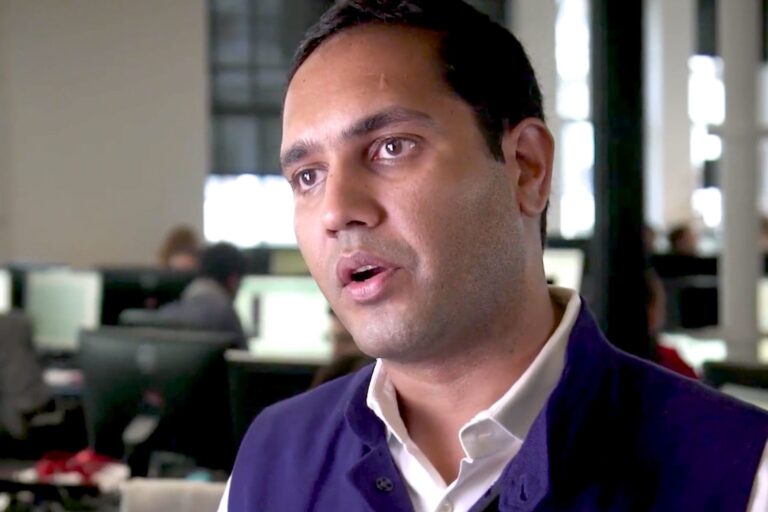
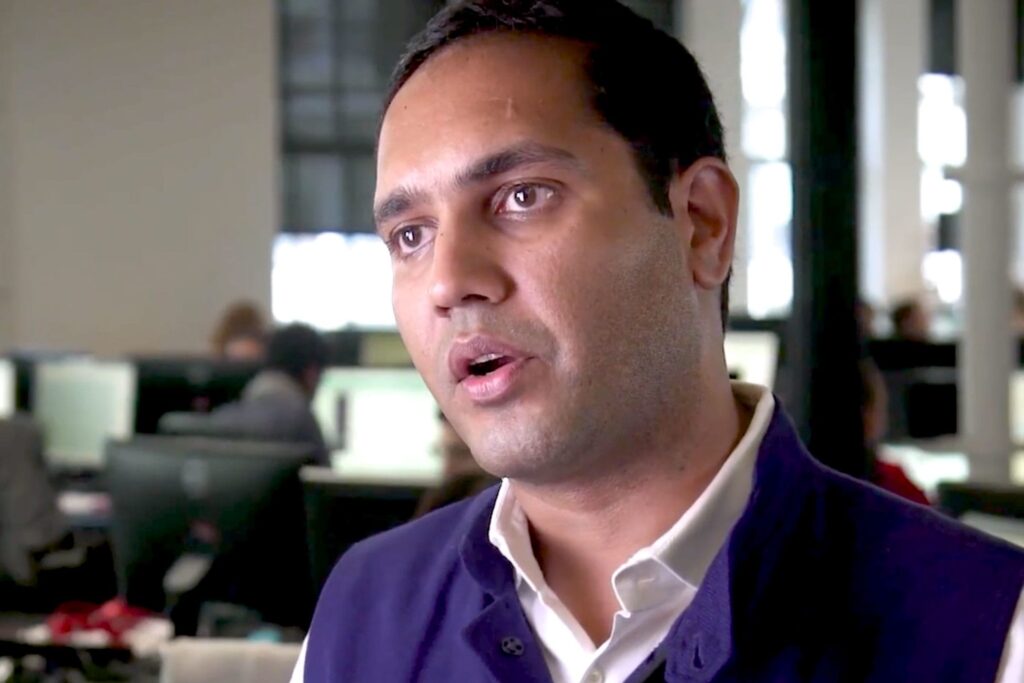
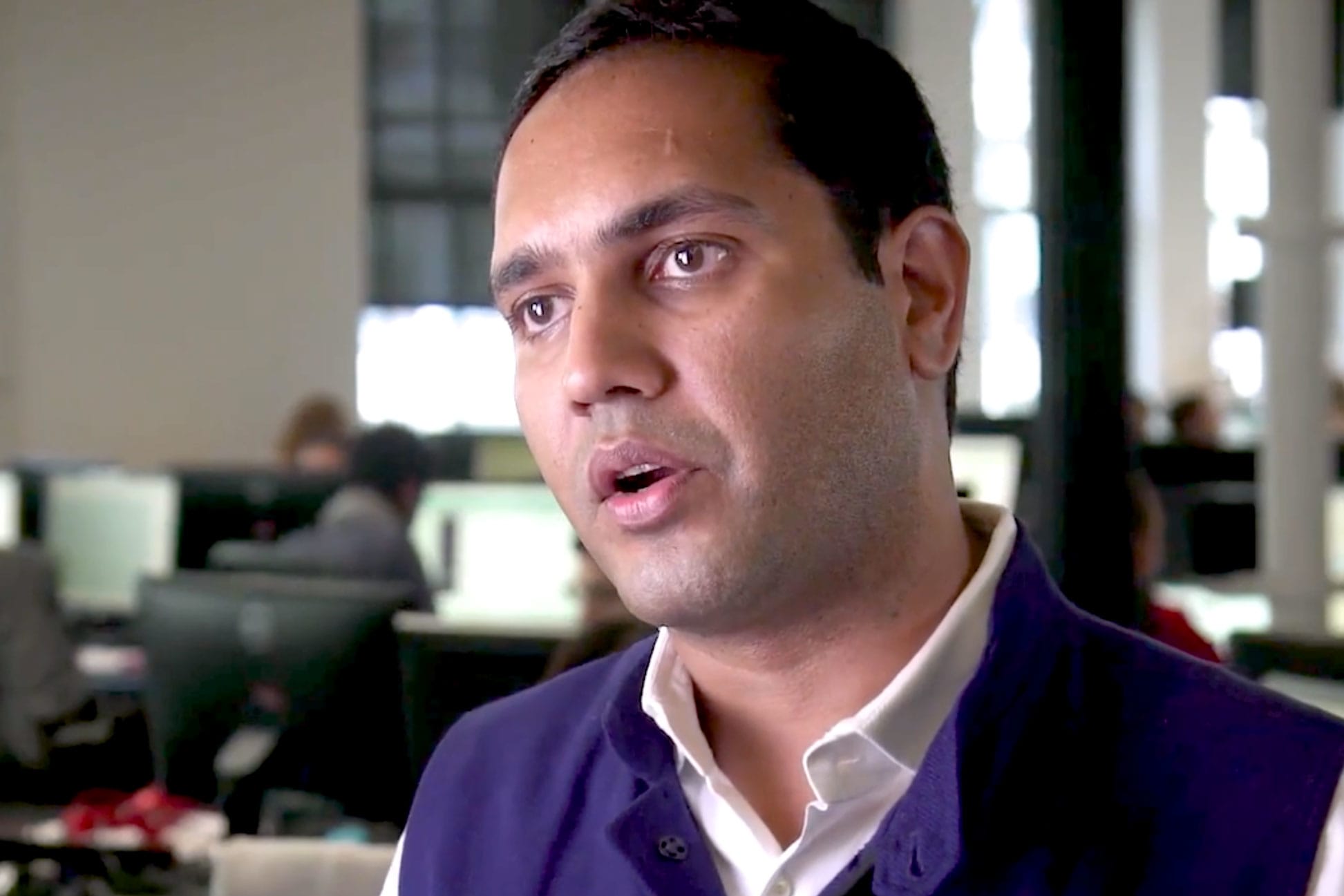
This move represents more than just a software update; it is a pivot in Better’s core business model. Under the leadership of CEO Vishal Garg, the company is transitioning from a consumer-facing lender to a "mortgage-as-a-service" provider. By offering its AI underwriting engine to other banks, mortgage brokers, and fintech firms, Better is positioning itself as the underlying infrastructure for the entire industry. This platform-based approach mirrors the "Software as a Service" (SaaS) models that have revolutionized sectors like retail and cloud computing, potentially turning Better into the operating system upon which other lenders build their businesses.
The market reaction to the announcement was immediate and telling. While Better’s stock saw a notable surge of approximately 5%, the share prices of industry titans such as Rocket Mortgage and United Wholesale Mortgage (UWM) faced downward pressure, falling 6% and 4% respectively. This divergence reflects investor anxiety over the potential disruption of the established order. For years, the non-bank mortgage sector has been dominated by firms that scaled through aggressive marketing and massive operational footprints. If AI can eliminate the need for thousands of manual processing hours, the competitive advantage held by these legacy giants—often rooted in their sheer size and labor force—could evaporate overnight.
To understand the scale of this disruption, one must look at the broader economic context of the U.S. mortgage market. Since the 2008 financial crisis, traditional retail banks like JPMorgan Chase and Citigroup have significantly scaled back their mortgage operations due to increased regulatory scrutiny and capital requirements. This vacuum was filled by non-bank lenders, which now account for the majority of residential mortgage originations in the United States. However, these firms still operate on margins that Garg describes as an "underwriting tax" on the American public. According to industry estimates, the combined fees and overhead associated with mortgage origination cost consumers roughly $20 billion annually. By reducing the time and labor required to process a loan, AI technology could theoretically return a significant portion of that capital to homeowners in the form of lower fees and more competitive interest rates.
Technologically, the partnership with OpenAI utilizes a "large context window" and complex tool-calling capabilities that go far beyond the simple conversational queries most users associate with ChatGPT. The system is designed to ingest massive amounts of unstructured data—such as bank statements and tax returns—and apply the rigorous standards of the secondary mortgage market, including the guidelines set by Fannie Mae and Freddie Mac. Giancarlo Lionetti, OpenAI’s Chief Commercial Officer, highlighted that the goal is to make financing a home "cheaper, faster, and easier," framing the partnership as a revolution in the "plumbing" of American finance.

The economic impact of 47-second underwriting extends beyond individual convenience. In a high-interest-rate environment, where every basis point matters, the ability to lock in a rate and receive a firm commitment almost instantly provides a significant advantage to buyers in competitive real estate markets. Furthermore, the efficiency gains could help address the ongoing housing affordability crisis. If lenders can operate with significantly lower overhead, they can afford to serve a wider range of borrowers, including those in underserved communities who are often marginalized by the high costs of traditional manual underwriting.
However, the rapid adoption of AI in lending is not without its critics or risks. Financial regulators, including the Consumer Financial Protection Bureau (CFPB), have expressed growing concern over "black box" algorithms that could inadvertently perpetuate systemic bias. If an AI model is trained on historical data that reflects past discriminatory lending practices, there is a risk that the technology could automate and accelerate those biases. Ensuring "explainability"—the ability for a lender to clearly state why a loan was denied—remains a significant hurdle for fully autonomous underwriting systems. Better and OpenAI will likely face intense scrutiny to prove that their models are not only fast but also fair and compliant with the Fair Housing Act and the Equal Credit Opportunity Act.
From a global perspective, the United States remains an outlier in its reliance on a fragmented and highly manual mortgage system. In many European and Asian markets, digital identity systems and centralized credit databases allow for much faster loan approvals. The integration of OpenAI’s technology represents an attempt by the U.S. fintech sector to leapfrog existing international standards. By using generative AI to bridge the gap between disparate data sources, the U.S. may finally move toward a "one-click" mortgage reality that has long been the holy grail of financial technology.
The competitive landscape is now poised for a period of intense consolidation. As Better offers its technology to smaller banks and independent brokers, these smaller players may gain the tools necessary to compete with the likes of Rocket and UWM on speed and price. This democratization of high-end underwriting technology could lead to a more fragmented market where local expertise is paired with global-class AI efficiency. For the established giants, the challenge will be to adapt their legacy systems to match this new benchmark or risk becoming the "Blockbuster Video" of the lending world.
Looking forward, the success of this initiative will depend on its reliability during periods of market volatility. Mortgage underwriting is not just about speed; it is about risk management. The 2008 crisis served as a stark reminder of what happens when credit standards are compromised for the sake of volume. While Better and OpenAI emphasize that their technology maintains rigorous standards, the true test will come during the next economic downturn. If the AI-driven models can accurately predict defaults and manage risk more effectively than human underwriters, the shift toward autonomous finance will be irreversible.
Ultimately, the partnership between Better and OpenAI signals the end of the "manual era" of American finance. As AI agents move from writing emails to managing the complex legal and financial frameworks of the mortgage industry, the definition of a "loan officer" is being rewritten. In this new landscape, the value will no longer be found in the ability to process paperwork, but in the ability to manage the technology that does it. For the American homeowner, the promise is a future where the most significant financial transaction of their lives is no longer a source of weeks-long anxiety, but a seamless, 47-second digital interaction.