
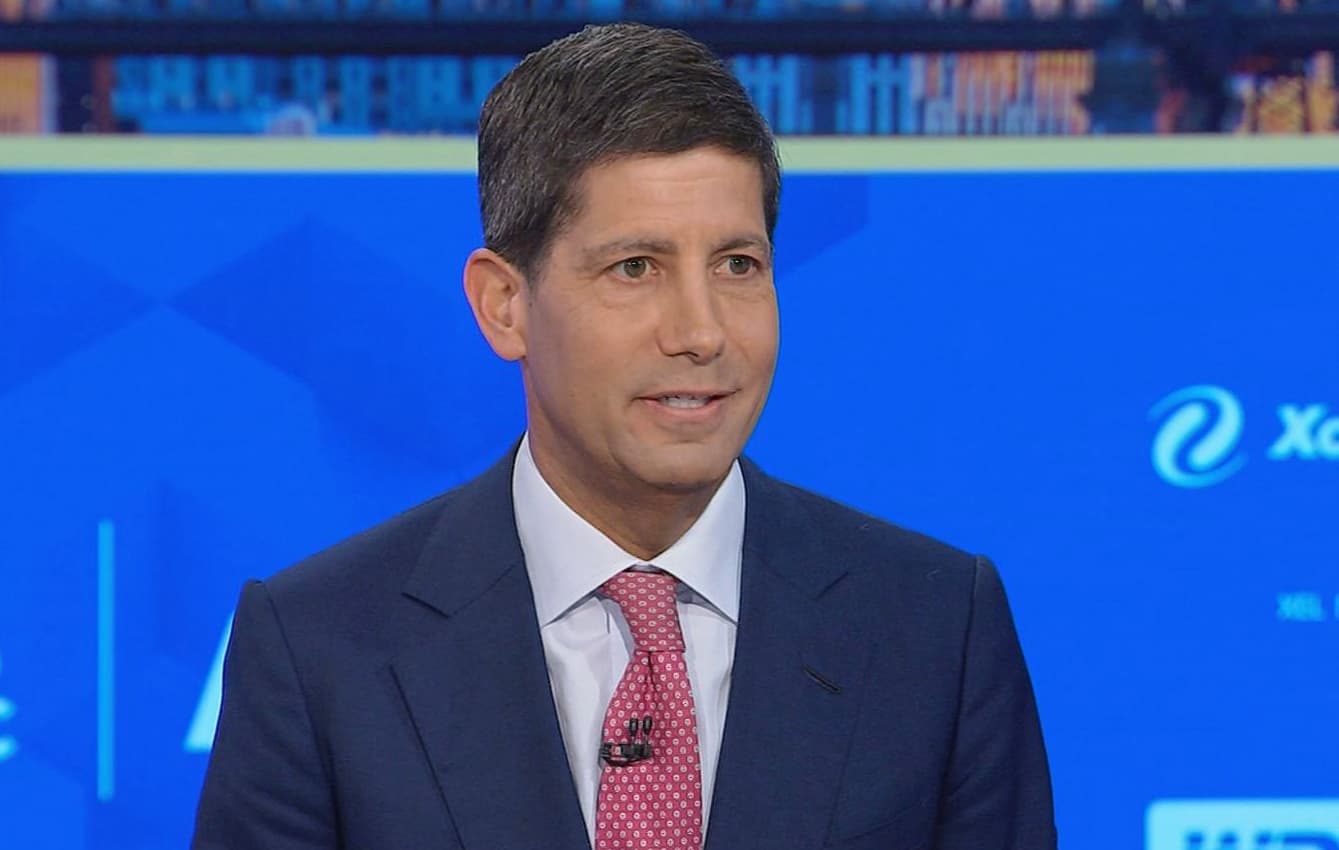
The landscape of American monetary policy underwent a seismic shift on Friday as President Donald Trump officially nominated Kevin Warsh to succeed Jerome Powell as the Chair of the Federal Reserve. This appointment concludes a high-stakes search process that has played out against a backdrop of unprecedented friction between the White House and the world’s most powerful central bank. By selecting Warsh, a former Fed governor with deep ties to both Wall Street and the academic corridors of economic policy, the administration is signaling a desire for a "regime change" that could fundamentally alter how the United States manages its currency, interest rates, and banking oversight.
The nomination marks the climax of a years-long campaign by the President to reshape the Federal Reserve in his own image. Since Jerome Powell’s initial appointment in 2018, the relationship between the executive branch and the central bank has been defined by public rebukes and escalating legal tensions. Trump’s selection of the 55-year-old Warsh is seen by many analysts as a strategic move to install a leader who is both a veteran of the institution and a vocal critic of its recent trajectory. In a social media announcement, the President lauded Warsh’s potential, suggesting he could become one of the greatest leaders in the history of the Fed, an endorsement that underscores the high expectations placed upon the nominee to align the central bank’s goals with the administration’s broader economic agenda.
Kevin Warsh is no stranger to the inner workings of the Eccles Building. Having served on the Board of Governors from 2006 to 2011, he was a key figure during the 2008 financial crisis, working closely with then-Chair Ben Bernanke to navigate the collapse of the housing market and the subsequent global recession. His experience during that era earned him a reputation as a pragmatist with a keen understanding of market liquidity. However, in recent years, Warsh has emerged as a prominent advocate for reform. During a high-profile interview last summer, he explicitly called for a "regime change" at the Fed, arguing that the institution suffered from a "credibility deficit" under its current leadership. This stance suggests that a Warsh-led Fed might move away from the consensus-driven, cautious approach of the Powell era in favor of a more assertive and perhaps more politically attuned strategy.

Financial markets reacted with a mixture of caution and calculated optimism following the news. While stock market futures initially dipped, the volatility remained contained, largely because Warsh is viewed as a known quantity by institutional investors. Unlike a complete outsider, Warsh possesses the technical pedigree required to maintain the confidence of global bond markets. David Bahnsen, Chief Investment Officer of The Bahnsen Group, noted that while Warsh is expected to follow the administration’s preference for lower interest rates in the short term, his long-term credibility remains intact. The primary concern for investors is not Warsh’s competence, but rather the degree to which the Federal Reserve’s independence—a cornerstone of the global financial system—might be compromised by the President’s desire for direct influence over rate decisions.
The timing of this nomination is particularly critical as the U.S. economy sits at a crossroads. While the post-pandemic inflationary surge has cooled significantly, the Federal Reserve’s preferred inflation metric remains above the 2% target. Simultaneously, the labor market has shown signs of softening, transitioning from the "Great Resignation" to what some economists describe as a "no-fire, no-hire" environment. The Fed is currently navigating a delicate "soft landing," attempting to lower rates enough to prevent a recession without reigniting price increases. Traders are currently pricing in a terminal rate of approximately 3%, which many policymakers view as the "neutral" level that neither stimulates nor restricts growth. Warsh will be tasked with managing this transition while facing intense pressure from the White House to accelerate the easing of monetary policy.
Beyond interest rates, the Warsh nomination signals a major pivot in banking regulation. The Federal Reserve serves as the primary supervisor for the nation’s largest financial institutions, and under the current administration, there has been a concerted effort to roll back the more stringent requirements of the post-2008 era. Vice Chair for Supervision Michelle Bowman has already begun advocating for lower capital requirements and a reduction in supervisory staff. Warsh is expected to support this deregulatory push, potentially scaling back the Fed’s involvement in "ancillary" issues such as climate-related financial risk assessments. This shift toward a more "laissez-faire" regulatory environment is welcomed by many on Wall Street but viewed with skepticism by consumer advocates who fear it could increase systemic risk in the long run.
The road to confirmation, however, is fraught with political obstacles. Republican Senator Thom Tillis of North Carolina has emerged as a primary roadblock, vowing to block all Federal Reserve nominees until a Department of Justice investigation into Jerome Powell is resolved. The DOJ recently subpoenaed Powell regarding cost overruns associated with the massive renovation of the Federal Reserve’s Washington, D.C. headquarters. Powell has characterized the investigation as a "pretext" designed to undermine the Fed’s autonomy and force the central bank into compliance with the President’s demands. This legal entanglement adds a layer of complexity to Warsh’s path to the Chairmanship, as it ties his confirmation to a broader battle over executive power and institutional integrity.

Despite these hurdles, the White House remains confident. National Economic Council Director Kevin Hassett, who was himself a finalist for the position, expressed total support for Warsh, emphasizing that the administration’s full resources are behind the nomination. The search process was reportedly exhaustive, involving a "derby" of eleven candidates, including high-profile figures like BlackRock’s Rick Rieder and current Fed Governor Christopher Waller. The selection of Warsh over more traditional "inflation hawks" or pure Wall Street practitioners suggests that Trump was looking for a candidate who could bridge the gap between technical expertise and a willingness to challenge the status quo.
The potential for an unprecedented "power struggle" within the Fed also looms. While it is customary for a departing Chair to resign from the Board of Governors entirely, Jerome Powell has two years remaining on his term as a Governor. There is growing speculation that Powell may choose to stay on the board even after being replaced as Chair, serving as a "bulwark" against efforts to politicize the institution. This would create a unique dynamic where the former Chair remains a voting member of the Federal Open Market Committee (FOMC), potentially leading a faction of governors who prioritize traditional independence. Furthermore, the Supreme Court is currently reviewing a case involving the removal of Governor Lisa Cook, a ruling that could define the legal limits of a president’s authority to fire central bank officials for policy disagreements.
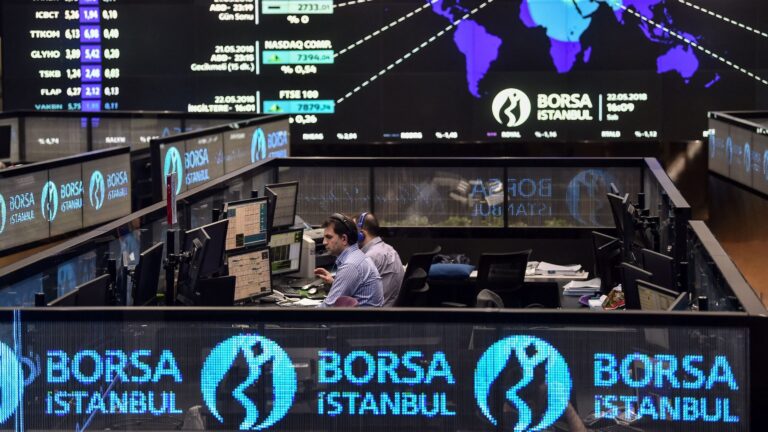
Globally, the nomination is being watched with intense scrutiny. As the issuer of the world’s primary reserve currency, the Federal Reserve’s actions dictate the flow of capital across borders. A move toward a more politicized Fed could weaken the "dollar hegemony" if international investors begin to doubt the long-term stability of U.S. monetary policy. Comparisons are already being drawn to other major economies where central bank independence has been tested, such as Turkey or Brazil, though the U.S. system remains far more robust.
If confirmed, Kevin Warsh will take the gavel in May, inheriting an economy that is growing but fragile. His leadership will be defined by his ability to balance the President’s demands for growth with the structural necessity of price stability. Whether he can achieve the "regime change" he called for without triggering a crisis of confidence in the U.S. financial system remains the defining question for the next chapter of the American economy. As the confirmation hearings approach, the debate will likely center not just on Warsh’s qualifications, but on the very nature of the Federal Reserve’s role in a democratic society.