

The landscape of global retail is undergoing a profound transformation, marked by an unprecedented boom in the second-hand market and the broader principles of the circular economy. What was once confined to niche enthusiasts and budget-conscious shoppers has now evolved into a mainstream phenomenon, reshaping consumer habits, business strategies, and investment priorities. This evolution, fueled by technological innovation, shifting consumer values, and a growing awareness of environmental impact, is creating significant new opportunities while simultaneously challenging traditional consumption paradigms. The global recommerce market, excluding vehicles, is currently valued at approximately $220 billion, with projections indicating an impressive growth of nearly 80 percent by 2028 across key markets like the United States, the United Kingdom, France, and Germany.
At its core, the resurgence of the resale market is driven by a confluence of economic and ethical considerations. In an era of heightened living costs, the appeal of obtaining goods at a more accessible price point is undeniable. However, this economic imperative is increasingly intertwined with a deeper cultural and generational shift. Younger demographics, particularly Millennials and Generation Z, are demonstrating a pronounced move away from the disposable nature of fast fashion and rapidly obsolescent electronics. Instead, they are gravitating towards pre-owned items that offer a means of self-expression, individuality, and a reflection of their ethical stances. Consequently, buying second-hand has transcended mere cost-saving to become a lifestyle statement, a conscious choice to engage with consumption in a more purposeful and less wasteful manner.
The environmental benefits of this trend are substantial and increasingly recognized. Each pre-owned purchase directly contributes to extending the lifespan of an existing product, thereby diminishing the demand for new manufacturing. This reduction in production inherently leads to lower carbon emissions, decreased resource depletion, and less waste generation. For consumers actively seeking to adopt a more sustainable lifestyle, the resale market offers a practical, accessible, and rewarding pathway to participate in a more responsible and environmentally conscious economy.
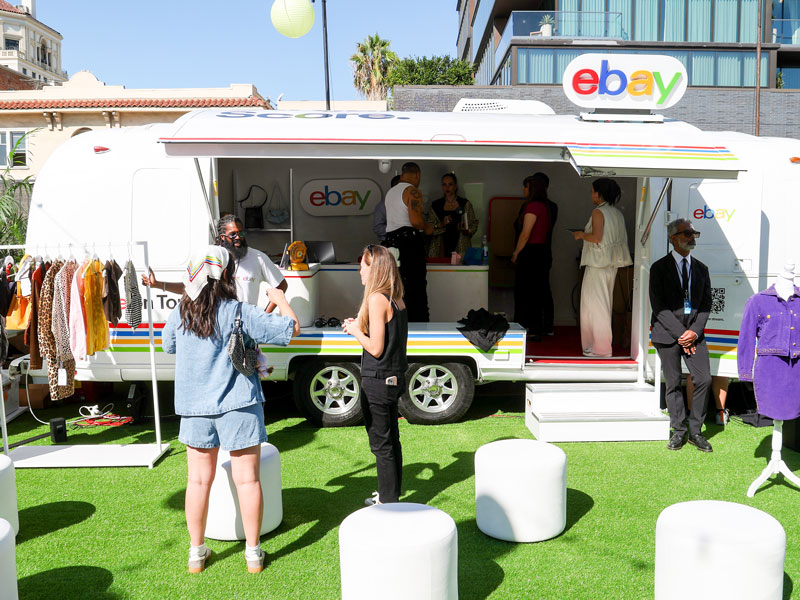
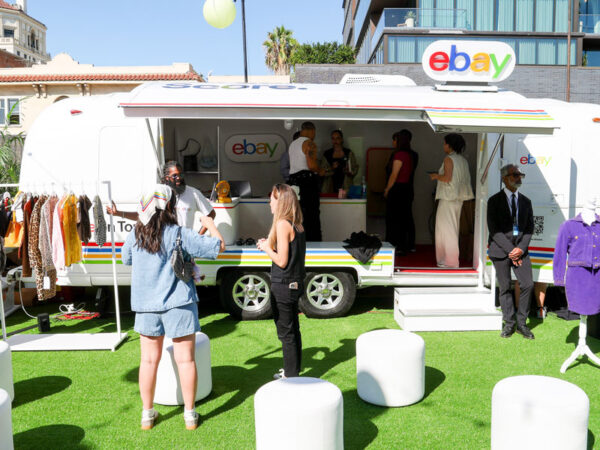
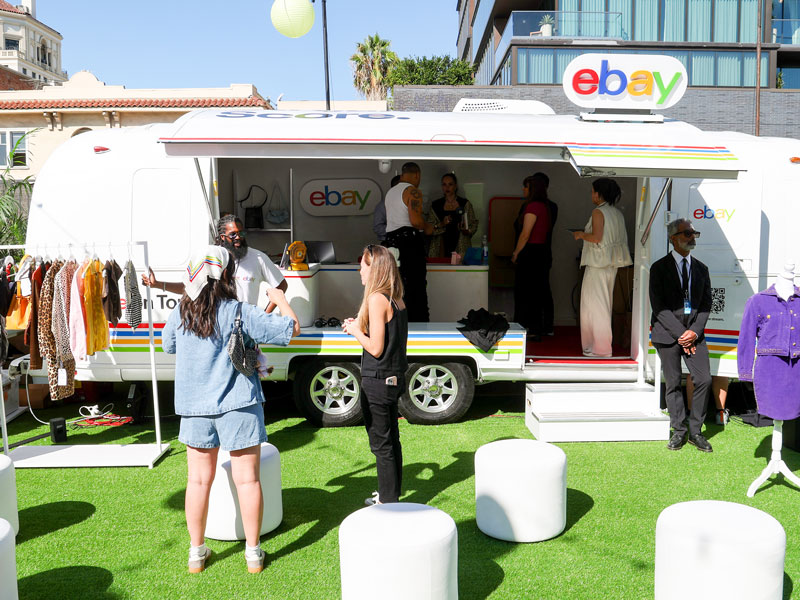
The professionalization of the resale sector has been a critical factor in its mainstream acceptance and rapid growth. Modern recommerce platforms are no longer rudimentary online listings; they are sophisticated, technology-enabled marketplaces that prioritize convenience, trust, and a seamless user experience. Platforms like Depop have revolutionized fashion resale by integrating social media-like discovery features with e-commerce functionalities, fostering a community-driven approach. Vestiaire Collective has established a strong reputation for its rigorous authentication processes, particularly within the luxury fashion segment, providing buyers with a high degree of confidence. Furthermore, established players such as Vinted, ThredUp, and eBay have significantly expanded their certified pre-owned programs, further cementing the credibility and mainstream appeal of the second-hand market.
Technology serves as the bedrock of this transformation, with artificial intelligence playing a pivotal role in enhancing the customer journey. AI algorithms are now employed to personalize recommendations, assist in price setting, and curate tailored shopping experiences, making it easier for consumers to find precisely what they are looking for. Advances in logistics have streamlined the buying and selling process, incorporating integrated systems for efficient shipping, returns management, and sophisticated reverse supply chain operations. To further bolster trust, many platforms are leveraging expert authentication teams or even employing blockchain technology to verify the provenance and authenticity of high-value items. These technological advancements have effectively mitigated the friction and apprehension that historically surrounded second-hand shopping, elevating the resale market to a level of professionalism comparable to traditional retail channels.
For the investment community, the burgeoning resale and circular economy represents a compelling market opportunity with significant long-term value potential. The sector’s appeal is amplified by its dual offering of substantial growth prospects and robust Environmental, Social, and Governance (ESG) credentials. Venture capital and private equity firms are increasingly channeling funds into businesses that focus on extending product lifecycles through refurbishment, repair, and resale models. These ventures not only generate attractive financial returns but also align with growing investor demand for sustainable and ethical business practices. The underlying investment thesis is straightforward: as global resources become more constrained and regulatory frameworks around waste and emissions tighten, circular business models are inherently positioned for sustained outperformance. The sector’s demonstrated resilience during economic downturns, driven by consistent consumer demand for value, adds an additional layer of stability, making resale and refurbishment an attractive combination of defensive and growth investment characteristics. Investment focus is now increasingly directed towards scalable, technology-driven platforms that can efficiently implement circularity across diverse industries, including fashion, electronics, and furniture. By supporting these enterprises, investors are not only capitalizing on market trends but also future-proofing their portfolios against evolving consumer expectations and increasing regulatory pressures. The circular economy is demonstrably proving that profitability and corporate responsibility can be mutually reinforcing, a proposition that the financial sector is embracing with growing enthusiasm.
Established retailers are also being compelled to re-evaluate their business models in light of the resale revolution, recognizing it as both a challenge and a significant opportunity. Traditional linear retail models, characterized by a cycle of selling, discarding, and repeating, are becoming increasingly misaligned with contemporary consumer expectations and corporate ESG commitments. In response, a growing number of brands are actively integrating resale and repair services directly into their operational frameworks. Patagonia’s Worn Wear program, IKEA’s buy-back initiatives, and the certified pre-owned collections from luxury houses like Gucci and Burberry are prominent examples of this shift towards more circular retail practices. These programs not only extend the useful life of products but also unlock new revenue streams. By managing resale activities within their own ecosystems, brands can maintain stringent quality control and capture residual value that might otherwise be lost to third-party marketplaces. This integrated approach also empowers retailers to demonstrate tangible progress towards their sustainability objectives, a key requirement for attracting both investors and environmentally conscious consumers.
Despite the sector’s remarkable growth, its ultimate success hinges on building and maintaining consumer trust. The persistent threat of counterfeit goods and misrepresentation, particularly in high-value categories like luxury fashion and electronics, remains a significant challenge. Consequently, platforms that are investing heavily in robust authentication and verification protocols are best positioned for long-term viability. The integration of AI-powered image analysis for spotting anomalies, the implementation of blockchain for transparent provenance tracking, and the deployment of specialized teams for meticulous product inspection and certification are rapidly becoming industry benchmarks. These measures not only safeguard consumers from fraudulent activities but also protect the brand integrity of retailers venturing into the pre-owned market.
The incorporation of insurance solutions further strengthens this framework, providing financial recourse against misrepresentation or product defects. Consumers increasingly expect assurance that their purchases, whether they are refurbished electronics, pre-owned luxury handbags, or vintage furniture, are protected. Insurers are responding by developing tailored products that address the specific risks inherent in the resale market, including counterfeiting, inaccurate descriptions, and functional failures. Companies like Bolttech, Cover Genius, and Embri are collaborating with marketplaces and retailers to offer embedded insurance options, facilitating easy access to coverage at the point of sale. Platforms such as Oyster are seamlessly integrating protection plans into their online checkout processes, ensuring that buyers receive reassurance without added complexity. By providing this crucial safety net, insurers are playing a vital role in legitimizing the resale sector, thereby encouraging consumers to engage in higher-value purchases with greater confidence. For marketplaces, offering embedded insurance has emerged as a key differentiator, fostering trust and enhancing customer loyalty. In the United Kingdom, Back Market, a prominent platform for refurbished mobile devices, offers coverage against damage. Katy Medlock, its General Manager, highlights the impact: "While the refurbished tech movement is growing in the UK, many people still consider pre-loved gadgets a risk. Our insurance is part of an ongoing commitment and we hope this will give more customers peace of mind that their refurbished device is covered and the confidence to swap something ‘new’ for something that’s ‘like new’."
The environmental imperative behind the resale movement is undeniable. Extending product lifecycles directly reduces the need for resource-intensive new manufacturing, conserving precious raw materials and significantly cutting greenhouse gas emissions. This impact is particularly pronounced in sectors with substantial environmental footprints, such as the fashion industry, which contributes approximately 10 percent of global emissions, and the electronics sector, characterized by intensive energy consumption and mineral extraction during production. The act of purchasing a refurbished smartphone or laptop, for instance, effectively bypasses the considerable carbon footprint associated with manufacturing a brand-new device – an advantage that deeply resonates with increasingly climate-conscious consumers.
However, achieving genuine sustainability within the resale sector is not an automatic outcome. The emergence of "fast resale," driven by rapid trend cycles and the influence of social media, can inadvertently encourage overconsumption rather than simply substituting new purchases. In such scenarios, the potential environmental benefits can be diluted. True sustainability in recommerce is contingent upon rigorous quality refurbishment processes and operational systems that genuinely prioritize reuse over replacement. The most conscientious players in the market are acutely aware of this challenge, actively investing in transparent supply chains and adopting low-carbon logistics solutions. Their ongoing endeavor is to ensure that the principles of the circular economy are upheld in practice, rather than simply manifesting as a new iteration of fast consumption with superficial green branding.
As the resale sector continues its trajectory towards becoming a major global industry, increased regulatory scrutiny is an inevitable development. Variations in warranty regulations and return policies across different international markets can introduce complexity, create confusion for consumers, and potentially impede cross-border trade. A move towards greater standardization in these areas would offer substantial benefits to both consumers and platforms, simplifying compliance procedures and fostering a more unified global marketplace. Another significant operational challenge lies in logistics. The management of returns, refurbishment, and restocking processes inherently adds cost and complexity to the business model. The development of efficient reverse supply chains, capable of collecting, processing, and redistributing products at scale, is therefore critical for maintaining profitability. The companies that will ultimately achieve market leadership in this space will be those that master operational efficiency alongside their prowess in consumer engagement.
The current trajectory of the resale market strongly suggests a sustained period of acceleration. A convergence of heightened consumer awareness and increasing technological sophistication is making second-hand goods not only a viable but a desirable choice. For marketplaces, the primary opportunity lies in achieving responsible scalability – a balance of convenience, credibility, and the integration of purpose with profit. For established retailers, the imperative is to embed circularity as a fundamental and structural component of their business operations. Those entities that successfully navigate these evolving dynamics will redefine the very concept of ownership, transforming products from transient commodities into enduring assets with multiple lifecycles. The future of consumption will likely be characterized not by incessant replacement, but by a continuous process of renewal and regeneration. The burgeoning success of the resale market unequivocally demonstrates that extending the lifespan of products is not only environmentally responsible but also economically advantageous.
With global clothing resale sales reaching an estimated $197 billion in the past year and projected to soar to $350 billion by 2028, alongside multi-billion-dollar valuations for refurbished technology platforms, the quantitative evidence is compelling. Beyond the impressive financial figures lies a more profound paradigm shift: a fundamental reimagining of the consumer economy that places a premium on longevity over disposability and prioritizes purpose alongside profit. Companies that recognize and adeptly respond to this transformative wave will undoubtedly shape the future landscape of retail.