


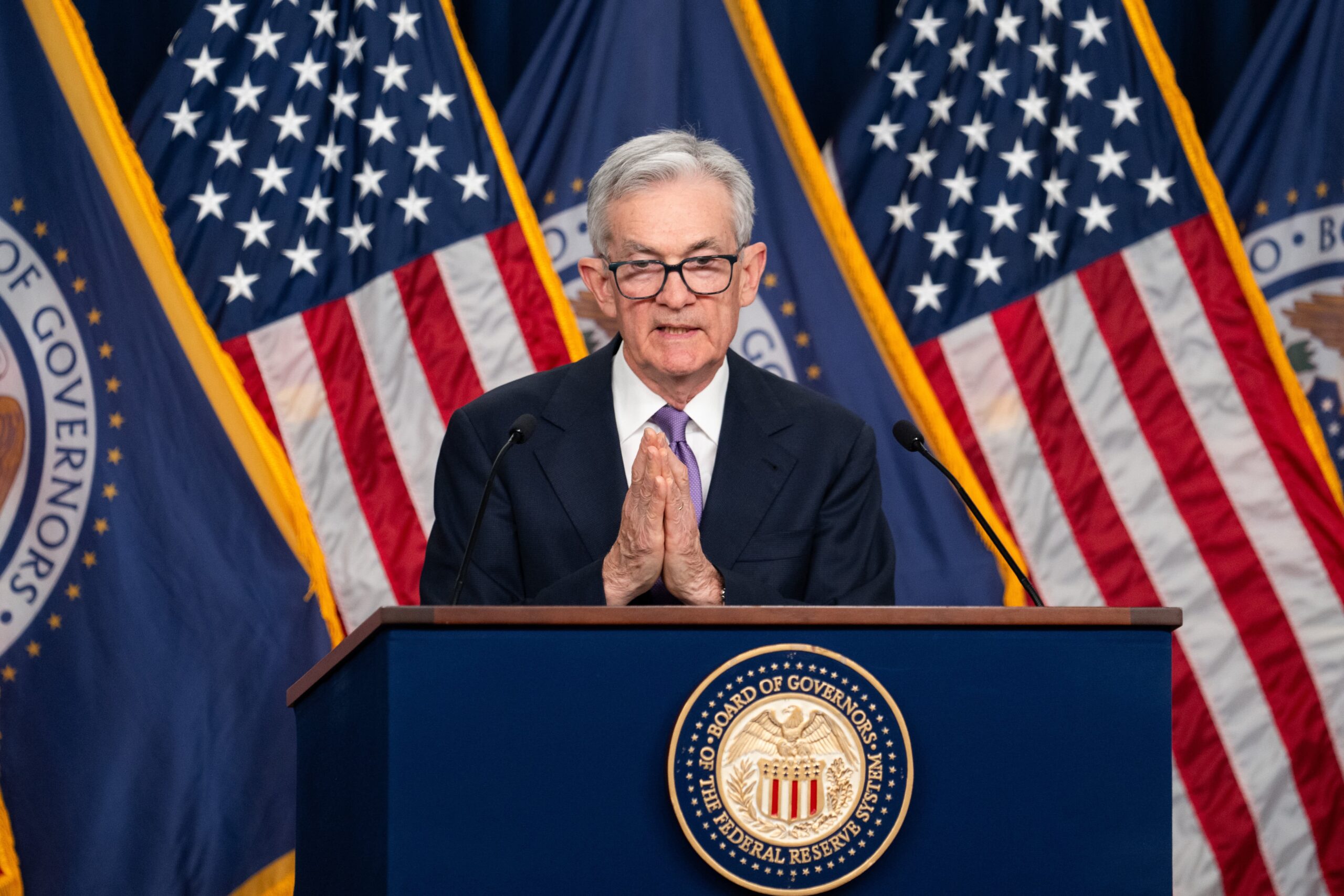
The landscape of American monetary policy underwent a foundational shift this week as the Federal Open Market Committee (FOMC) adjusted its formal communications to reflect a maturing economic cycle. In a move that signaled the end of the most aggressive interest rate hiking campaign in four decades, the Federal Reserve’s latest policy statement discarded long-standing language regarding potential "policy firming" and replaced it with a more nuanced, data-dependent framework. This transition marks a critical inflection point for global markets, moving the conversation from how high rates must climb to the more complex question of when, and by how much, they should eventually fall.
For nearly two years, the Federal Reserve has operated under a "tightening bias," a posture designed to convince markets that it would do whatever was necessary to break the back of persistent inflation. However, the updated statement indicates that the risks to achieving the Fed’s dual mandate of maximum employment and price stability are moving into better balance. By stripping away the suggestion that further rate increases are the default next step, the FOMC has effectively declared that the peak of the current interest rate cycle has been reached. This shift is not merely semantic; it represents a psychological recalibration for an economy that has spent the last 24 months bracing for the impact of higher borrowing costs.
The most significant alteration in the Fed’s messaging is the removal of the phrase "additional policy firming," which had been a staple of the FOMC’s communications throughout 2023. In its place, the committee introduced a conditional requirement for future cuts: a need for "greater confidence" that inflation is moving sustainably toward the 2% target. This change suggests that while the central bank is no longer looking to raise rates, it is in no hurry to lower them either. Chair Jerome Powell and his colleagues are navigating a narrow corridor, attempting to avoid the "stop-go" policy errors of the 1970s, where premature easing allowed inflation to become entrenched in the American psyche.
The backdrop for this policy evolution is an economy that continues to defy the gravity of high interest rates. Throughout 2023, many economists predicted a recession as the inevitable consequence of the Fed’s rapid-fire rate hikes. Instead, the U.S. economy grew at a robust 3.3% annualized rate in the fourth quarter, driven by resilient consumer spending and a labor market that remains historically tight. With the unemployment rate hovering near 50-year lows, the Fed finds itself in a rare position of strength. It can afford to be patient, waiting for more data to confirm that the recent decline in inflation is structural rather than transitory.
Inflation data has indeed been encouraging. The Personal Consumption Expenditures (PCE) price index, the Fed’s preferred gauge of inflation, has shown significant cooling. Core PCE, which strips out volatile food and energy costs, has trended toward the 2% target on a six-month annualized basis. However, the FOMC remains wary of the "last mile" of the inflation fight. Service-sector inflation, which is closely tied to wage growth, remains stickier than goods inflation. The committee’s revised statement reflects this caution, noting that while inflation has eased over the past year, it remains elevated.
The decision to maintain the federal funds rate in the 5.25% to 5.5% range was widely expected, but the market’s reaction to the statement’s nuances was immediate. Treasury yields fluctuated as investors recalibrated their expectations for the timing of the first rate cut. Earlier in the year, futures markets had priced in a high probability of a cut as early as March. However, the Fed’s new emphasis on the need for "greater confidence" has pushed those expectations further into the second quarter. This tension between market optimism and central bank caution is a defining characteristic of the current economic environment.
Beyond the headline interest rate, the Federal Reserve is also managing its massive balance sheet. The process of quantitative tightening (QT)—reducing the Fed’s holdings of Treasuries and mortgage-backed securities—continues in the background. While the statement did not announce changes to the pace of QT, the committee signaled that discussions regarding the eventual slowing of these reductions are beginning. This is a critical technical component of monetary policy, as the drain of liquidity from the financial system can have unpredictable effects on bank reserves and overnight lending markets.
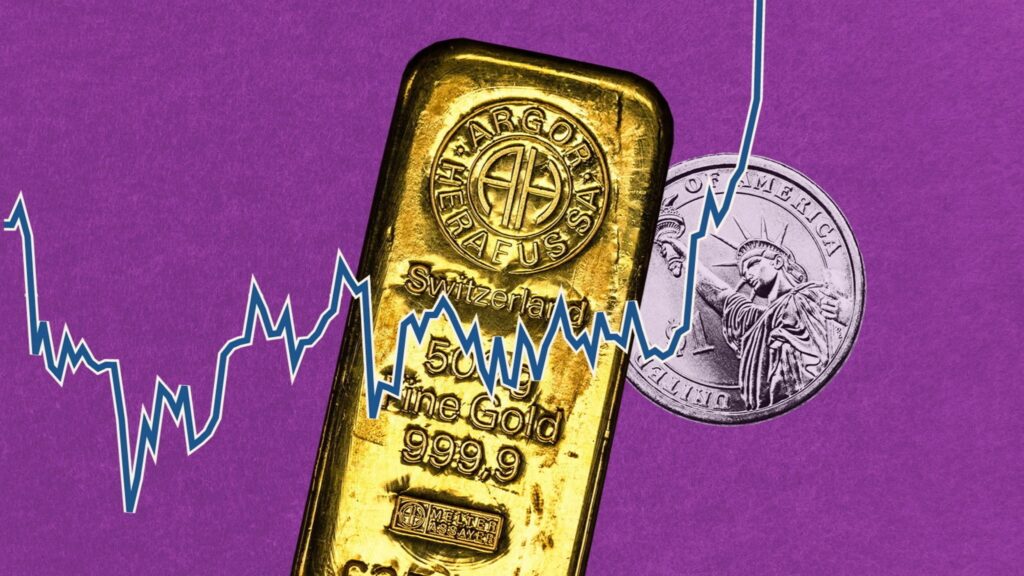
From a global perspective, the Federal Reserve’s pivot is being watched with intense scrutiny. As the world’s reserve currency, the U.S. dollar and the interest rates set in Washington dictate the flow of capital across the planet. A shift toward a more neutral stance by the Fed provides some breathing room for other central banks, such as the European Central Bank (ECB) and the Bank of England, which are facing their own battles with stagnant growth and stubborn price pressures. Conversely, the continued strength of the U.S. economy and the Fed’s "higher for longer" stance on rates have kept the dollar strong, complicating the inflation-fighting efforts of emerging markets that must pay for imports in greenbacks.
The labor market remains the Fed’s most significant buffer. Recent data shows that while the pace of hiring has moderated from the frenetic levels of 2022, job openings still outnumber unemployed workers by a significant margin. This "soft landing" scenario—where inflation returns to target without a significant spike in unemployment—is now the base case for many analysts. However, the Fed is acutely aware of the risks on both sides. If they wait too long to cut rates, they risk a "hard landing" as the cumulative effects of high borrowing costs finally overwhelm businesses and consumers. If they cut too soon, they risk a resurgence of inflation that would require even more painful measures to correct.
Expert analysis suggests that the Fed is looking for a specific sequence of data points before it pulls the trigger on a rate reduction. This likely includes several more months of core inflation readings below 0.2% month-over-month, evidence that wage growth is moderating toward 3.5%, and perhaps some cooling in the housing market, where high mortgage rates have kept supply low and prices high. The January statement’s emphasis on "the incoming data, the evolving outlook, and the balance of risks" is a clear signal that the Fed is moving away from forward guidance and back toward a meeting-by-meeting assessment.
Geopolitical risks also loom large in the Fed’s calculus. Ongoing tensions in the Middle East and their impact on global shipping routes through the Red Sea have raised concerns about a potential spike in energy and freight costs. Any significant supply-chain disruption could reignite goods inflation, complicating the Fed’s path toward 2%. Furthermore, 2024 is a major election year in the United States. While the Federal Reserve is an independent institution that prides itself on being apolitical, its decisions inevitably ripple through the political landscape. The timing of rate cuts will be scrutinized for any perceived political influence, adding another layer of complexity to the committee’s deliberations.
In summary, the Federal Reserve’s updated policy statement represents a sophisticated pivot toward a neutral stance. By removing the tightening bias and introducing a high bar for rate cuts, the FOMC has signaled that it is entering a period of watchful waiting. The U.S. economy has shown remarkable resilience, allowing the central bank to prioritize the final victory over inflation without the immediate pressure of a collapsing labor market. As the Fed moves into this next phase, the focus shifts from the height of the mountain to the safety of the descent. The "greater confidence" required by the Fed will be the primary metric for investors and policymakers alike in the months to come, as the world watches to see if the most anticipated soft landing in economic history can actually be achieved.